Morocco 115000 Seat Stadium Challenges Spain 2030 World Cup Final
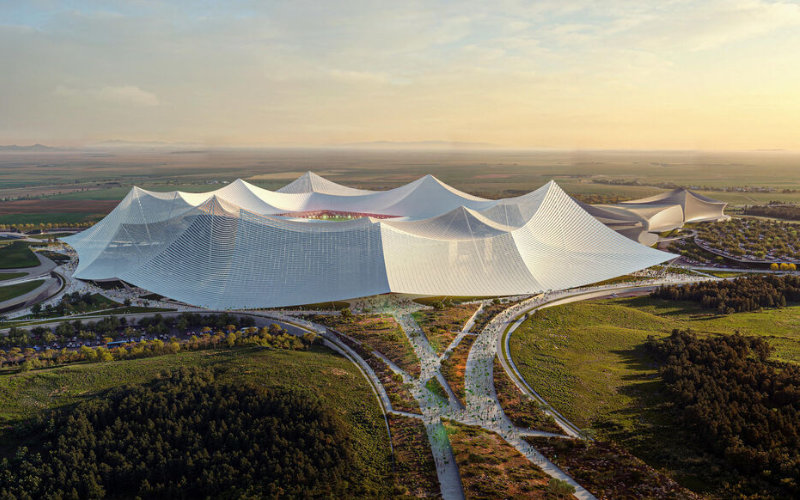
For the 2030 football World Cup, Morocco aims to make an impact with the Grand Hassan II Stadium. This monumental arena with 115,000 seats directly challenges Spain to host the highly coveted final of the competition.
Keen to project an image of modernity, in line with its Mohammed VI tower or its participation in NASA’s Artemis space program, Morocco has set itself a colossal challenge. Co-organizer of the World Cup with Spain and Portugal, the country is directly competing with Madrid and Barcelona to host the closing match.
On Bladi.net : 2030 World Cup: Morocco’s "pharaonic" project that is shaking Spain
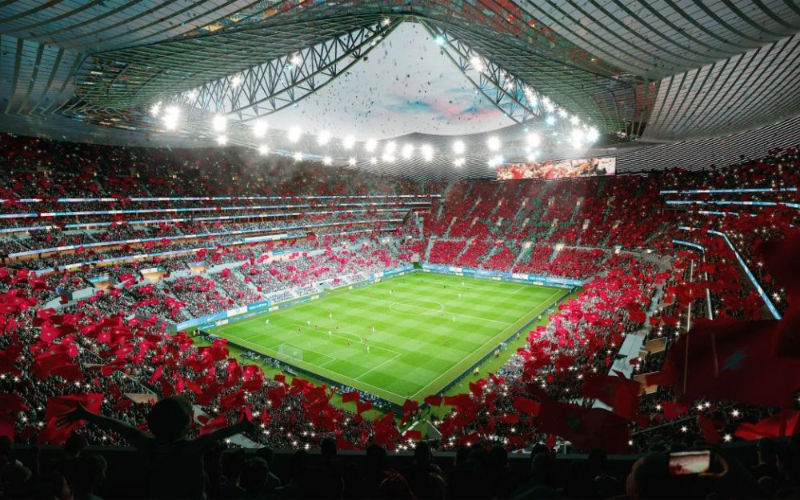
While the Santiago Bernabéu and Camp Nou display 81,000 and 105,000 seats respectively, the future Moroccan temple will dwarf these standards. With a record capacity of 115,000 spectators, it will become by 2028 the new home of the national team, semi-finalists in Qatar and current African champions.
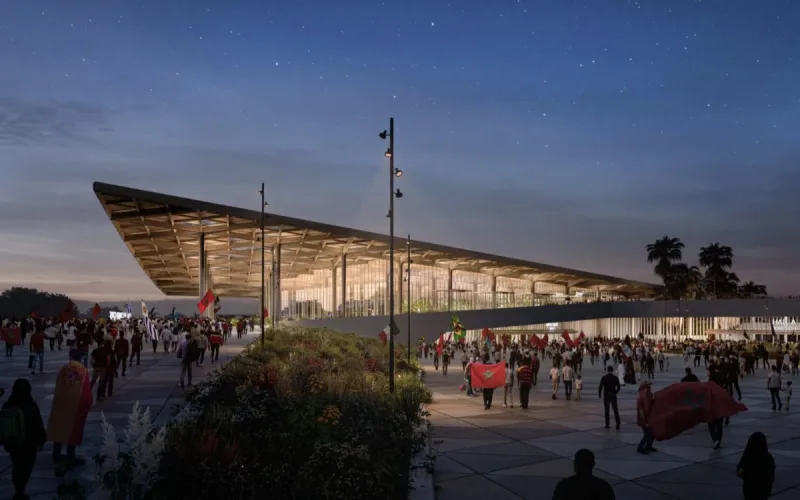
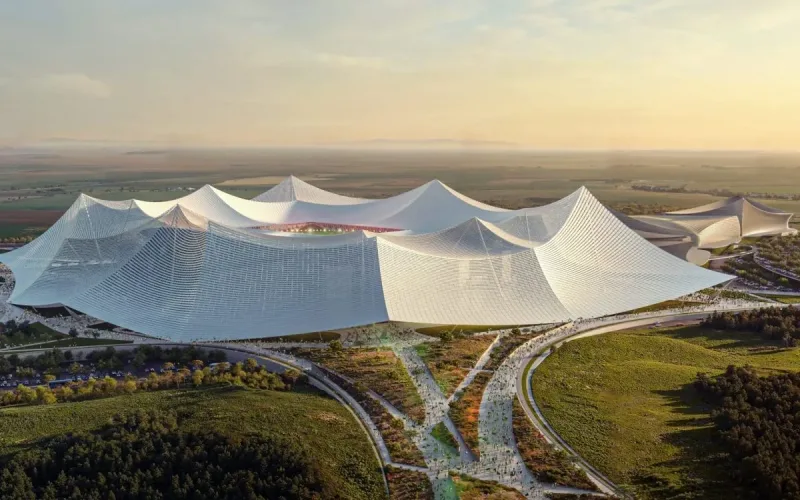
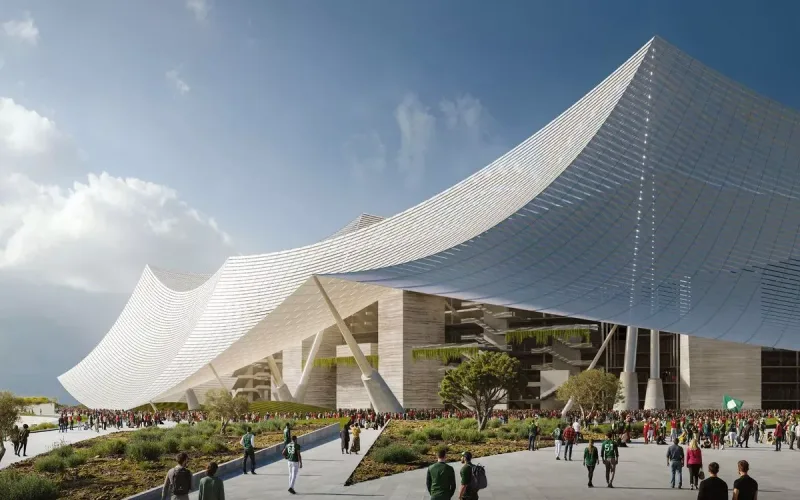
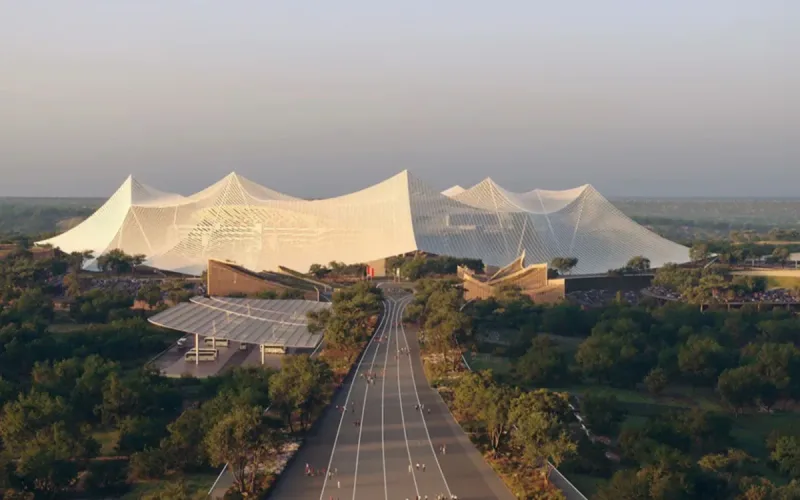
The building will rise 38 kilometers north of Casablanca, in the heart of the natural site of El Mansouria, within a sprawling complex of 100,000 hectares. Entrusted to French architect François Clement of the Populous firm, the design is inspired by the "moussem," a traditional large social gathering. The infrastructure will take the form of a gigantic tent pitched in a wooded landscape, protected by a distinctive aluminum lattice roof.
Thirty-two staircases will support the entire structure, providing access to suspended gardens perched 28 meters high. The interior will guarantee optimal comfort with five levels reserved for VIP experiences for 12,000 privileged guests, while the end stands will ensure a vibrant atmosphere with 29,500 seats each.
On Bladi.net : 2030 World Cup: Morocco challenges Spain for the final with its 115,000-seat stadium
This pharaonic project, financed by public funds and approved in 2023, makes no secret of its ambitions. The designers explicitly imagined it to "host the final of the 2030 World Cup." Morocco refuses to concede to its Iberian neighbor the status of sole primary organizer. Determined to assert itself on the football stage, the Kingdom hopes to win the tournament by relying on its stars like Achraf Hakimi and Brahim Díaz, while offering the world an architectural setting without equal.