Moroccan watermelon accused of driving prices down to 24 cents in Spain
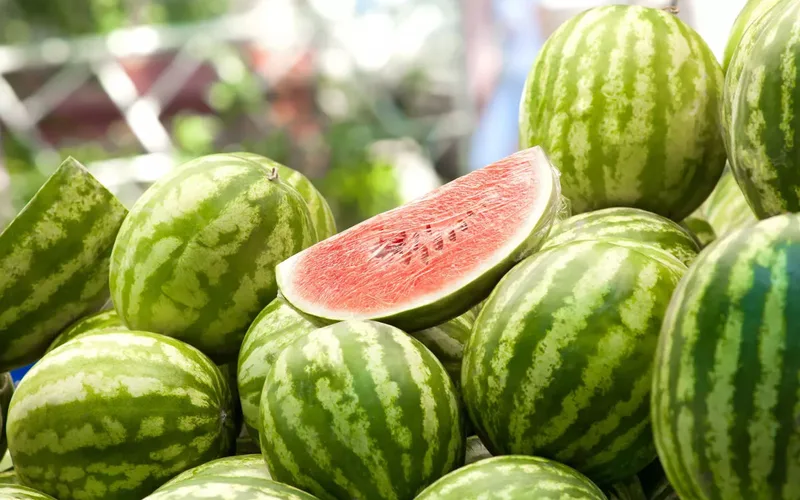
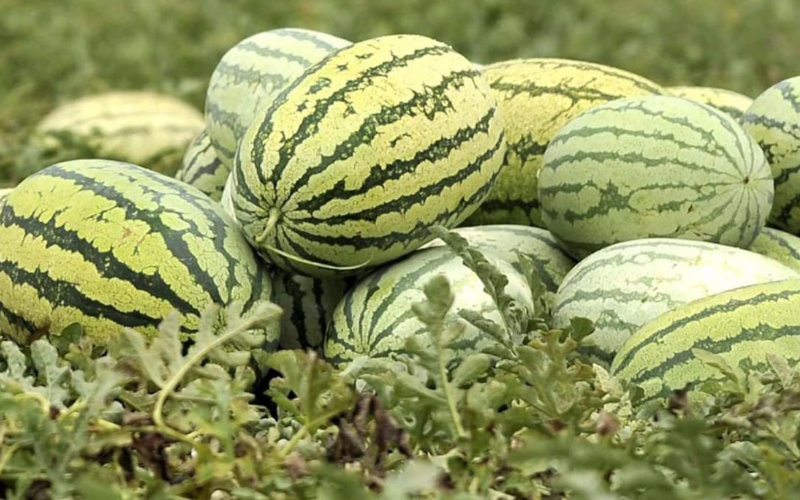
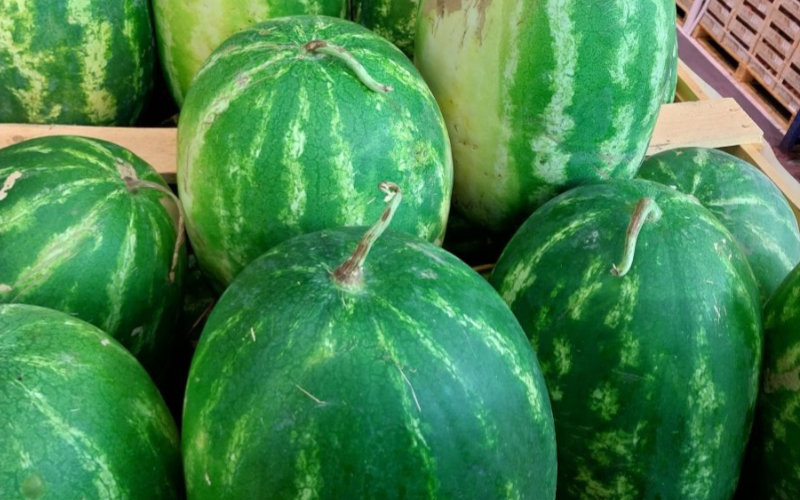
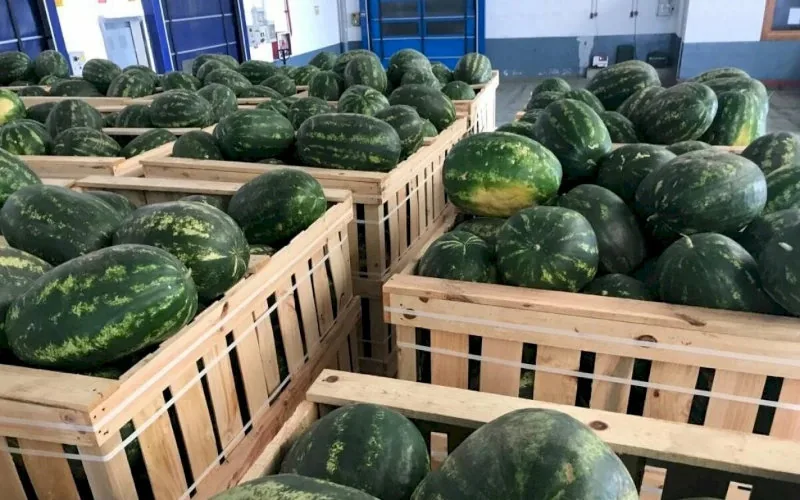
Moroccan watermelon is once again in the crosshairs of Spanish farmers. Imports from Morocco increased by 14% in the first half of the year and are accused of having contributed to driving prices down in Spain to just 24 cents per kilo.
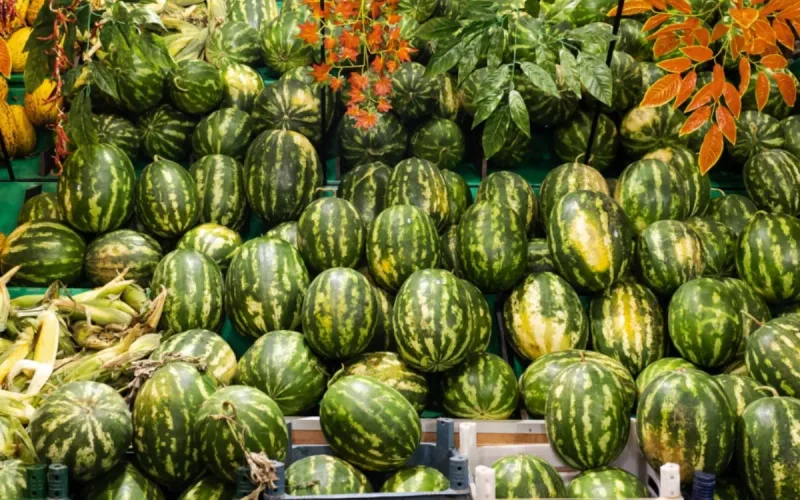
Between January and June 2026, the European Union purchased 351,672 tonnes of watermelons from countries outside the EU, an increase of 15% in one year, according to Eurostat data cited by Spain’s Ministry of Agriculture and published by EFE Agro.
Morocco remains by far the European Union’s leading external supplier. It shipped 148,950 tonnes of watermelons during the first six months of the year, 14% more than during the same period in 2025.
This increase comes as Moroccan watermelon was recently overtaken by Almería on the European market. Data for the first five months of the year showed that the Spanish province had managed to sell more watermelons in the European Union than Morocco as a whole.
On Bladi.net : Morocco watermelons shake Spanish producers market competition
For Spanish producers, the problem lies mainly in the arrival of large volumes at a time when their own season is in full swing. Andrés Góngora, secretary general of the Coordinadora de Organizaciones de Agricultores y Ganaderos (COAG), believes that imports have contributed to saturating the market.
The agricultural official is targeting Morocco in particular, although he acknowledges that Moroccan watermelons are not exactly the same as those produced in Almería, with imported fruit generally being larger and containing more seeds.
The anger of Spanish producers is not new. Some were already denouncing the pressure exerted by Moroccan watermelons and avocados on their markets in the spring. In a particularly dramatic previous episode, a Spanish farmer even claimed to have lost 30,000 euros and said he had preferred to give away a large part of his harvest after prices collapsed.
Prices fall to 24 cents per kilo
The Spanish Ministry of Agriculture’s latest price quotations illustrate this pressure. Between August 17 and 23, watermelons were trading at an average of just 24.1 euros per 100 kilos, or approximately 24 euro cents per kilo before transport, distribution and commercial margins.
Morocco is not, however, the only country to have increased its sales. Brazilian watermelon exports to the European Union rose by 39.4% in the first half of the year, while those from Senegal increased by 24.9%. The overall rise in imports is therefore also contributing to the abundance of supply.
The situation contrasts sharply with that of melons. European imports from third countries fell by 11.2%, to 173,770 tonnes. Moroccan sales, for their part, collapsed by 41.3%, to just 24,587 tonnes.
This pressure on prices has already had consequences for exporters. Moroccan operators had notably suspended certain shipments in response to the drop in prices on European markets.
On Bladi.net : Spanish Farmers Shift Crops as Moroccan Watermelon Imports Surge
For Spanish agricultural organizations, the main problem remains the overlap between production calendars. They regularly call for greater controls on imports, better identification of product origin and the application of production conditions comparable to those imposed on European farmers.