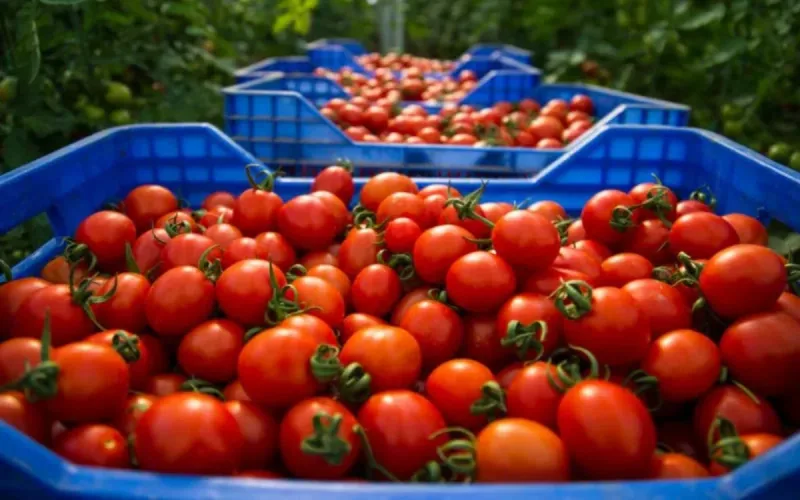
Watermelons, avocados: Morocco shakes up Spanish producers, and not everyone is happy about it
Spaniards’ enthusiasm for fruit is massively benefiting foreign suppliers. Morocco is now establishing itself as an unavoidable player in this market, dominating exports of watermelons and avocados, much to the dismay of Iberian farmers.
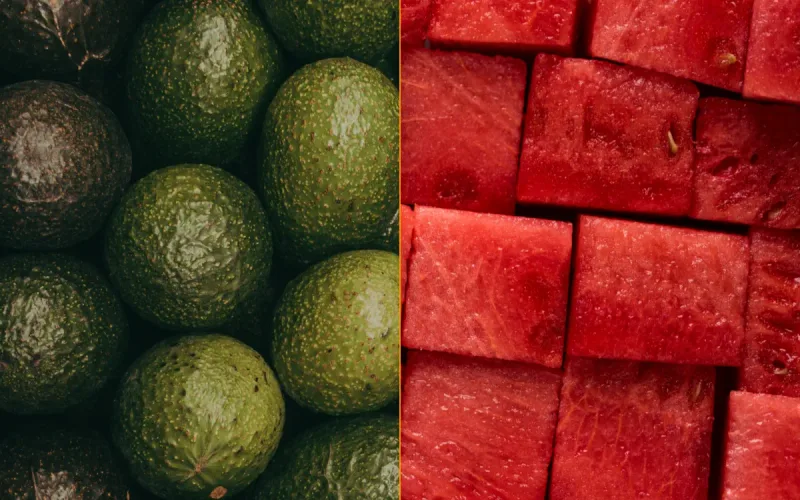
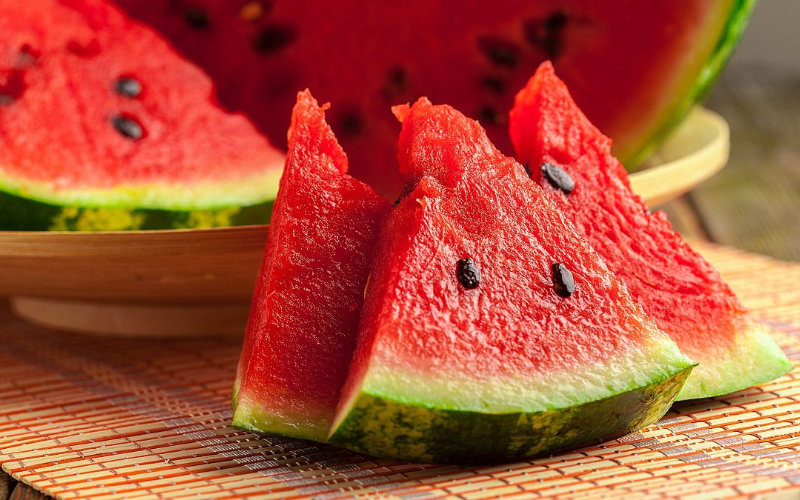
Fresh fruit consumption is gaining ground in Spain, and watermelon is among the great favorites with a 21.3% increase in sales in 2025. Faced with this appetite, Morocco is asserting itself as the supplier par excellence. According to data relayed by the media El Debate, Morocco shipped more than 49,534 tons of watermelons to the peninsula last year. This impressive volume represents a surge of 72.56% in Moroccan shipments for this fruit alone, far outpacing its direct competitor, Senegal.
On Bladi.net : Avocado: a formidable competitor for Morocco
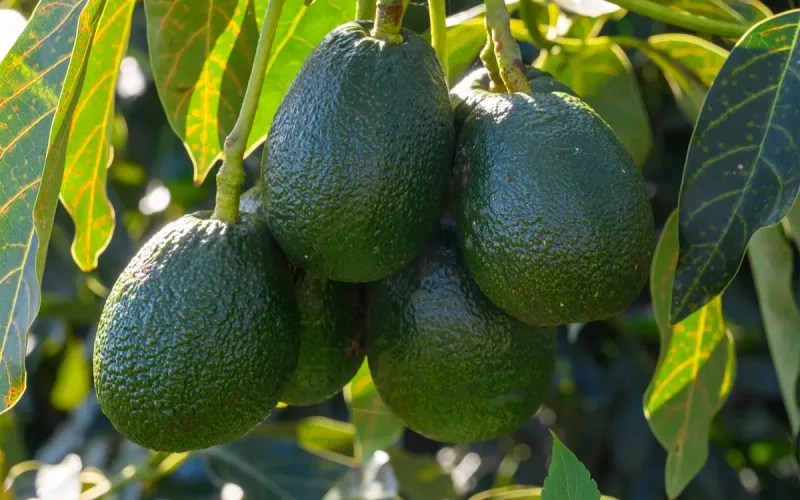
This Moroccan breakthrough is also observed on the avocado market, another commodity increasingly popular in supermarkets with sales up 13.5%. Of the nearly 308,000 tons imported globally by Spain in 2025, the Kingdom sold 39,159 tons of its production. It thus comfortably establishes itself among the main international suppliers, alongside nations such as Peru and Chile.
This external dependence is part of a very favorable consumption dynamic, with the ALDI Observatory indicating that Iberian households buy fruit an average of 83 times per year, at a rate of 2.4 kilos per visit. Yet this staple of the Mediterranean diet is increasingly benefiting less from local harvests. In total, the combined imports of watermelons, avocados and grapes exceeded the 518,000-ton mark in 2025, registering overall growth of more than 19% in the space of one year.
On Bladi.net : Spain Accuses Moroccan Citrus of Strangling Its Producers
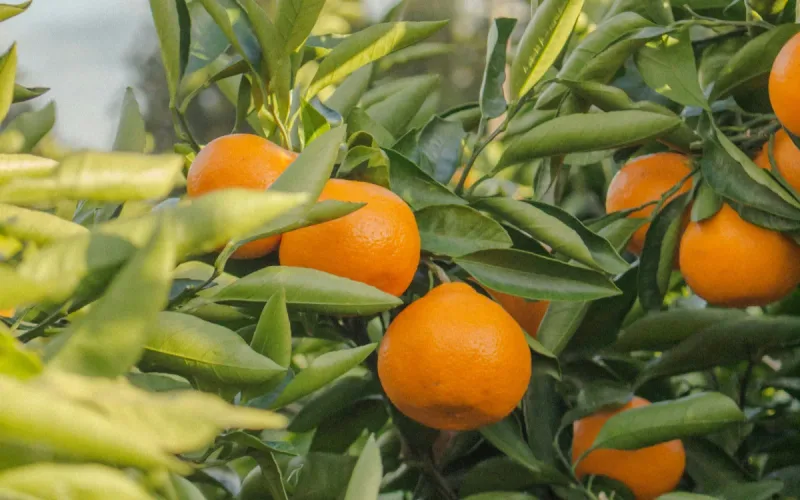
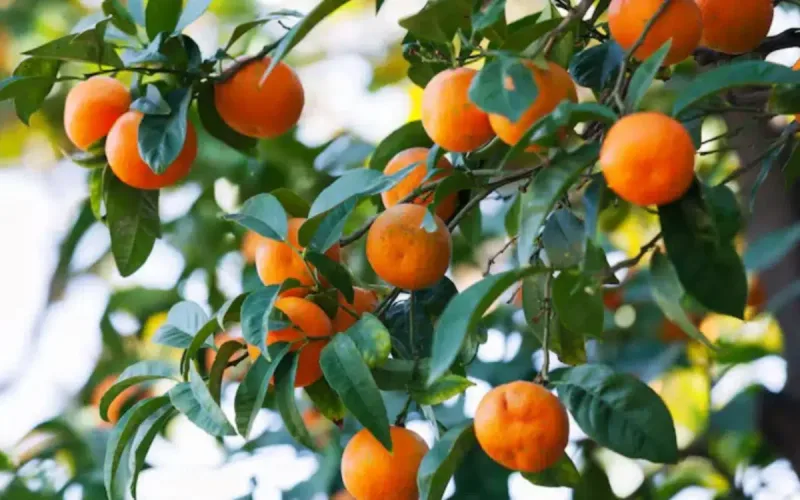
This massive arrival of foreign goods is deeply disturbing the Spanish agricultural sector, which openly denounces "unfair competition." Producers point the finger at advantages linked to low labor costs and the application of more lenient phytosanitary standards among their competitors. They notably accuse Morocco of relying on trade agreements to saturate the market at key moments, threatening the viability of their own crops in the face of prices impossible to compete with.