Moroccan Truck Drivers Still Face Hurdles to Working in Europe, ILO Finds
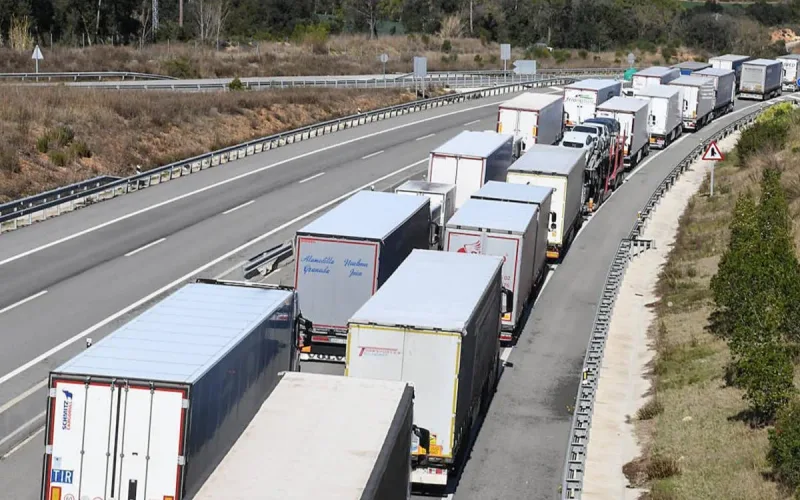
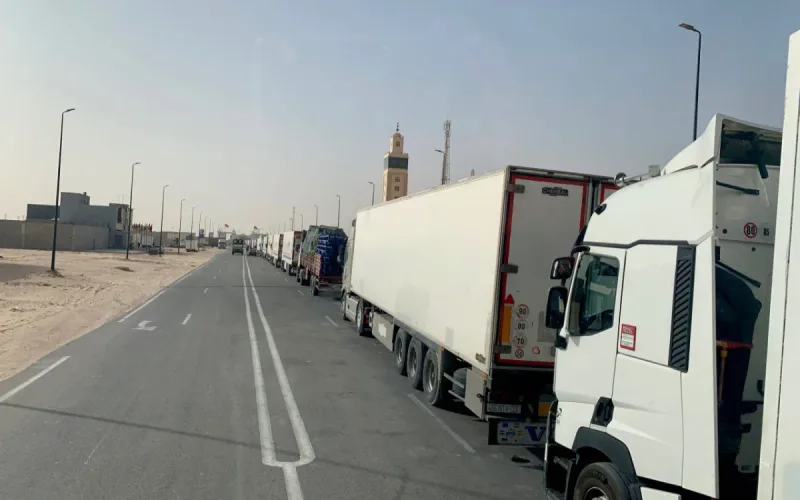
Moroccan truck drivers are of interest to European companies facing a shortage of drivers. But recognition of their professional qualifications remains an obstacle. An assessment by the International Labour Organization (ILO) highlights the difficulties they face and the steps being taken to make it easier to recruit them.
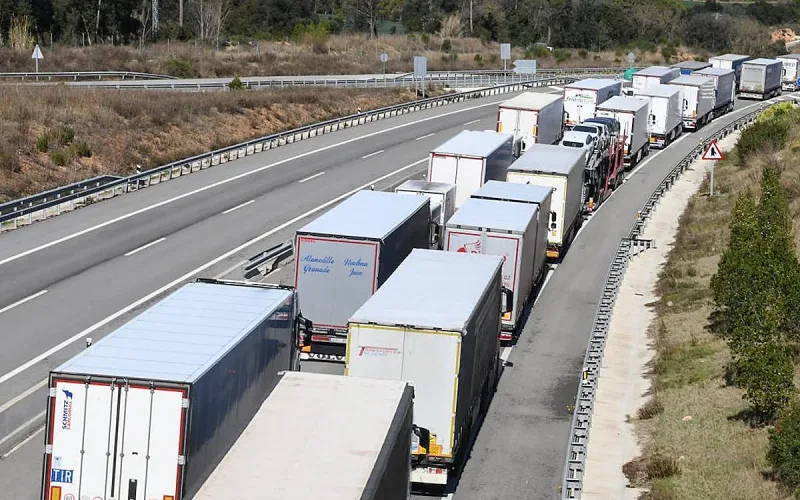
Having a Moroccan heavy goods vehicle licence and professional experience is not always enough to work in European road transport. Drivers must meet training and certification requirements that vary from country to country. In its assessment of the THAMM Plus programme, completed on 8 October 2026, the ILO highlights the persistent difficulties in getting skills acquired in Morocco recognized.
On Bladi.net : Shortage of trucks in Spain: Morocco to the rescue of the peninsula’s economy
The report identifies several obstacles: differences between Moroccan and European qualifications, professional certification requirements, and conditions imposed on training institutions. These difficulties complicate recruitment plans, as several European countries seek to attract foreign drivers.
In Morocco, work has begun with the Office of Vocational Training and Employment Promotion (OFPPT), the Institute for Training in Transport and Logistics (IFTL), and the International Road Transport Union (IRU). The aim is to bring Moroccan training closer to the standards applied in Europe.
Training tailored to European requirements
Among the initiatives are the accreditation of training centres and the certification of instructors specializing in the transport of dangerous goods, which is governed by ADR regulations. The partners are also working to compare the qualifications required of professional drivers on both sides of the Mediterranean.
The ILO considers progress in improving training capacity encouraging. However, effective recognition of qualifications is moving more slowly. It depends in particular on regulatory procedures and agreements between the institutions concerned.
Morocco is nevertheless among the countries that have made the most progress under the THAMM Plus programme in organizing exchanges between employers, training organizations and public authorities. Two forums devoted to transport and tourism helped identify avenues for cooperation. But at the time of the assessment, no training course or professional qualification had yet been formally adapted to European requirements.