93 million quintals of cereals in 2026, 50 million in 2027: the calculation that brings Moroccan growth below 3%
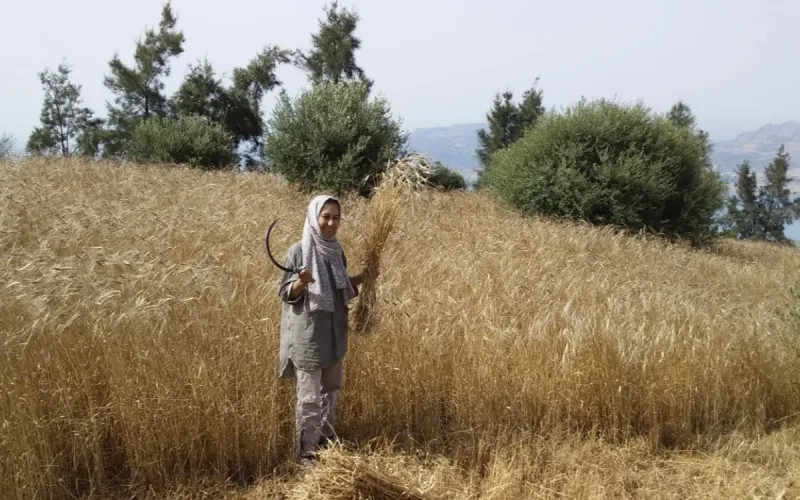
Morocco is expected to harvest 93 million quintals of cereals this year. For 2027, Bank Al-Maghrib is basing its forecasts on a return to 50 million quintals. Under this assumption, economic growth would slow from 4.4% to 2.9%, despite an expected recovery in non-agricultural activities.
The gap is considerable: 43 million quintals separate the harvest estimated for 2026 from the level retained by the central bank for 2027. This would represent an approximately 46% year-on-year decline in cereal volumes.
But the 50 million quintals do not signal a poor agricultural season. It is an average-production assumption used by Bank Al-Maghrib to establish its economic projections before the conditions of the next agricultural season are known. The figures appear in the new forecasts released after its Council meeting on September 22.
On Bladi.net : After Seven Years of Drought, Morocco Achieves Record Cereal Harvest of 90 Million Quintals
The 2026 harvest is providing strong support to the economy. Bank Al-Maghrib expects agricultural value added to increase by 16% this year. In the spring, an initial estimate still put cereal production at around 90 million quintals, compared with 44 million during the previous season. The estimate now being retained stands at 93 million.
Agriculture would decline by 7.6% in 2027
With the harvest brought back to an average level, agricultural value added would decrease by 7.6% next year. The comparison effect is powerful: after the rebound in 2026, producing 50 million quintals would cause agricultural activity to decline, even without returning to the low harvests recorded during drought years.
Overall economic growth would thus go from 4.9% in 2025 to 4.4% in 2026, then to 2.9% in 2027, according to Bank Al-Maghrib. The agricultural downturn would weigh on the 2027 result, but it does not on its own explain the revision of the forecasts.
In June, the central bank was still forecasting growth of 5.2% this year and 3.1% next year. It now expects a sharper slowdown in non-agricultural activities in 2026: their growth would be 3.1%, after 4.5% in 2025, due in particular to less favorable performances in the extractive and manufacturing industries.
On Bladi.net : Remittances from Moroccans Living Abroad (MRE): A Historic Windfall of 13 Billion Euros Expected
These activities should return to a growth rate of 4% in 2027. However, under the current scenario, this improvement would not be enough to prevent national growth from falling below 3%.
The next cereal season therefore remains a decisive factor. Bank Al-Maghrib has assumed an average harvest of 50 million quintals for its calculations; rainfall and sowing will determine whether the Moroccan economy actually follows this trajectory in 2027.