After Seven Years of Drought, Morocco Achieves Record Cereal Harvest of 90 Million Quintals
Morocco is expecting a harvest of 90 million quintals of cereals for the 2025-2026 season. This production, driven by intense winter precipitation, marks the end of seven consecutive years of drought in the kingdom.
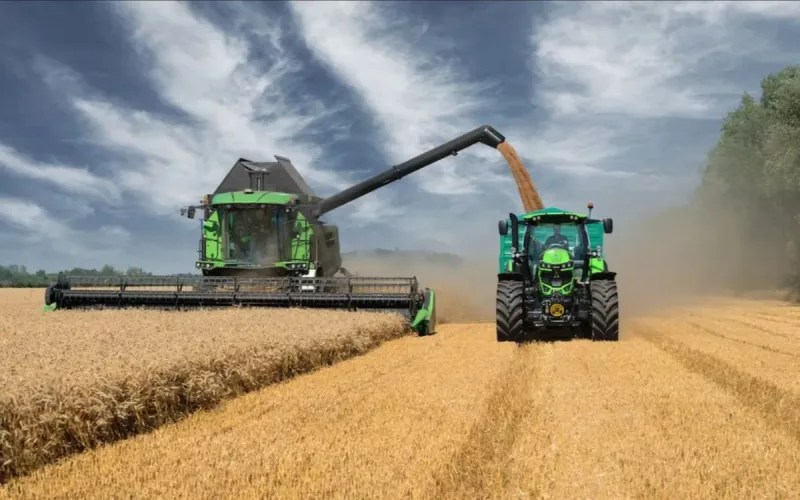
The country’s cereal production is set to double compared to last season. On the sidelines of the International Agricultural Fair in Meknes, Minister Ahmed El Bouari confirmed that "cereal production should thus reach nearly 90 million quintals," compared to 44 million in the previous campaign. Summer and autumn crops of wheat and barley are fully benefiting from this improvement in weather conditions. The sown area has moreover surged to reach 3.9 million hectares, compared to 2.6 million a year earlier, according to the MAP agency.
On Bladi.net : Morocco Wheat Harvest 2026: Record Yields and Rising Production
This spectacular revival of the agricultural sector has a direct impact on the country’s macroeconomic indicators. The recent report from the High Commission for Planning emphasizes that national growth should reach 5% in the first quarter of 2026, surpassing the 4.1% recorded at the end of 2025. This positive momentum allows the kingdom to maintain solid economic progress, despite the global rise in energy prices caused by the Middle East conflict.
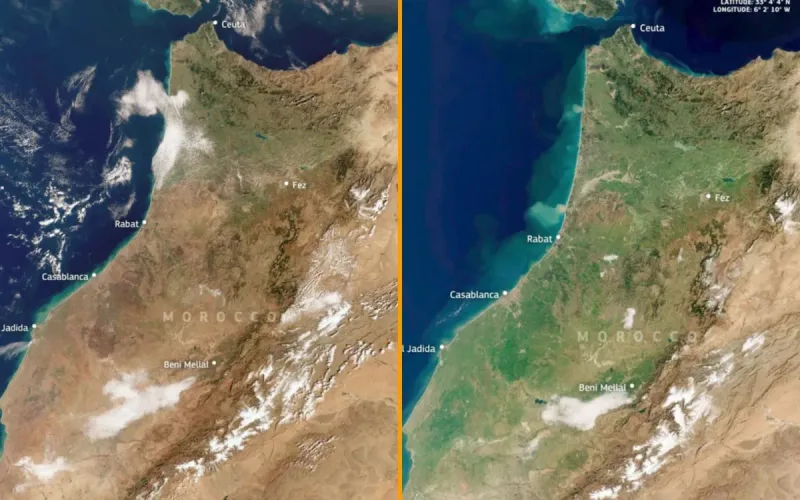
On Bladi.net : Northern Morocco Turns Green After Heavy Winter Rains
While the rainfall from the sky has been lifesaving for the fields, these unprecedented storms have also caused severe human and material tragedies. In December, 37 people died in flash floods in Safi, constituting the worst toll of the decade. The northern part of the country was also hit in February by torrential rains that killed four people and led to the evacuation of 180,000 residents. In total, 110,000 hectares were submerged by flooding in the sectors of Larache, Kenitra, Sidi Kacem and Sidi Slimane.