Intelligent" Chinese buses for Morocco, but remotely controllable from China
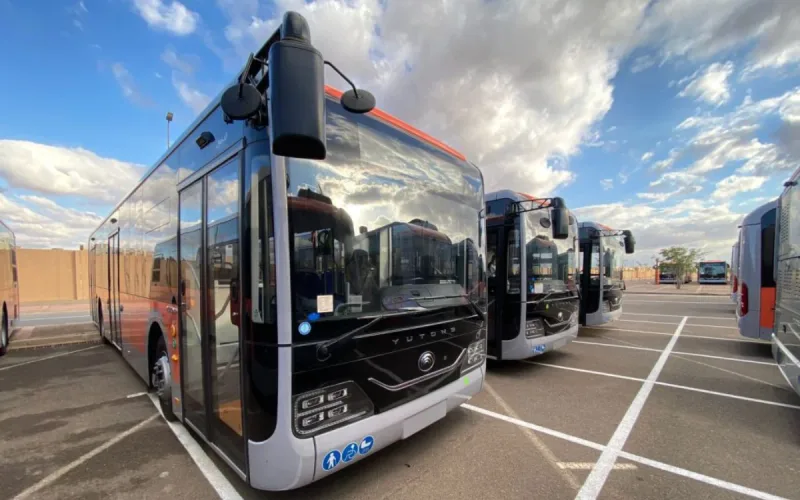
Morocco is preparing to receive a large delivery of electric buses to modernize its urban transportation, particularly in Casablanca, in preparation for the Africa Cup of Nations. The contract was won by the Chinese manufacturer Yutong, a global leader in the sector, whose technologies are, however, the subject of close scrutiny in Europe for cybersecurity reasons.
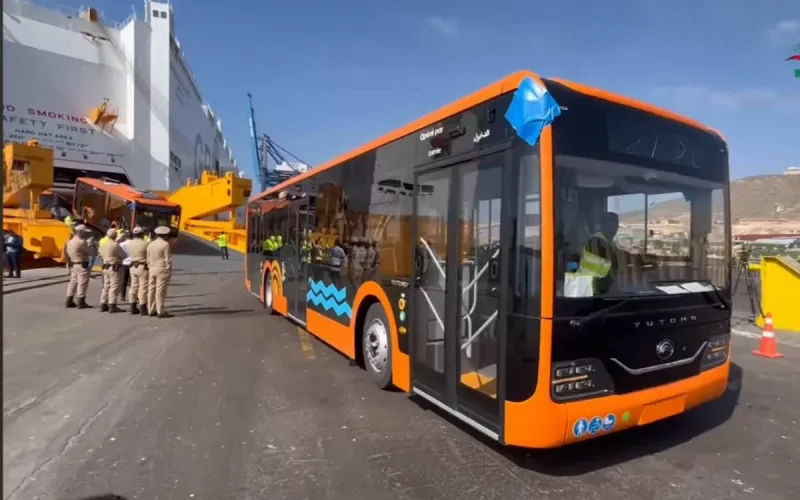
The Moroccan modernization plan provides for the acquisition of a total of 723 buses. A first batch is expected to be put into service in Casablanca as early as December 12th, in order to provide reliable transportation for supporters.
The agreement includes 24/7 technical support from 100 experts. According to Yutong, the vehicles have been specifically adapted to local conditions, with an optimized design to withstand hot and sandy climates, and a reduced turning radius to facilitate maneuvers in narrow streets.
Risks of remote control pointed out in Norway
This delivery comes as a Norwegian report, revealed by the newspaper Aftenposten, has highlighted security risks related to the Chinese manufacturer. The Oslo public transport operator, Ruter, has conducted secret tests that have shown that its Yutong bus could be controlled and deactivated remotely by the manufacturer in China. A bus from a European manufacturer tested in parallel did not have this vulnerability.
According to the Norwegian operator, the manufacturer retains access to software updates and battery control systems. An expert who participated in the tests confirmed that the bus could be "stopped, turned off, or receive updates that could destroy the technology".
This capability is perceived as a risk, as it could be used as a means of pressure in the event of a crisis. The Norwegian government is now evaluating the risks associated with vehicles from countries "with which Norway does not have security policy cooperation".
However, the Ruter operator, which operates more than 300 Chinese buses, has stated that to ensure "local control if necessary", it is possible to disconnect the vehicles from the internet by removing their SIM cards.