Spain Reports Sharp Drop in Migration After Shift on Western Sahara Policy
The massive influx of migrants into Spain from Morocco has dropped sharply since last March, when Spain expressed its support for Morocco’s autonomy plan for the Sahara.

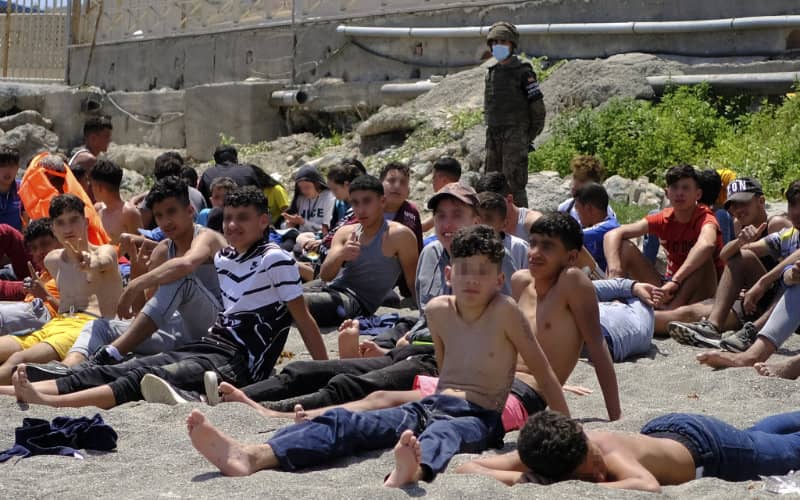
The massive influx of migrants into Spain from Morocco has dropped sharply since last March, when Spain expressed its support for Morocco’s autonomy plan for the Sahara.

The arrests and expulsions of sub-Saharan migrants living or working in Tangier, near the Ceuta border, have intensified over the past two weeks following Spain’s change of position on the Sahara. The migrants denounce this "unacceptable" attitude of the Moroccan authorities.

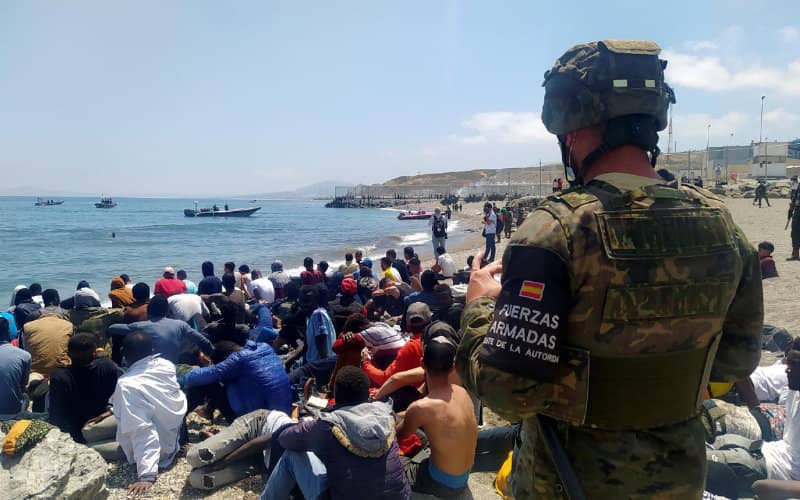
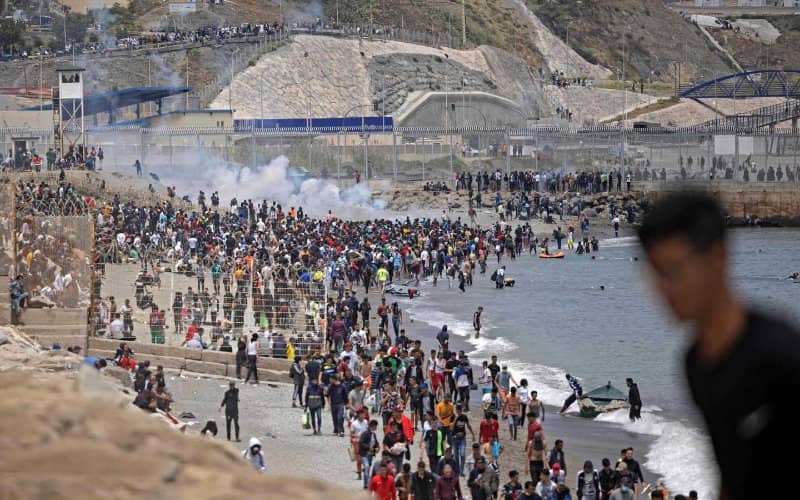
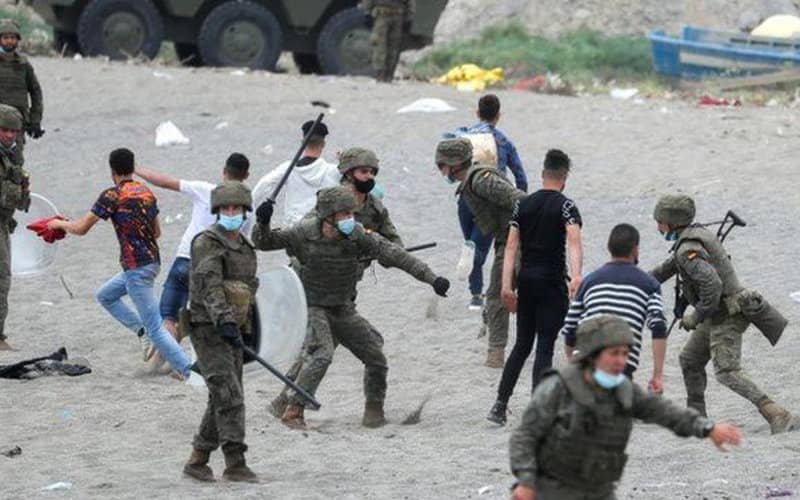
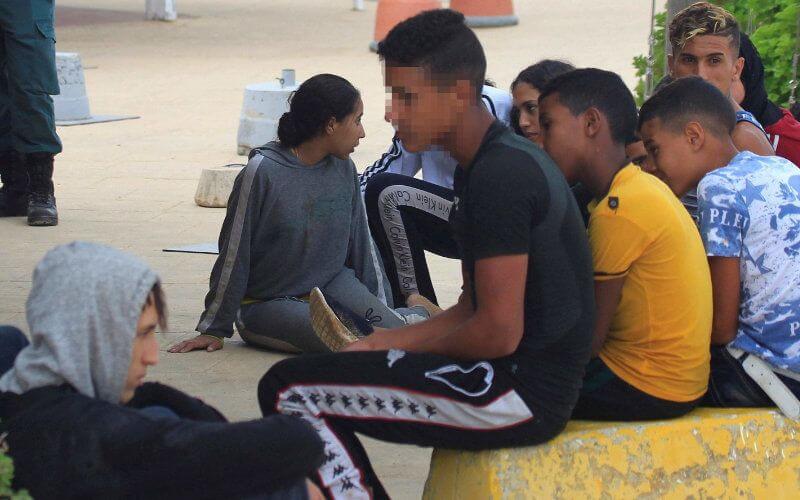
Relations between Morocco and Spain are normalizing. After Spain’s change of position on the Sahara, King Mohammed VI has invited Pedro Sanchez to make a visit to Rabat in the coming days and would be ready to authorize the return of minors who arrived en masse in Ceuta in May last year.

The Civil Guard of Ceuta has arrested 14 women, including Moroccans, as alleged perpetrators of trafficking of Moroccan migrants, both minors and adults, to Algeciras.

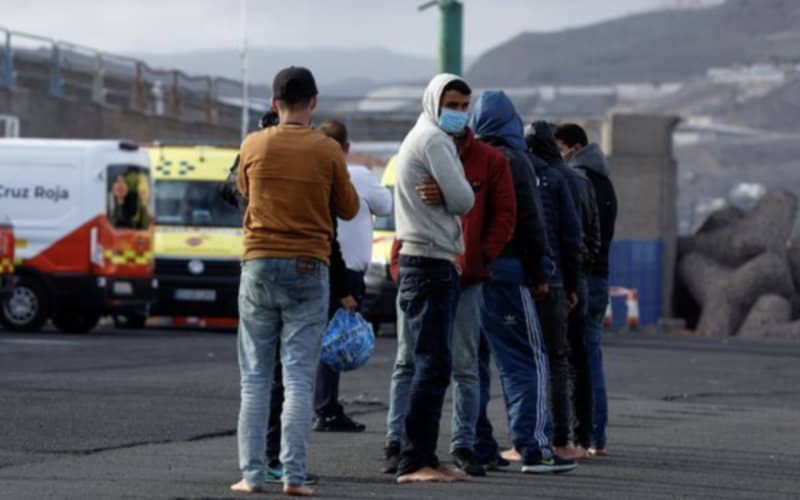
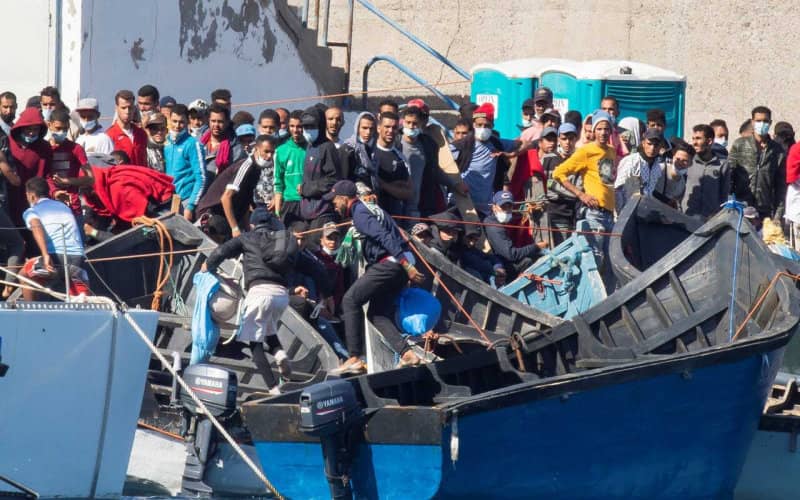
The Vox party denounced on Monday the arrival of 293 migrants to the Canary Islands over the weekend, stressing that the change in Spain’s position on the Sahara, which ended the crisis with Morocco, has not yet changed the migration situation.

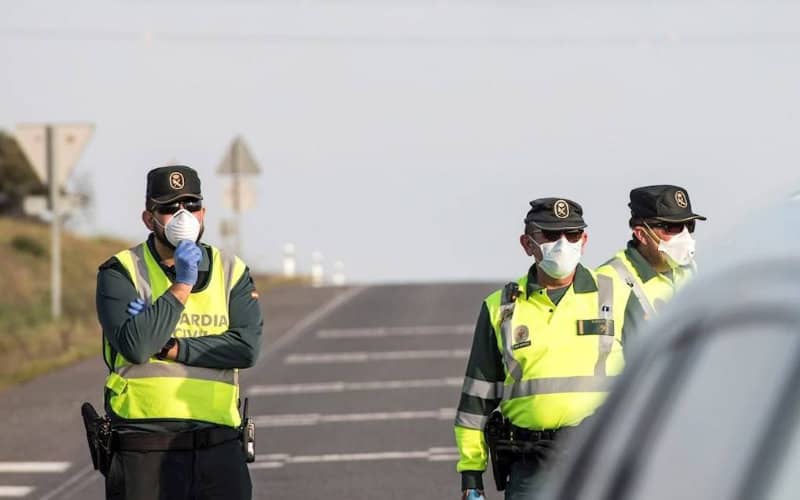
The positive effects of the Spanish government’s decision to support Morocco’s autonomy plan for the Sahara are already being felt. Senior police and Civil Guard officers say this change of position has helped unblock security issues at the borders with Morocco, which have been pending for two years now.

Spain grants Morocco 30 million euros in aid each year, in addition to the more than 300 million euros in aid the kingdom receives from Europe to fight illegal immigration. Despite this significant support, migration flows continue to rise.

Spain would have accepted to support the Sahara autonomy plan and end tensions with Morocco due to the influx of refugees it could face during this period of the Ukrainian crisis.

The Minister of the Presidency, Relations with the Courts and Democratic Memory, Félix Bolaños, assured on Saturday that Spain’s support for Morocco’s autonomy plan for the Sahara will strengthen police cooperation between the two countries in the fight against illegal immigration.

Samir Faranji, 20, is a young Moroccan who immigrated to Spain at the age of 17. Today, he uses social media, especially YouTube, to make the stories of young migrants like him known and denounce the discrimination and hate speech of which they are victims.

Morocco has only sent the files of 75 minors out of the 1,300 who arrived in Ceuta last May. It is up to the Spanish government to decide whether or not to initiate the repatriation procedure for these minors.

The president of Vox Melilla, José Miguel Tasende, stated that the "increasingly massive and violent" migrant assaults are not reassuring for businessmen who would like to invest in the autonomous city.