The Halal Market in France: The Sector is Now Worth Billions and Major Retailers Want a Piece of the Pie
The European halal meat market is experiencing rapid expansion, driven by the growth of Muslim populations and a diversified supply. In France, this sector is based on a network of traditional butchers and an increased presence in large-scale distribution.
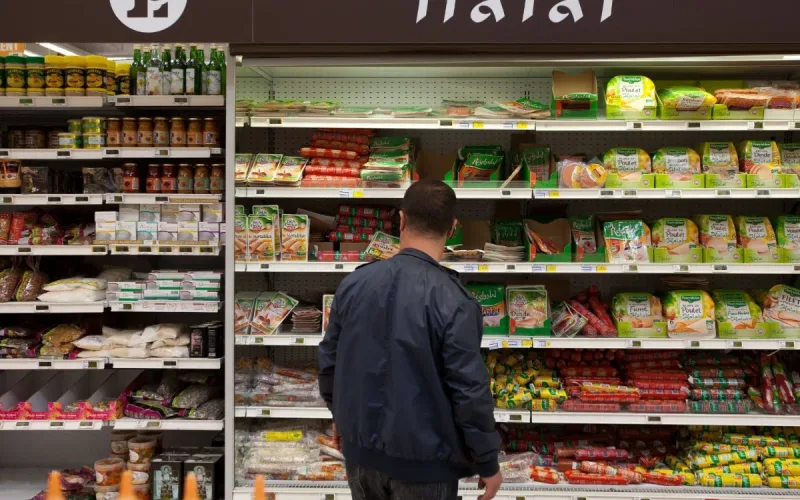
France is home to one of the largest Muslim populations in Europe, estimated between 6 and 7 million people, or about 8 to 9% of the total population. This consumer base ensures steady demand throughout the year, with marked peaks in consumption during Ramadan and major religious celebrations.
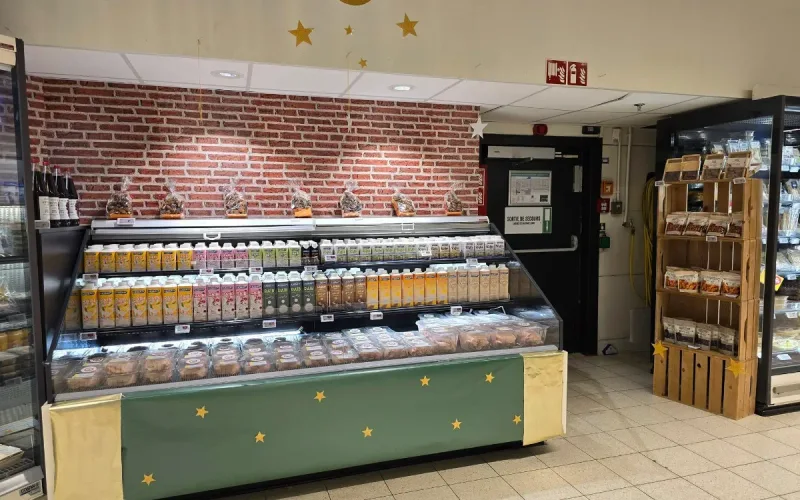
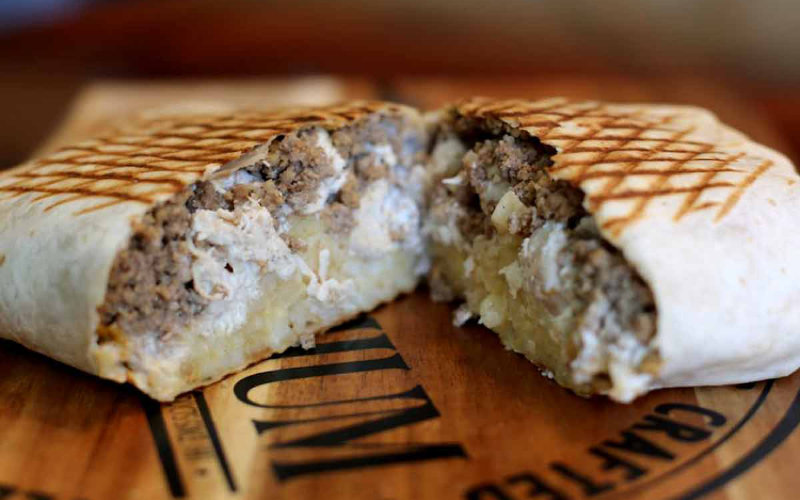
The halal offering is now evolving beyond just fresh meat. Frozen, processed, and ready-to-eat products are becoming common on the shelves, offering customers a wider range of options for their daily meals. This diversification facilitates access to halal for all occasions, according to Ahdb.org.
Trust is the cornerstone of this rapidly changing market. In the absence of a single national standard in France, consumers turn to recognized certification bodies and organizations linked to mosques. Clear labeling and high-quality standards are essential to build customer loyalty. Dynamics of distribution and certification of the halal market in France
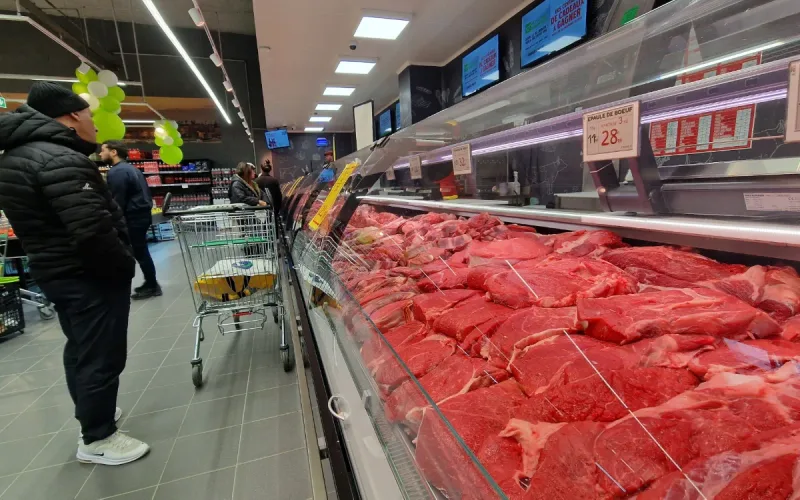
Independent butchers remain the dominant distribution channel, capturing around 80% of sales. Deeply rooted in local communities, these neighborhood shops are seen as reference points guaranteeing quality and peace of mind for buyers. At the same time, supermarkets are gradually expanding their ranges, despite some political sensitivities.
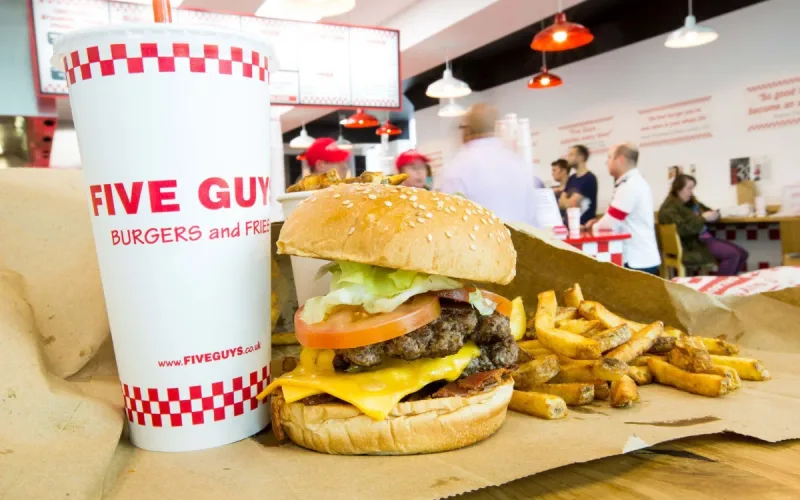
The visibility of halal is also extending to the urban catering sector. From neighborhood restaurants to fast-food chains, certified options are multiplying, making halal meat more accessible than ever. This trend reflects an adaptation of services to the consumption habits of city dwellers.
At the regional level, Germany and the Netherlands are following similar trajectories with Muslim populations of 6 million and 1.2 million, respectively. The development of online sales and innovative packaging to prevent cross-contamination in the aisles confirms that the future of the halal industry in Europe looks structurally promising.