
Morocco
Morocco Cracks Down on Tax-Evading Social Media Influencers
Moroccan influencers are in the sights of the Directorate General of Taxes , which has deployed significant resources to fight fraud and underreporting.

Moroccan influencers are in the sights of the Directorate General of Taxes , which has deployed significant resources to fight fraud and underreporting.
Announced last July, the reform of the income tax (IR) enters its active phase as early as 2023. According to government spokesman Mustapha Baïtas, nothing will be able to delay its application.

In Morocco, the Directorate General of Taxes (DGI) continues to track down "bad taxpayers". It has recently launched a vast operation to control and verify bank accounts.
In 2021, revenue from the vehicle sticker reached 3.7 billion dirhams, up 8% from a year earlier, according to the Directorate General of Taxes.
The number of self-employed workers continues to increase in the kingdom. At the end of 2021, there were 373,663 of them, four times more than 4 years ago, according to figures from the Directorate General of Taxes (DGI).

The British gas company Sound Energy announces that it has lost its lawsuit against the General Tax Administration, which had claimed $2.55 million in taxes from it after it bought Schlumberger’s assets in Morocco. The company intends to appeal.

The Directorate General of Taxes is summoning the owners of channels (YouTubers and influencers, Instagrammers, TikTokers and others) to declare the income generated by their activity.
Morocco wants to investigate the bank accounts and other assets of Moroccans abroad to verify whether they are in order with the tax authorities. In this context, a vast operation is being launched in many countries.

The Moroccan Directorate General of Taxes (DGI) is deploying new means to track down YouTubers, Instagrammers, TikTokers and other influencers who generate significant income.

The penetration rate of contraband cigarettes on the Moroccan market increased from 1.37% to 1.91% in 2021, according to figures published by the Customs and Indirect Taxes Administration (ADII).
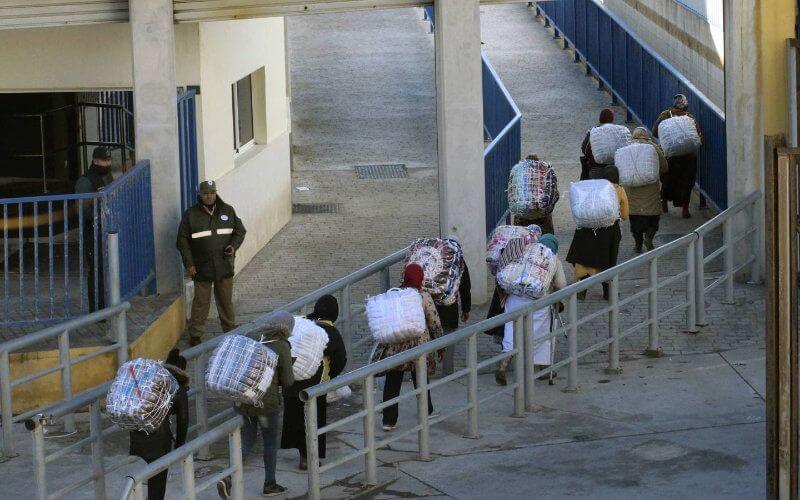
In announcing the reopening of the border posts of Ceuta and Melilla, the Moroccan authorities had stated that they would not in any case tolerate smuggling. Today, it is the turn of the General Directorate of Customs (DGI) to indicate that there will no longer be any smuggling activity at the Bab Sebta and Beni Ansar crossing points.

Several call centers suspected of resorting to illegal fund transfer practices to evade taxes are in the sights of the tax authorities.