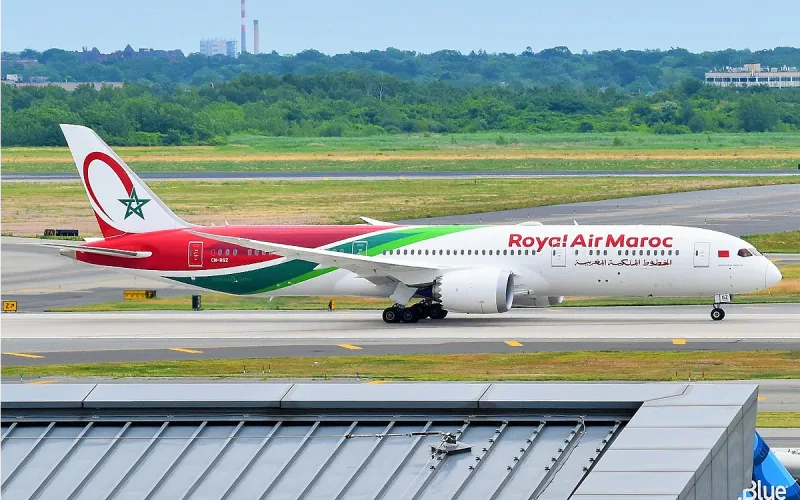
European safety alert covers six Royal Air Maroc aircraft
The European Union Aviation Safety Agency has tightened inspections of ATR 72 aircraft, a family of planes of which Royal Air Maroc operates six. The concern is a potential failure in the de-icing system that could lead to a loss of control in flight.
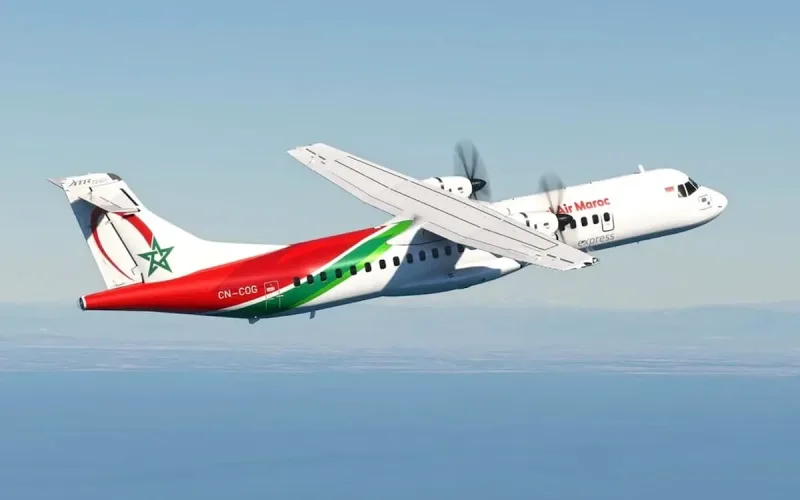
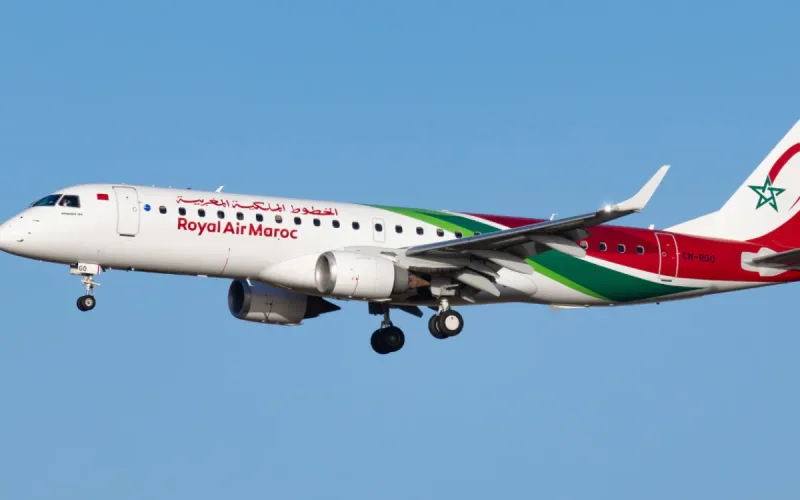
Published on 16 November, the new EASA directive covers several ATR 42 and ATR 72 models, including the ATR 72-212A, marketed as the ATR 72-600. Royal Air Maroc owns six aircraft of this type, each with a capacity of 70 seats, according to data published on the airline’s official website. The planes are used in particular by its subsidiary Royal Air Maroc Express for regional routes.
European authorities are concerned about how the valves that regulate and cut off the supply to the de-icing system are operating. A technical analysis found that some failures could go undetected while an aircraft is in service. If they occur in icing conditions, they could, according to EASA, lead to a loss of control of the aircraft.
The manufacturer ATR had already been required to step up checks of these components in January 2025. New reliability analyses carried out by its supplier have since shown that the inspection intervals remained too long. The European agency has therefore decided to tighten the maintenance requirements once again.
Much more frequent inspections
The directive, which will take effect on 30 November 2026, now requires functional checks every 160 or 210 flight hours for ATR 72 aircraft, depending on their technical configuration. Transitional provisions allow operators to adjust the deadlines based on the date of their last inspection.
For Royal Air Maroc’s six ATR 72-600s, the document confirms that their model is among the aircraft covered by the alert. However, it does not specify what checks have already been carried out on the Moroccan fleet or how the directive will apply to aircraft registered in Morocco.
The new European requirements also stipulate that any fault found during an inspection must be corrected before the next flight. If the usual procedures do not resolve the problem, the operator must obtain approved technical instructions from ATR and apply them before returning the aircraft to service.