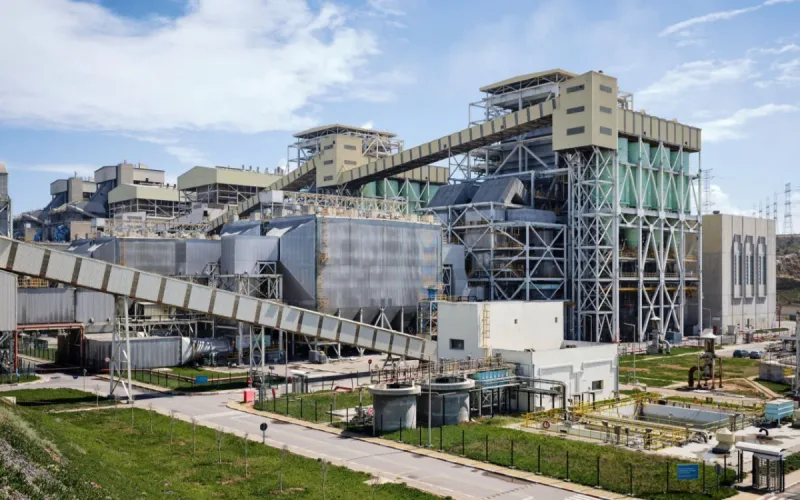
Despite Solar and Wind Power, No Arab Country Consumes as Much Coal as Morocco
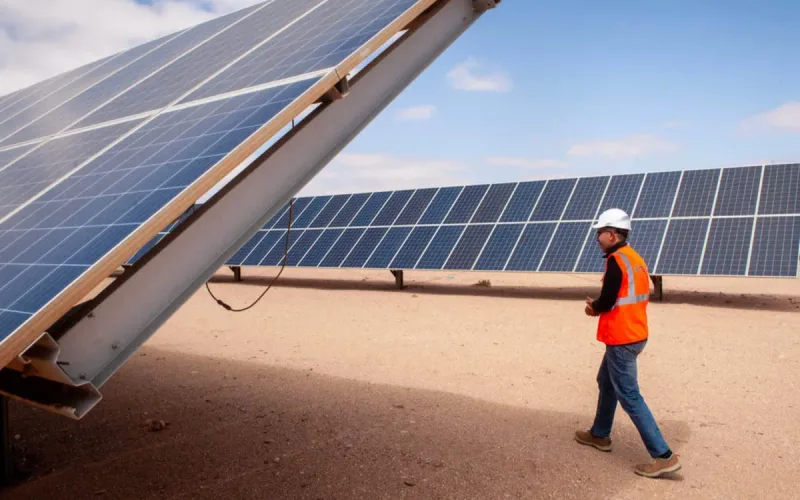
Morocco remains the leading Arab consumer of coal. Its consumption increased again in 2025, despite the rise in the Kingdom’s investments in solar and wind energy .
Morocco remains the leading Arab consumer of coal. Its consumption increased again in 2025, despite the rise in the Kingdom’s investments in solar and wind energy .
The rise in energy bills is expected to widen Morocco’s external deficit in 2026. However, remittances sent by Moroccan expatriates, along with tourism revenues, will help absorb part of the shock.

The $30 billion electrical cable project between Morocco and Germany faces conditions set by Rabat. The Kingdom wants to be able to import electricity through this link, not just export its renewable energy to Europe.

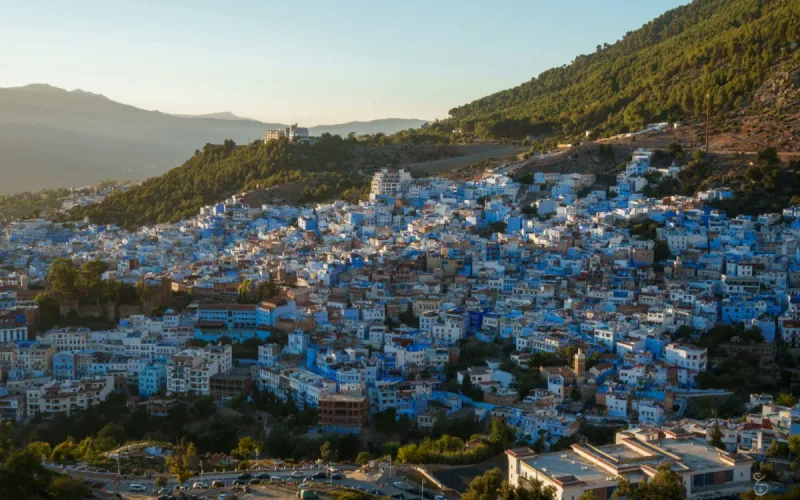
Morocco is preparing a massive "water battery" near Chefchaouen to store surplus solar and wind electricity. Backed by $265 million from the World Bank, the Ifahsa project will develop a capacity of 300 megawatts.

Morocco and France are studying the creation of a direct electrical link under the Mediterranean. This future cable would allow Moroccan renewable electricity to be transported to the French network without passing through Spanish interconnections.

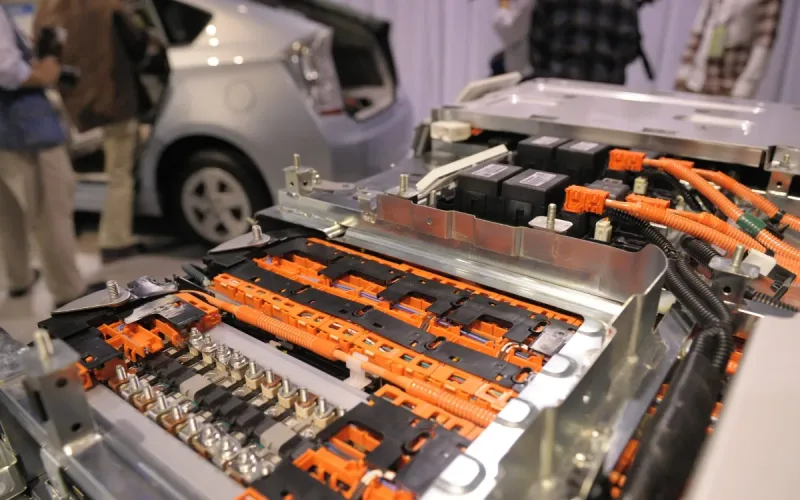
A pilot graphite processing plant for batteries has just opened near Casablanca. Behind this industrial milestone, Morocco is positioning itself on a strategic link in the electric vehicle and energy storage chain.

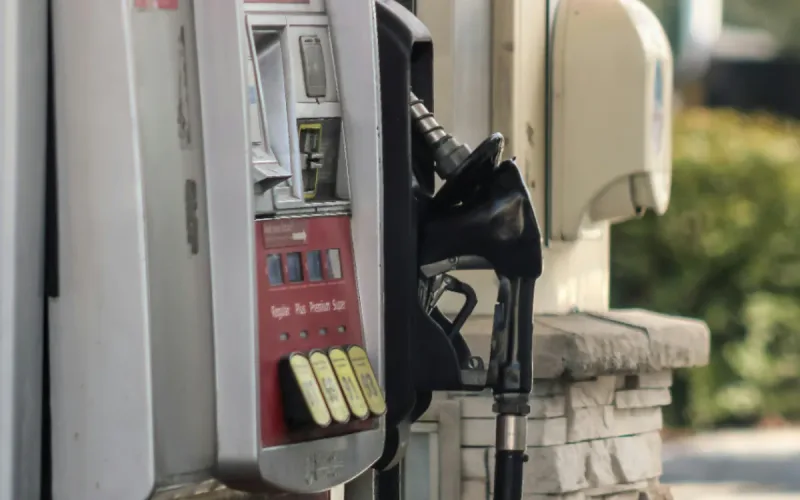
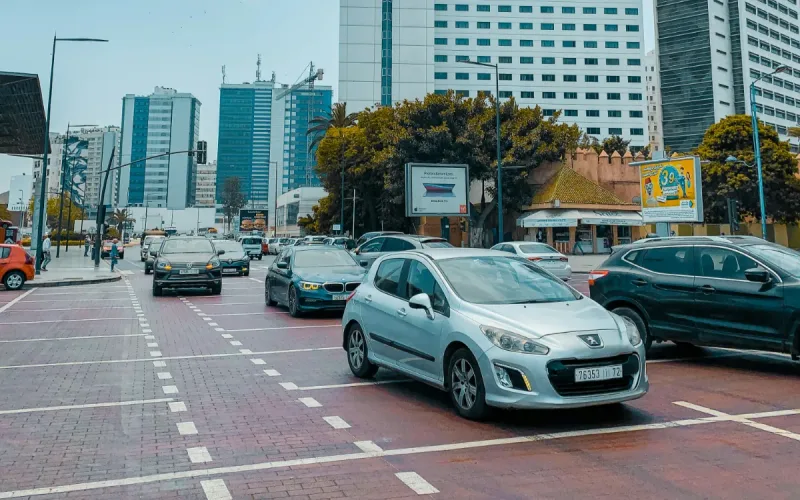
Fuel prices continue to fall in Morocco. Since Wednesday, July 1st, diesel has dropped by 96 cents per liter and gasoline by 45 cents. A real breath of fresh air for Moroccan motorists and professionals.

Faced with soaring food and fuel prices, Moroccan consumer habits are undergoing radical transformation. Non-essential purchases are being sacrificed in favor of strict budget management, primarily affecting leisure and shopping.

Moroccan motorists are benefiting from a new fuel price reduction since this morning. The price of petrol will drop by 60 cents per litre, while diesel will decrease by 40 cents.

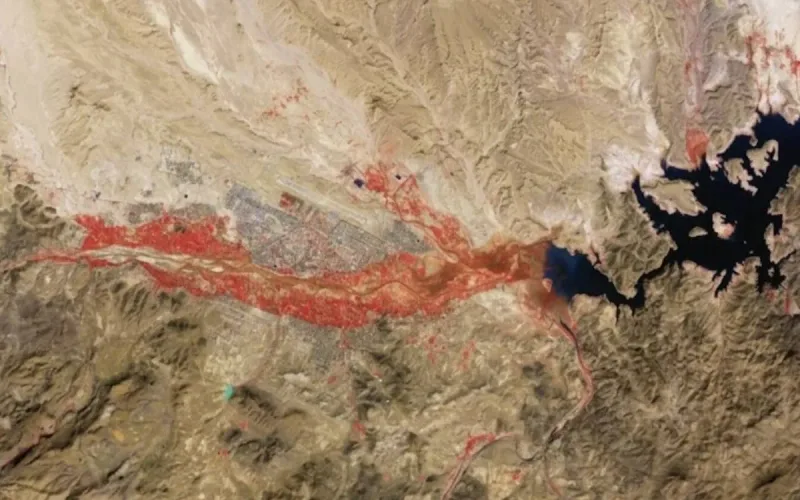
A European satellite captured an immense red coloration extending across the arid zones of Ouarzazate. Far from being an ecological catastrophe, this visual anomaly actually reveals the vitality of a surprising agricultural orchard in the middle of the desert.

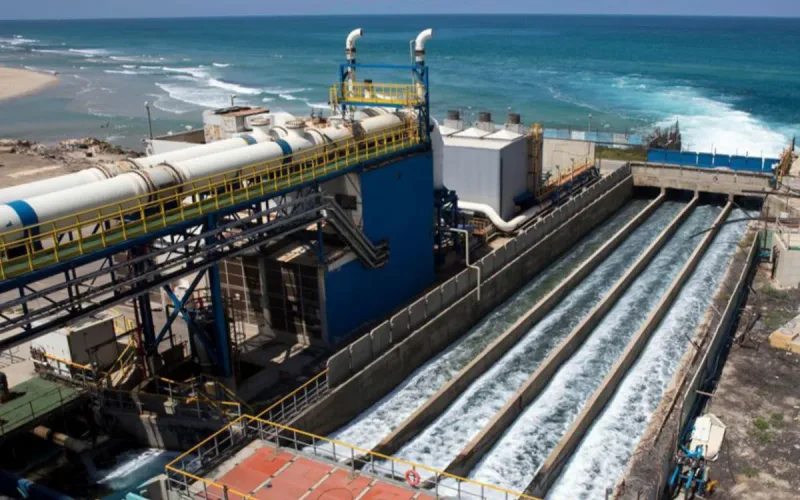
Facing structural drought, Morocco is launching the construction of Africa’s largest desalination plant in Casablanca . This megaproject, backed by Spain, will secure water supply for several million residents through clean energy.

Facing the blockade of the Strait of Hormuz by Iran, Morocco spends 3 billion dirhams each month to subsidize energy. The government is striving to contain the impact of this crisis on public finances.