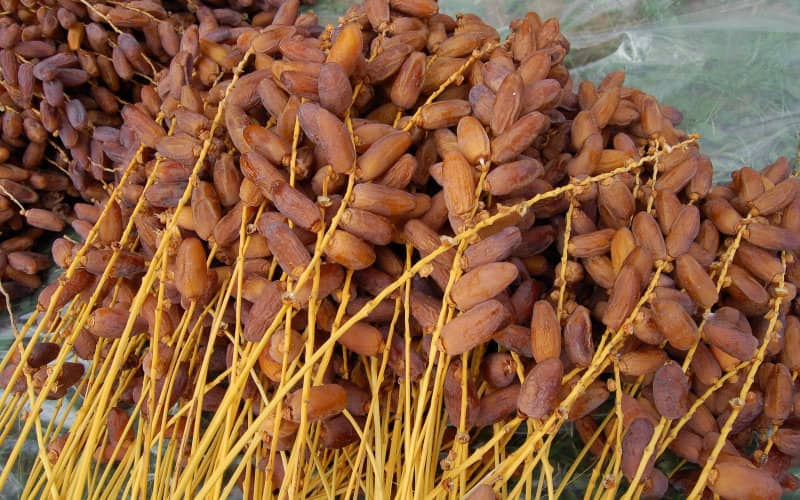
Date Prices in Casablanca: From 25 to 220 Dirhams During Ramadan
The Moroccan date market comes alive ahead of Ramadan, pitting a local harvest of 160,000 tonnes against diverse international competition. Consumers now find themselves torn between loyalty to oasis-grown produce and managing a tight budget.
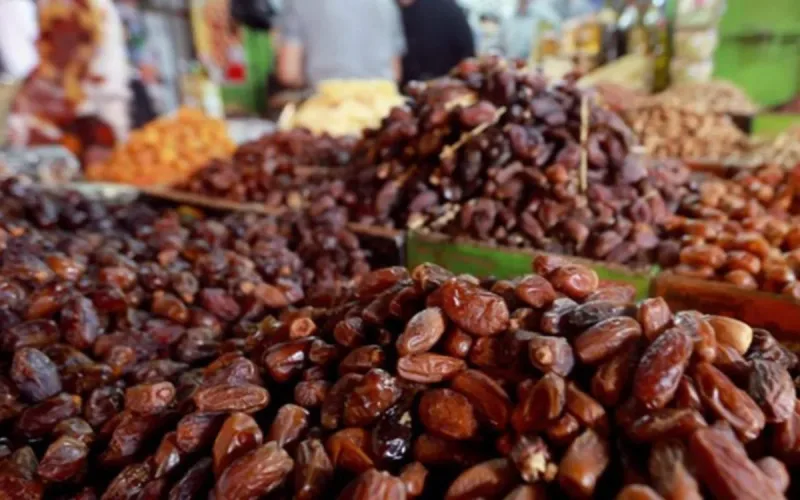
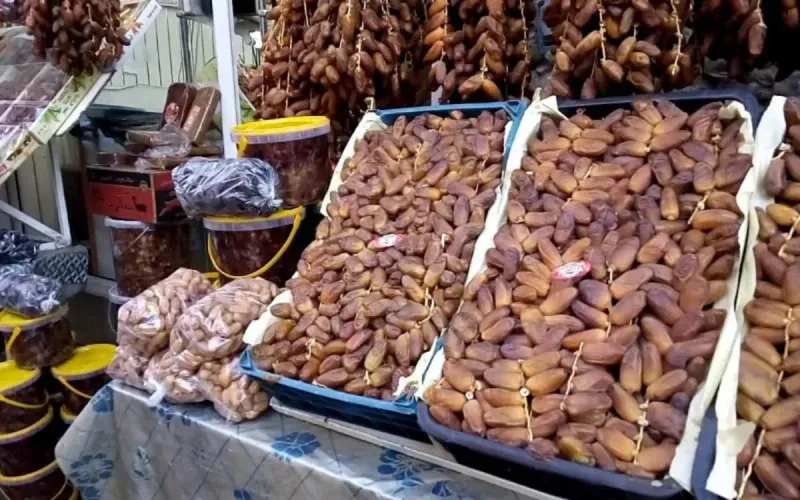
In Casablanca’s stalls, foreign offerings range from entry-level Iraqi dates to prestigious Saudi varieties. While dates from Iraq and Egypt are available at accessible prices starting at 25 dirhams per kilo, premium varieties such as Saudi Ajwa can reach 220 dirhams. “Some people want quality and are willing to pay more, while others are looking for low prices between 20 and 40 dirhams,” summarizes a merchant from Derb Mila interviewed by Le Matin.
On Bladi.net : Ramadan: Why dates are becoming a luxury this year in Morocco
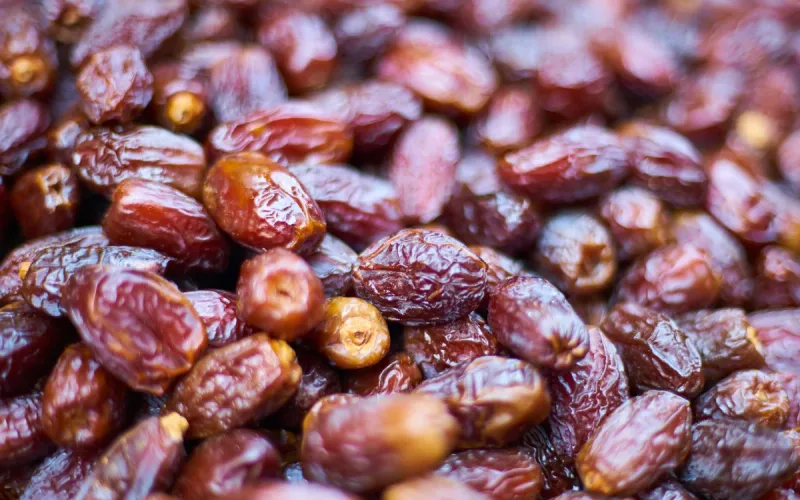
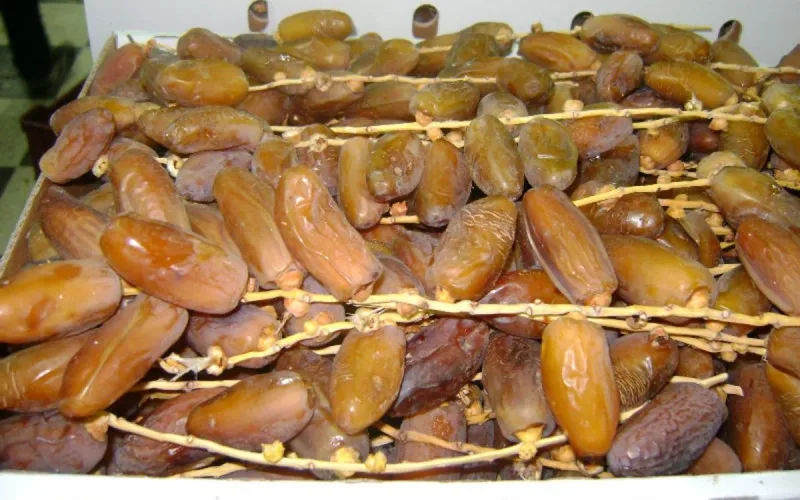
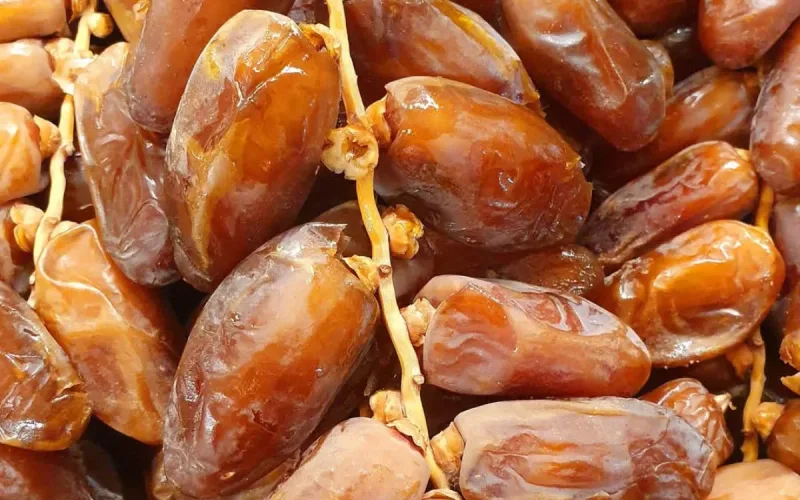
Despite this international pressure, “made in the oasis” products retain a central position thanks to Moroccan Mejhoul dates, the true benchmark of the market. Prized for their texture and size, domestic dates remain the most sought-after by consumers despite prices ranging from 60 to 180 dirhams. This year, the local sector is benefiting from a larger harvest, supported by favorable weather in the production basins.
To stabilize this volatile market, the authorities are strictly regulating imports in order to protect the sale of local stocks. However, persistently high transport and packaging costs are preventing any significant decline in retail prices. The market therefore remains dependent on a fragile balance between promoting the national product and preserving household purchasing power during a period of high consumption.
On Bladi.net : Ramadan: why the price of dates is soaring on the stalls in Morocco
Beyond financial considerations, the date remains central to the spiritual and nutritional breaking of the fast. This prophetic tradition, deeply rooted in the habits of millions of Moroccans, meets a physiological need for rehydration and an immediate energy boost. Consumed in moderation, the fruit helps offset the day’s fatigue while celebrating a cultural heritage inseparable from the holy month.