Ramadan: Why dates are becoming a luxury this year in Morocco
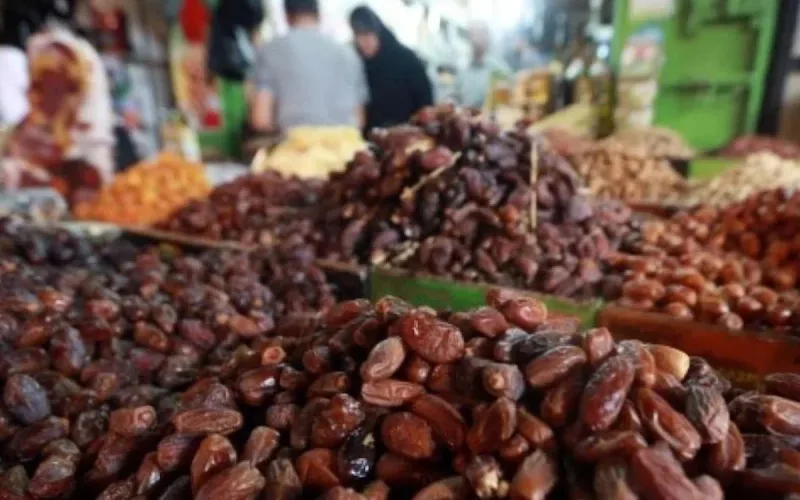
One week before the sacred month of Ramadan, the Moroccan date market is under tension. The drop in imports due to quotas and the impact of the drought on local production are leading to a surge in prices and risks of fraud.
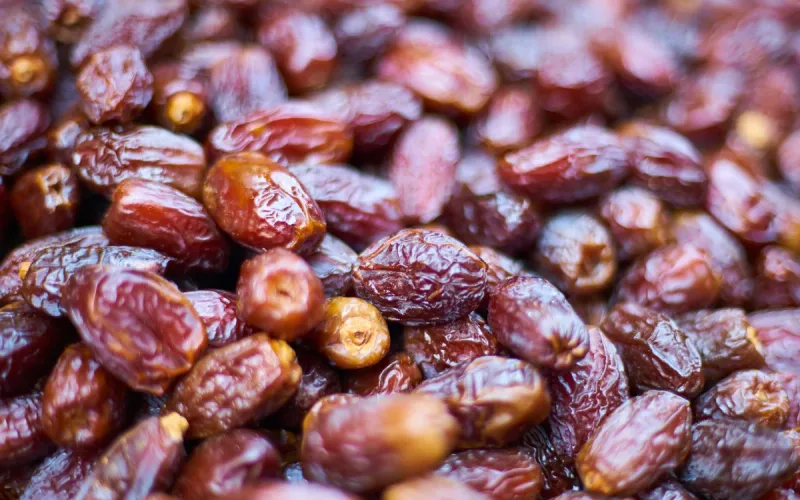
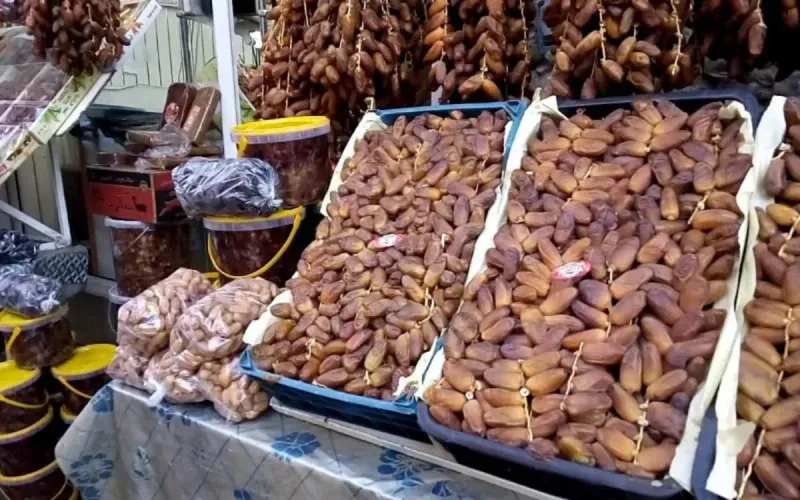
Moroccan stalls are showing a significant drop in the supply of foreign dates, a direct consequence of the maintenance of import restrictions. According to professional sources cited by Hespress, the quota system imposed by the authorities has created a "blockage" in the ports, penalizing small wholesalers in favor of large companies and drastically limiting the available volumes. This regulation, intended to protect domestic production, comes at a time when importers are hesitant to build up large stocks in the face of administrative uncertainty.
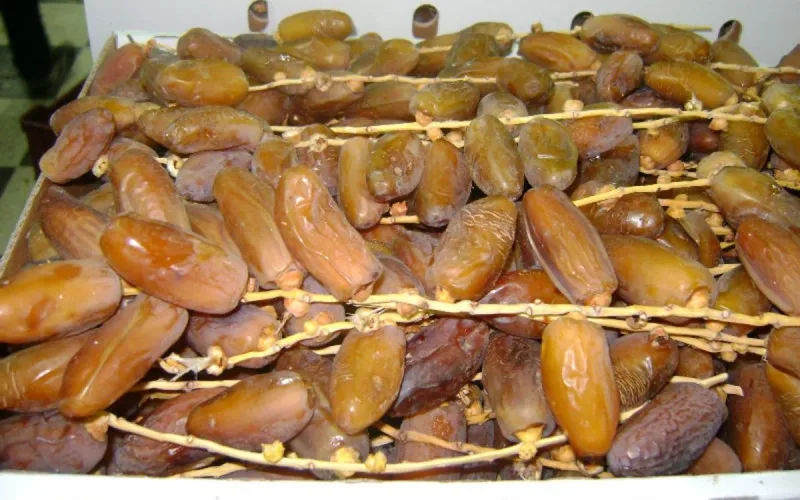
Paradoxically, local production is unable to fill this void or regulate prices. In the producing regions of the Southeast, such as Zagora and Errachidia, the oases are suffering the devastating effects of a severe drought that has made scarce prized varieties such as "Boufeggous". Contrary to rumors of abundance, the prices of Moroccan dates have skyrocketed, with some ordinary varieties going from 15 to more than 50 dirhams per kilogram due to the shortage.
This tension on supply is also reflected in the still available imported products. The price of certain references, such as the Iraqi date "Zahedi", has doubled compared to last year, recording an average increase of about eight dirhams per kilo. Professionals warn that the current scarcity is pushing price levels to peaks, making marketing difficult and competition almost impossible for small retailers.
Furthermore, this situation is favoring worrying speculative practices. Distributors denounce the sale of old stocks dating from the 2024 harvest, sold at high prices as being from the new season, particularly for the "Mejhoul" variety. Faced with this "lack of control", the players in the sector are calling for an urgent acceleration of import procedures and increased monitoring to ensure the transparency of transactions and protect the purchasing power of consumers before the start of the fast.