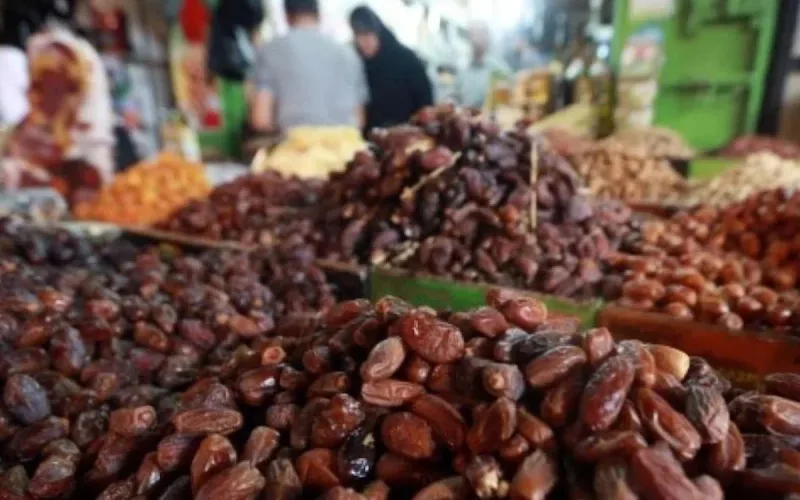
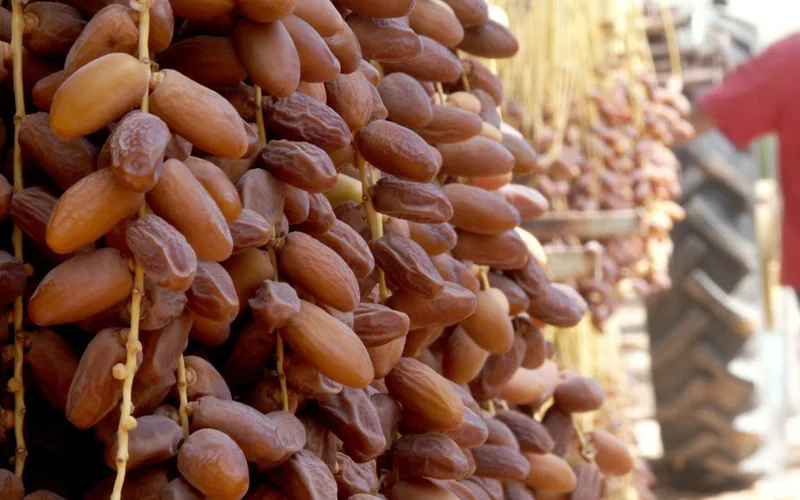
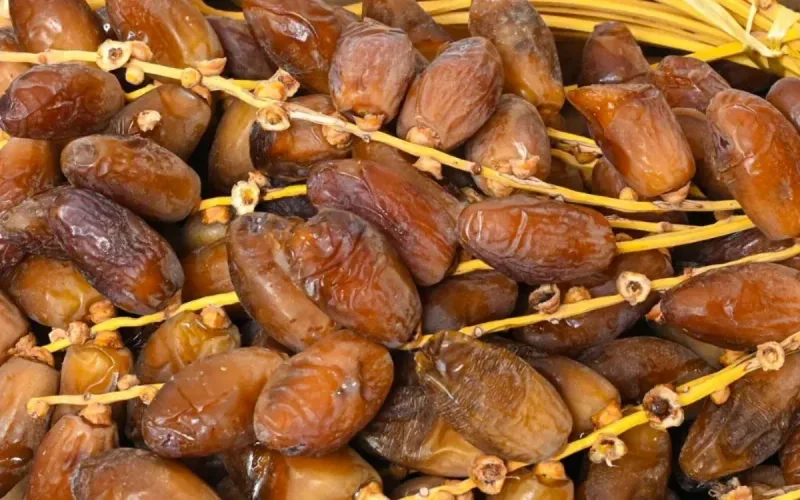
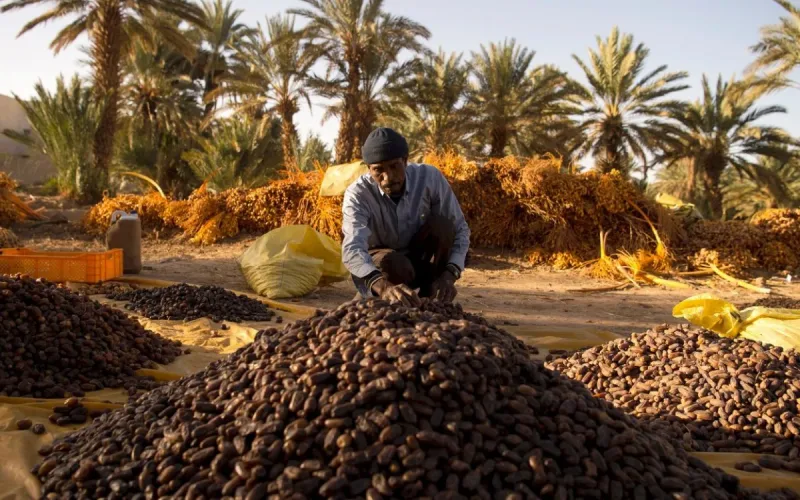
Ramadan: why the price of dates is soaring on the stalls in Morocco
As the month of Ramadan approaches, the rise in the price of dates on Moroccan stalls is raising many questions among consumers.
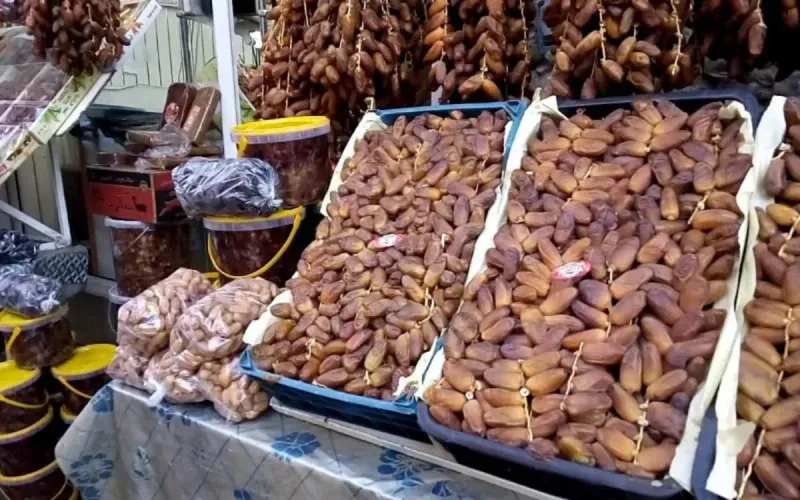
The sudden surge is explained by an "administrative disruption" at customs, following a new decision by the authorities aimed at better regulating imports. Since December 24th last, obtaining an Import License has become mandatory, a measure intended to protect the production of the national oases, particularly abundant this year.
The objective of this new administrative barrier is twofold: to avoid flooding the market with foreign products that could harm local farmers and to preserve the country’s foreign exchange reserves. The president of the Moroccan Federation for the Valorization of Dates explains to Hespress that this regulation makes it possible to adjust the entries to the actual needs, thus avoiding the waste of past years. Although this change has temporarily blocked shipments at the port, the situation should normalize this week with the arrival of stocks from Tunisia and Egypt.
Despite the concerns, professionals are reassuring about the availability of products. A full census shows that the current stocks, stored in cold rooms, cover twice the estimated needs for the month of Ramadan. There is therefore no risk of shortage. In terms of prices, while officials speak of a slight increase of around 1 dirham per kilo, some distributors are observing more marked increases, with imported date boxes going from 100 to 125 dirhams.
Beyond the prices, vigilance is required regarding the quality and origin of the fruits. Professionals are warning about fraudulent practices. Imported dates, sometimes from Egypt, are repackaged to be sold as Moroccan products. Similarly, old stocks from the 2024 harvest are sometimes sold as fresh.
Finally, while national production is on track this year, some experts still point to structural weaknesses in local storage and packaging, which explains why the market remains highly dependent on imports to ensure a regular and quality supply. As the sacred month approaches, the balance between protecting the Moroccan producer and the purchasing power of the citizen remains the main challenge for the authorities.