Morocco's Date Industry Under Threat: Farmers Allege Algerian Deception
Moroccan farmers denounce the massive import of Tunisian dates that they suspect come from Algeria. They point to the poor quality of this product, calling for measures to be taken to protect domestic production and put an end to this unfair competition.
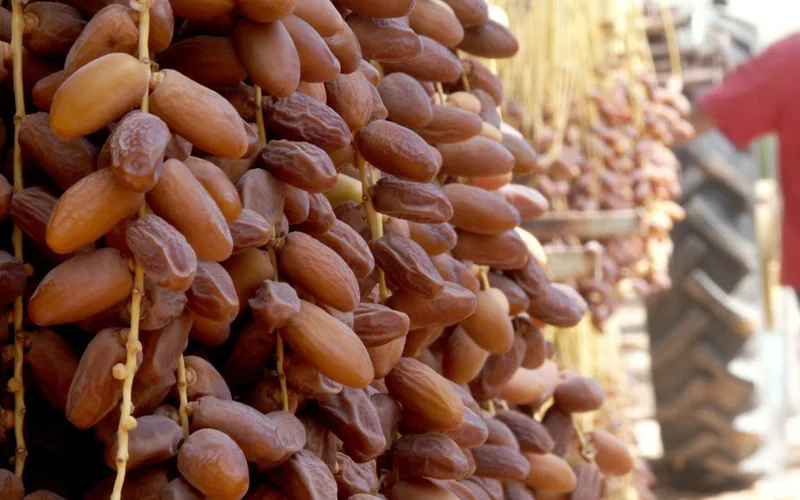
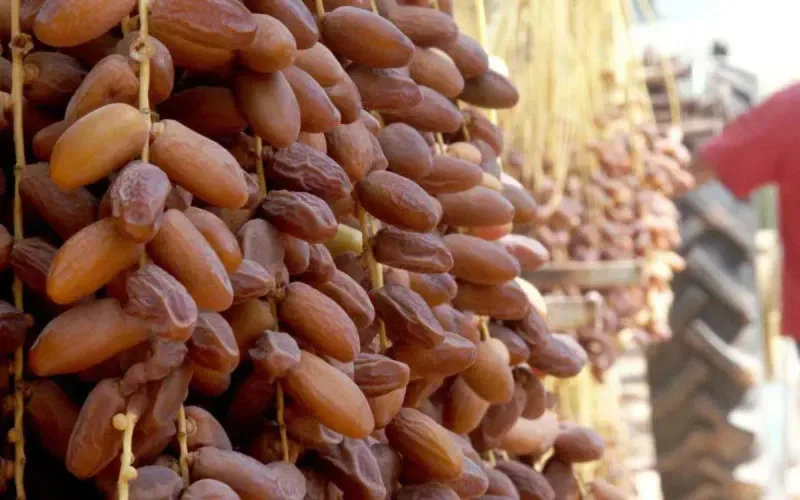
Moroccan date producers accuse imported Tunisian dates of being of poor quality. But their main concern is related to the origin of these dates, which they say come from Algeria, which constitutes unfair competition and deceives Moroccan consumers. They add that the massive import of these dates threatens local production and jobs in the sector.
"The efforts made in the date sector in the Kingdom have made it possible to obtain an abundance of high-quality products. Moroccan consumers also tend to consume local products, but the arrival of imported fruits, particularly Tunisian ones, in quantities higher than demand will lead to a recession in the market," explains to Hespress the president of the Moroccan Federation for the Marketing and Enhancement of Dates and member of the National Interprofessional Federation of Date Sectors.
The official adds: "These massive imports lead to the storage of surpluses, which constitutes unfair competition for Moroccan producers, especially since Tunisian dates, for example, are modified dates whose nutritional value is lower than that of local dates. Their marketing in large quantities therefore threatens the activity of palm trees in Morocco."
Faced with this situation, the official is calling for "the prohibition of the entry of imported dates into Morocco, which cannot become a market for those who do not have one, or at least to limit the quantities coming from the open markets with which Morocco has concluded free trade agreements, such as the Tunisian market." He also insists on the quality control of these dates. "It is also necessary to guarantee the quality, because the Tunisian exporters export to Morocco third-category dates that are not fit for human consumption."