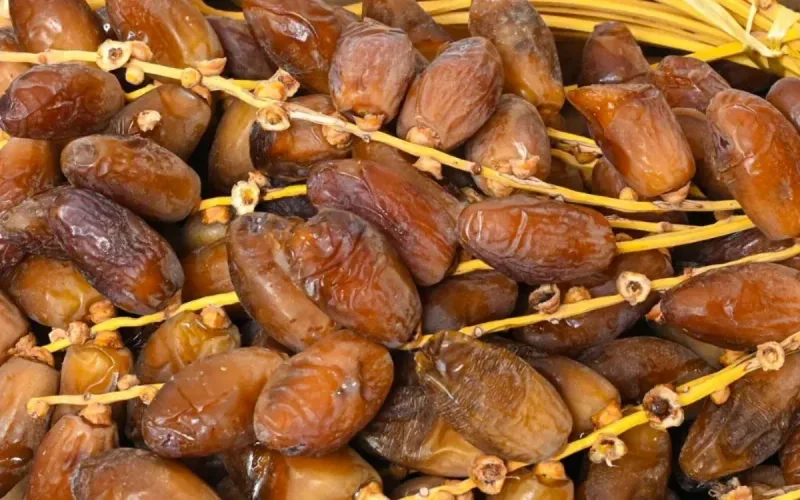
Morocco blocks Tunisian dates
The announcement of the restoration of import quotas on Tunisian dates in Morocco marks a sudden halt to trade between the two countries. This decision, taken in the middle of a record harvest season in Tunisia, weakens a sector that has historically been dependent on the Moroccan market to sell its volumes.
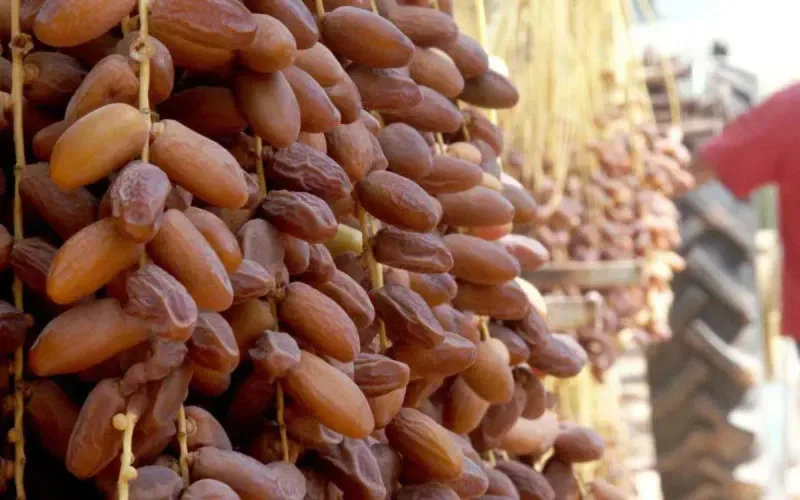
On December 24th, the reactivation of an old regulation limiting imports took exporters by surprise, causing the immediate blockage of 15,000 tons of goods at the port of Casablanca. While Morocco justifies this measure by the need to protect its own domestic production, particularly abundant this year, Tunisian professionals deplore the suddenness of the measure. This paralysis of flows has left them no time to adapt or explore new international outlets.
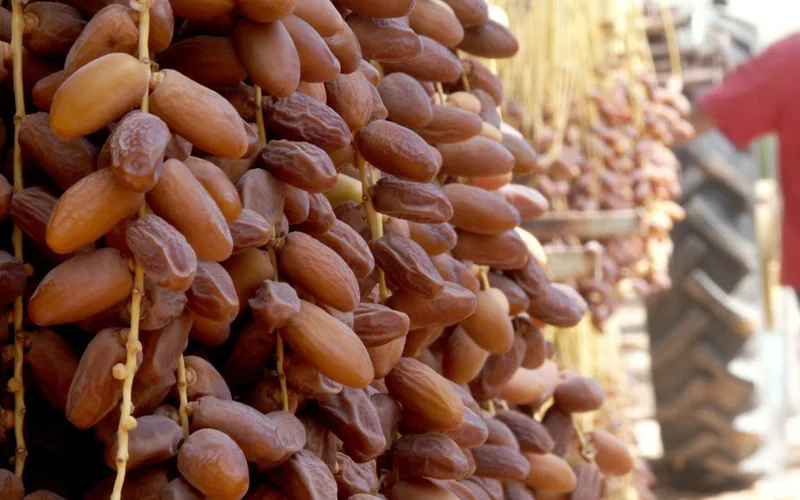
At the heart of the demands, the Deglet Nour variety is the subject of a specific plea. Exporters point out that this date, highly prized during Ramadan, is not grown in Morocco and therefore does not directly compete with local varieties. According to industry players, preferential treatment for this product would help maintain the balance between protecting Moroccan farmers and satisfying consumers.
This crisis is impacting a deep social ecosystem: Morocco usually absorbs 22% of Tunisian exports, supporting thousands of families on both sides of the border. Exporters now hope for a more flexible application of these quotas in order to preserve this centuries-old trade while respecting the Kingdom’s food sovereignty imperatives.