Alert on fake "Moroccan" dates
The price of dates is soaring in Morocco as Ramadan approaches, due to new customs restrictions aimed at protecting local production from dumping. These control measures, coupled with allegations of fraud on the origin of the products, are weighing on the purchasing power of consumers.
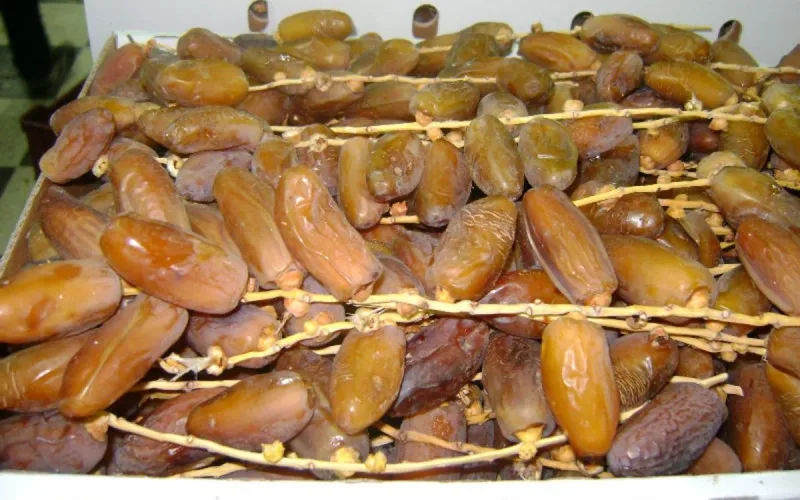
The Moroccan date industry is going through a turbulent period a few weeks before the start of the month of Ramadan, scheduled for March 17, 2026. The introduction, last January, of a mandatory prior authorization for imports has led to a significant increase in prices on the domestic market. According to the Moroccan Federation of Date Marketing and Valorization, this new regulatory framework aims to regulate external flows to avoid the massive surpluses that have destabilized the local product in previous seasons.
The president of the Federation justifies this firmness by the need to preserve the national harvest in the face of an uncontrolled influx of foreign goods. However, this temporary scarcity of supply has caused prices to soar, particularly for dates from Tunisia, the cost per crate of which has risen from 100 to 125 dirhams. Professionals in the sector expect a relative stabilization with the imminent arrival of new Egyptian and Tunisian stocks, although retail prices remain high as the peak consumption period approaches.
Beyond the price pressure, the market is facing fraudulent labeling practices. Distributors report that imported varieties, particularly from Egypt, are frequently repackaged and marketed under the Moroccan label, omitting the legal mentions and the country of origin. At the same time, national production is suffering from structural shortcomings in terms of storage and cooperative training, which paradoxically leads some operators to favor imports to ensure continuity of supply and consistency of quality.
As the sacred month approaches, the price per kilogram now exceeds 30 dirhams in retail stores, a critical threshold that could slow down demand. Professionals fear a budgetary arbitration by Moroccan households, who are seeking an increasingly difficult balance between product quality and a reasonable price.