Algerian Deglet Nour Dates Boycott Grows in Morocco
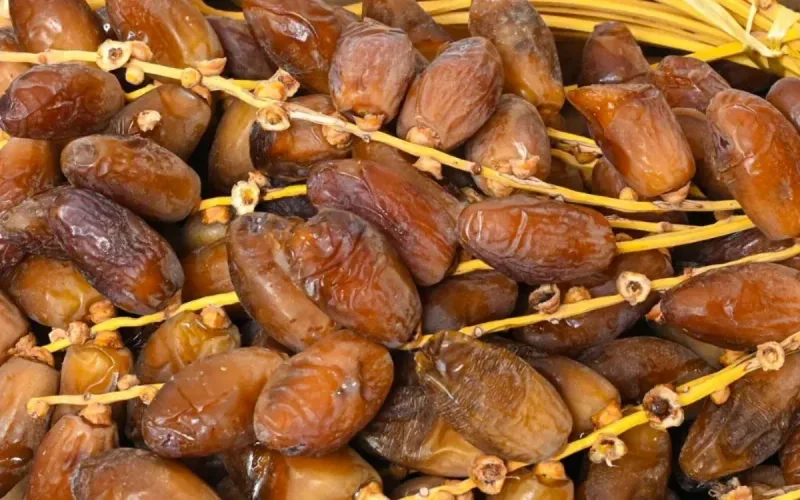
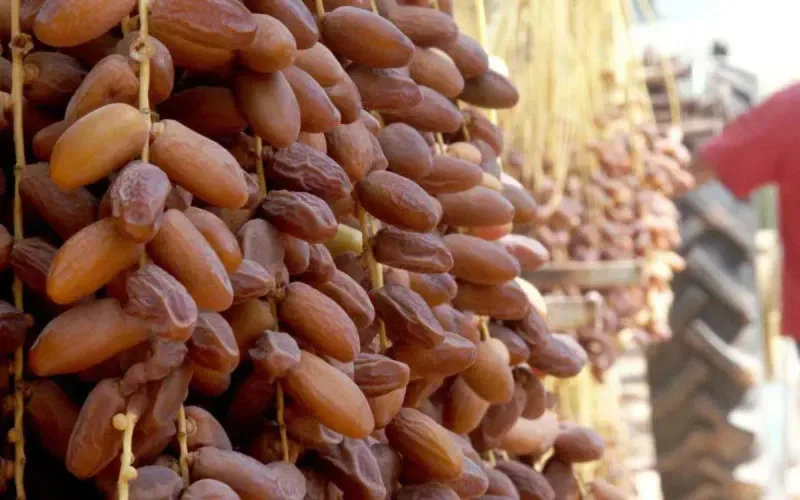
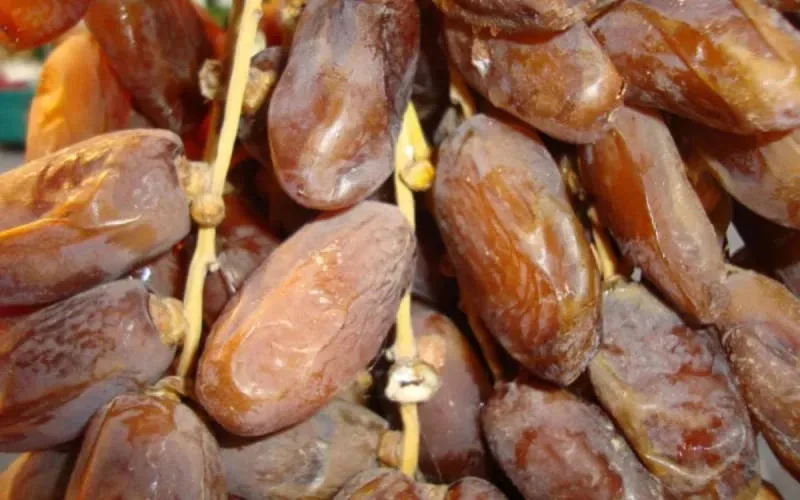
In the Oriental region, the sharp rise in the prices of Algerian Deglet Nour dates has sparked heated controversy. Faced with this inflation, voices are calling for a boycott in favor of Morocco’s national production.
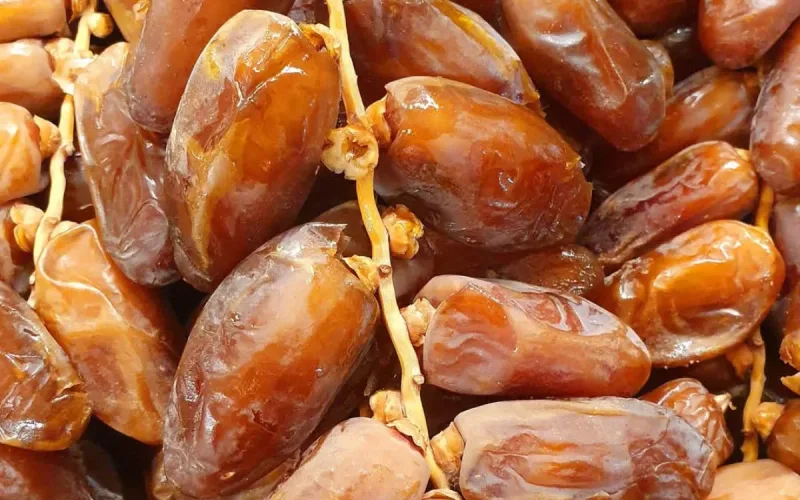
On the markets of the eastern part of the Kingdom, prices for the famous Deglet Nour variety have risen significantly, putting this product beyond the reach of many low-income households. The retail price has now reached 80 dirhams for a two-kilogram box, while bulk dates sell for around 45 dirhams per kilo. Traders attribute this surge to rising logistics costs and import taxes, while noting that demand remains strong due to local consumption habits.
On Bladi.net : Boycott: Will Algerian dates soon be driven off Moroccan tables?
This economic situation has revived a fierce boycott campaign. Activists and consumers are urging people to turn away from the Algerian product for reasons of “economic sovereignty” and to support Moroccan farmers, who sometimes struggle to sell their harvests. Health-related arguments are also being used, with some critics raising suspicions about the use of chemical substances in imported shipments and calling for zero tolerance.
On Bladi.net : Morocco blocks Tunisian dates
Although the border town of Beni Drar remains a hub for this trade, consumer opinions there are now divided. Some customers, attached to tradition, continue to buy Deglet Nour despite the higher price. Conversely, other buyers are turning to local alternatives, considering it “unacceptable” to support the neighboring economy at the expense of the national product, especially as inflation has eroded purchasing power.
The world’s seventh-largest producer, the Kingdom has high-end varieties, including the prestigious Medjool, which can compete with foreign products. For boycott supporters, the current situation offers an ideal opportunity to promote this agricultural heritage and reduce dependence on imports as the month of Ramadan approaches.