
After culling 19,000 sheep, Morocco opens its doors to Romanian livestock farms
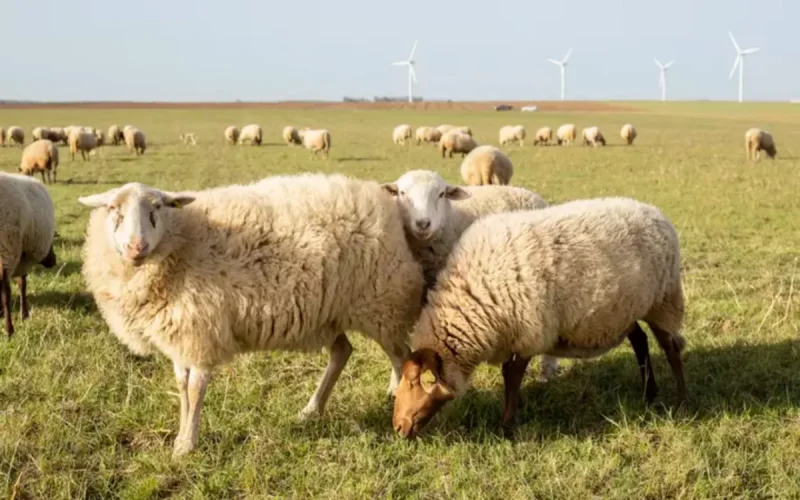
Romania will once again be able to export sheep and goats to Morocco despite its vaccination campaign. The agreement comes after 19,000 sheep were culled to contain several disease outbreaks in the country.
Morocco is one of six foreign markets to have accepted the health protocol proposed by Bucharest, alongside Saudi Arabia, Jordan, Tunisia, Israel and Libya. These agreements will allow Romania to export animals from vaccinated areas, reports the Romanian Agerpres agency.
However, the resumption of trade is not yet effective. It remains subject to the adoption of a new decision by the European Commission, the activation of the agreements concluded with importing countries and the launch of vaccination in Romania.
For Morocco, this agreement comes as the authorities seek to further reopen the market to European sheep in order to strengthen supply and contain red meat prices.
On Bladi.net : Morocco Seeks Romanian Sheep Imports to Rebuild National Herd
Romanian livestock farmers are closely monitoring the issue. Since the beginning of the year, around 19,000 sheep have been culled to combat peste des petits ruminants and sheep and goat pox. This figure represents 0.13% of the national sheep population.
These sanitary culls do not concern animals intended for Morocco. They were ordered to contain outbreaks detected in Romania, whose management led to farmers’ protests and disrupted exports.
Morocco accepts animals from vaccinated areas
The plan approved by the European Commission provides for differentiated vaccination depending on the region. The departments of Tulcea and Constanța, considered the most exposed, must receive complete immunization against peste des petits ruminants and sheep and goat pox.
Sheep and goats from these two departments may subsequently be exported only to countries that have expressly accepted animals from vaccinated territories. Morocco is now one of these markets.
In the rest of Romania, the animals will be vaccinated only against sheep and goat pox. This choice should allow the country to retain its peste des petits ruminants-free status in unaffected areas.
The European Union will provide 1.3 million vaccine doses free of charge to carry out this campaign. According to the Romanian health authority, the plan does not affect exports of meat, milk and dairy products.
Romania’s opening complements the diversification undertaken by Rabat, which had also considered importing 100,000 Australian sheep per year. The Moroccan government has concurrently suspended customs duties on live sheep and several categories of meat to facilitate market supply.
On Bladi.net : Morocco suspends meat import taxes to cut prices
The agreement reached with Rabat thus removes a major obstacle to the return of Romanian sheep and goats to the Moroccan market. The date of the first shipments will now depend on the completion of European procedures and the effective launch of vaccination.
Related Articles
-

A Home in Morocco Could Cost Up to 3,223 Euros in Benefits in the Netherlands from 2027
19 September 2026
-

He dies with his wife and children in Morocco: his money has remained stuck at the embassy for three years
19 September 2026
-

They Divorce in Morocco, but the Netherlands Refuses to Apply the Decision to Their Children
19 September 2026
-

Amar Belani and Morocco: 5 Columns Out of 13, a One-Sided Love Affair
19 September 2026
-

India looks to Morocco for Europe, but the kingdom exports only 2 % to its neighbors
18 September 2026