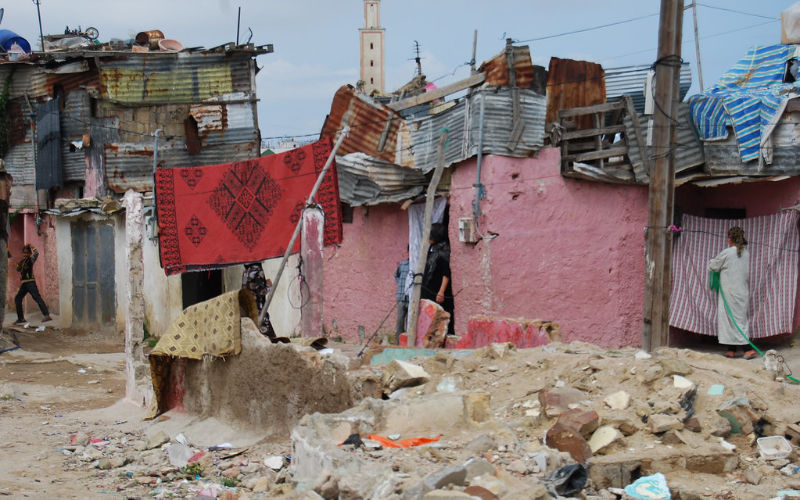
Casablanca relocation program: 1000 families resettled in Hay Hassani
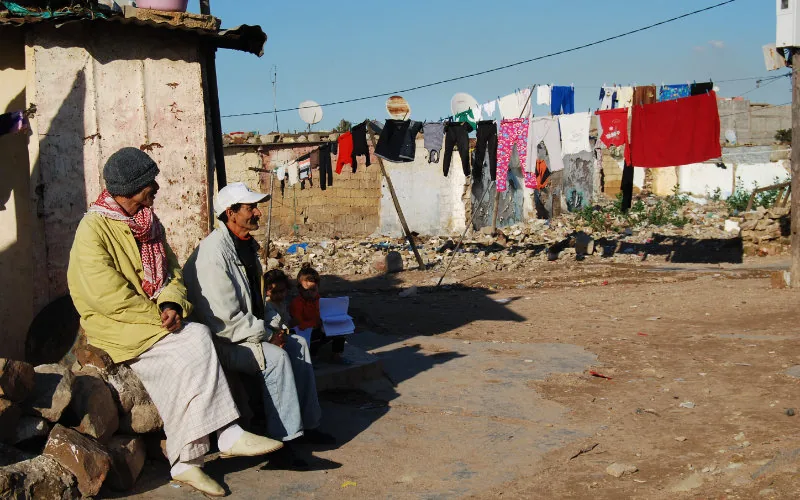
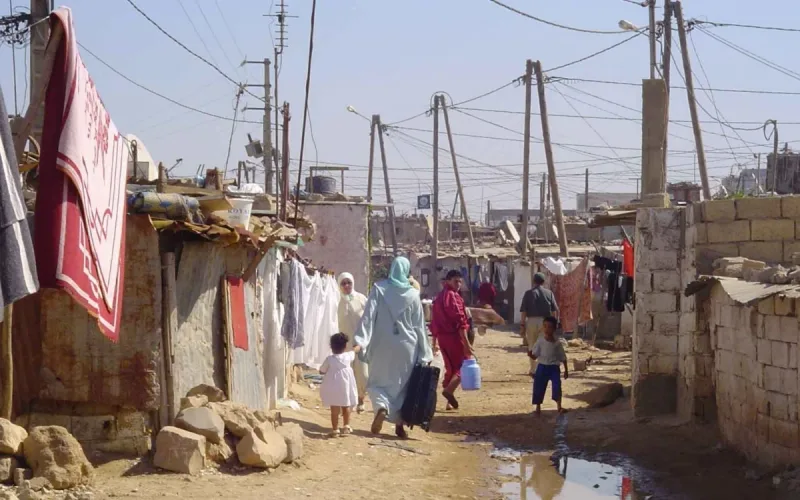
In Casablanca, the relocation program underway in Hay Hassani is progressing, but continues to spark debate. More than 1,000 families living in unsanitary housing clusters have already been resettled within the district’s perimeter.
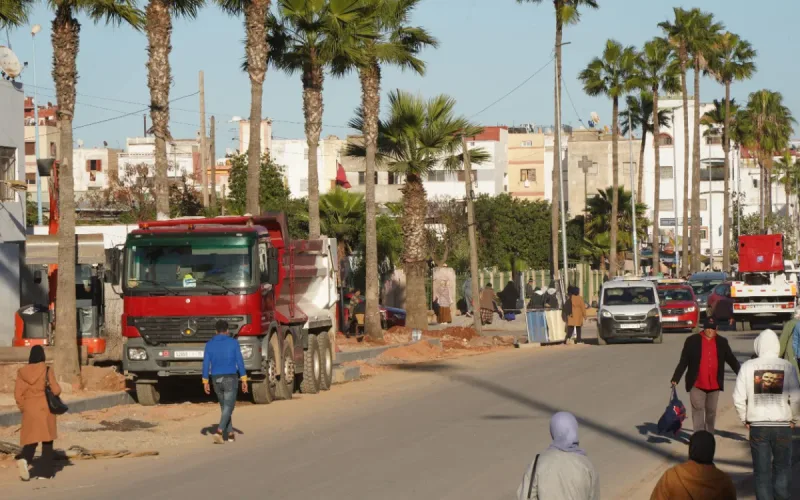
Salah-Eddine Chenguiti, vice-president of the Hay Hassani district council and deputy of the Authenticity and Modernity Party (PAM), was responding to calls from elected officials demanding acceleration of the evacuation of several villages and informal housing settlements in this part of Casablanca. He affirms that the chosen option does not consist of relocating the affected households to other areas of the metropolis, but rather proposing housing solutions within the same administrative territory.
On Bladi.net : Casablanca Launches Massive Relocation Plan to Eradicate Slums by 2027
A relocation within the same perimeter
This approach aims, according to him, to preserve the social stability of the families concerned, by avoiding cutting them off from their usual environment, their loved ones, schools, or their daily activities. Households notably from Douar El Haj Abdesslam have thus been directed toward projects located in Hay Hassani, including that of Al Wahda in Riad Al Oulfa.
The program concerns a total of approximately 2,600 families. According to figures provided by Salah-Eddine Chenguiti, more than 1,000 have already been relocated, while other operations are to continue during the remainder of 2026 and in 2027.
The project focuses not solely on housing construction. It also provides accompanying public facilities, including schools, middle schools, a multipurpose center, spaces dedicated to women, a police station, and other infrastructure designed to support family settlement.
On Bladi.net : Casablanca Accelerates Slum Demolition in Push for Urban Renewal
The PAM official thus defends a project with a social dimension, believing that its success should be measured by concrete improvements in residents’ living conditions, rather than by the political controversies surrounding the matter.