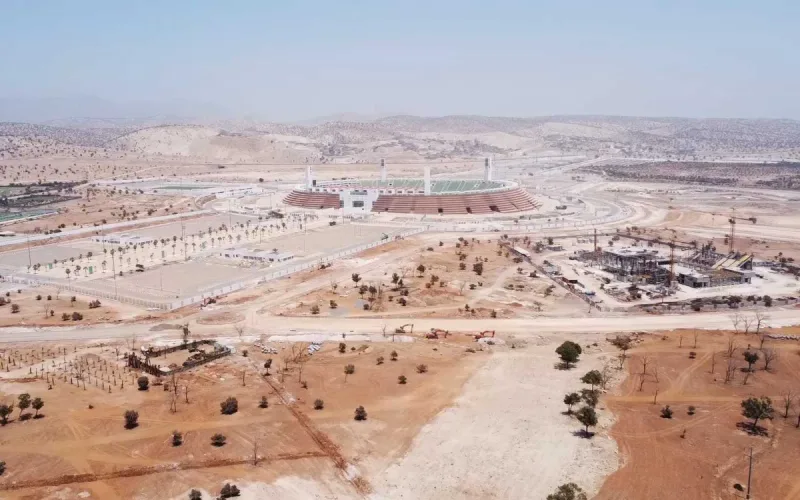
CAN 2025: The new stadiums, showcases of "made in Morocco" expertise
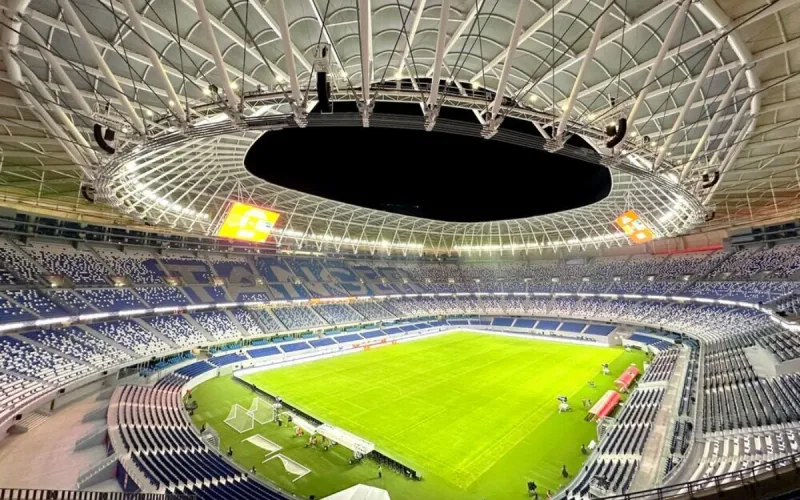
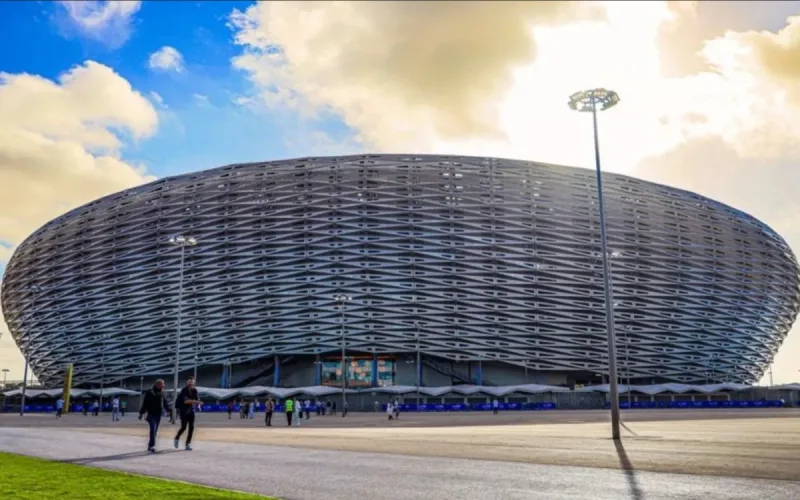
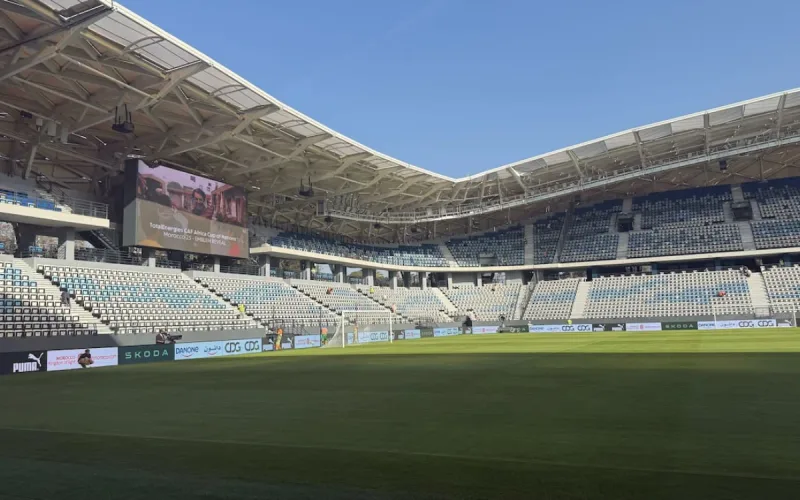
As the Africa Cup of Nations is in full swing in the Kingdom, the quality of sports facilities impresses observers. These architectural gems are the result of the expertise of a qualified Moroccan workforce, whose preservation and enhancement have now become a strategic national issue in the face of the risk of brain drain.
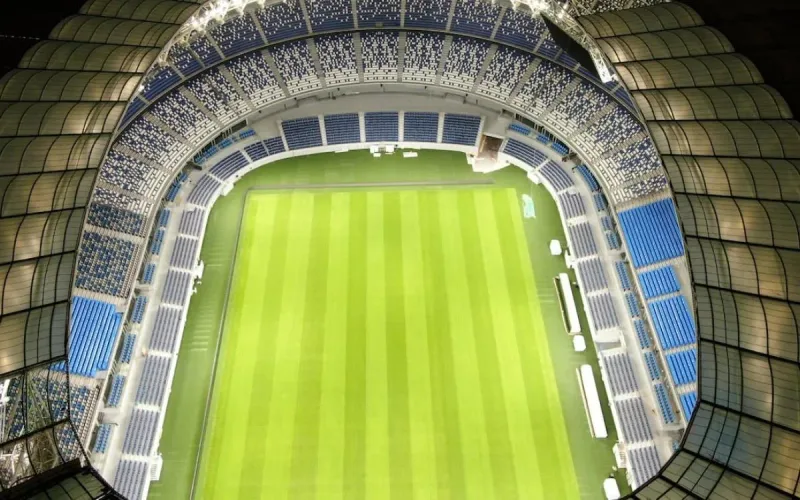
The 35th edition of the CAN, currently taking place on Moroccan soil, acts as an exceptional showcase for national civil engineering. The stadiums hosting the matches since December 21 have highlighted a spectacular upgrade in local skills. Amin El Mernissi, a real estate expert interviewed by Hespress, points out that the Kingdom has reached a decisive milestone: the era when the country was almost exclusively dependent on foreign companies, particularly Turkish or French, is over. Now, it is national companies, supervised by an elite of Moroccan engineers and technicians, who are leading these titanic projects.
This technical autonomy is not limited to sports venues but extends to bridges, roads and major engineering works. To meet tight deadlines - sometimes the construction or renovation of a stadium in a single year - Moroccan companies have massively invested in continuing education and cutting-edge technologies. This expertise now allows Morocco to compete with the great nations and to position itself as a credible candidate to host a World Cup final.
However, this resounding success must not mask a more complex social reality. The Secretary General of the Democratic Labor Organization (ODT) warns against the precariousness threatening these artisans of Moroccan success. If engineers oversee projects to American or Chinese standards, like the large university hospitals in Rabat, they remain vulnerable to the temptation to leave. The trade unionist calls for an urgent revaluation of wages and working conditions to curb the "brain drain", a scourge that is already severely affecting the health and education sectors.
The analysis also reveals a "strange contradiction" within the construction sector. While the state’s major projects generally offer security and modern equipment, part of the private sector continues to operate under deplorable conditions. Many workers, often from regions like Errachidia or Ouarzazate, still suffer from long working hours, meager wages and a lack of social protection. For experts, ensuring the dignity and financial stability of these workers is the only way to perpetuate Moroccan excellence in infrastructure.