
Brussels funds Morocco’s 5G, but shuts the door on high-risk suppliers
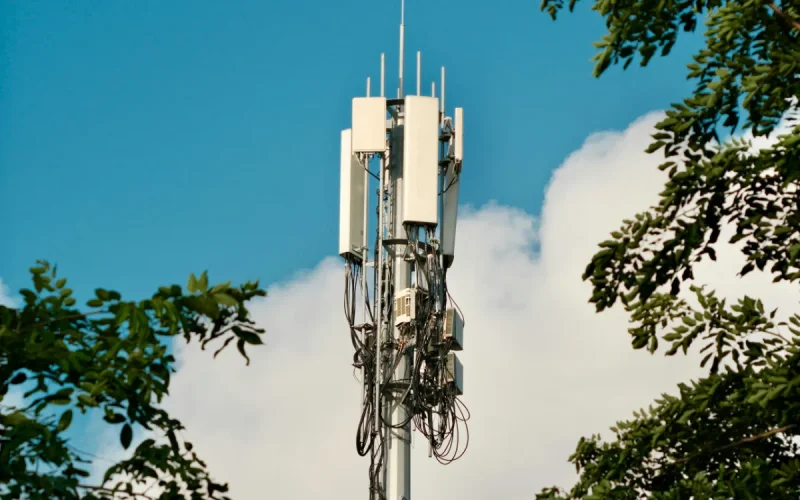
The European Union is committing 20 million euros to Morocco’s digital transformation, particularly in 5G, cloud computing and artificial intelligence. But its funding excludes equipment from suppliers it classifies as high-risk, a category notably targeting Huawei and ZTE.
The European Commission has approved a maximum contribution of 148 million euros for Morocco under its 2026 action programme. This funding covers several sectors, including economic and social resilience, youth and digital transformation, according to the decision adopted on 29 July 2026.
Of this amount, 20 million euros are earmarked for the Support Programme for the Digital Partnership between the European Union and Morocco, or PAP-NUM. Planned for an indicative period of 72 months, the programme is intended to bring Moroccan rules closer to European standards, strengthen cybersecurity and support the development of digital infrastructure.
The initiative notably concerns 5G, very high-speed broadband in rural areas, undersea cables, data centres, sovereign cloud and artificial-intelligence ecosystems. It also provides support for the capacities of the National Telecommunications Regulatory Agency, the National Commission for the Control of the Protection of Personal Data and the General Directorate for the Security of Information Systems.
Brussels will not, however, directly finance the construction of infrastructure or the purchase of antennas. The annex devoted to the EU-Morocco digital partnership specifies that European aid will mainly cover studies, project preparation and structuring, as well as regulatory adjustments and skills development. Additional funding may subsequently be mobilised through European investment and guarantee mechanisms.
On Bladi.net : Moroccan Telecom Giants Form Surprise Alliance, Invest $420 Million in Infrastructure
This intervention comes as 5G was officially launched in Morocco in November 2025. The kingdom is now seeking to expand its coverage, particularly in underserved areas, while integrating the deployment of the new networks into the Morocco Digital 2030 strategy.
Huawei and ZTE in the European crosshairs
A condition included in the programme could nevertheless affect the choice of equipment manufacturers. The Commission states that no equipment from a supplier considered to pose a high risk may be financed by it or by its financial partners.
The Moroccan document does not directly name any company, but it refers to the European communication of 15 June 2023 on the security of 5G networks. In that text, the Commission considers that Huawei and ZTE pose significantly higher risks than other 5G technology suppliers. It deems justified the decisions taken by several Member States to restrict or exclude these two Chinese groups from their networks.
This clause does not mean that Morocco is banning Huawei or ZTE. It applies only to equipment that would be financed by the European Commission or its partners במסגרת the programme. Moroccan operators therefore remain free to work with these suppliers on projects financed with their own funds or by other investors.
On Bladi.net : Orange’s Winning Strategy in Morocco
For projects wishing to benefit from European support, however, the technological choice will be closely regulated. Through its funding, Brussels is no longer merely supporting Morocco’s digital transformation: it is also exporting its security policy and its restrictions on Chinese equipment manufacturers.
Related Articles
-

She was supposed to leave Switzerland, then returned to her husband: this Moroccan woman saves her residence permit
26 August 2026
-

Casablanca-Algiers-Tunis: AfDB brings back $3.8 billion train project
26 August 2026
-

Saudi Arabia sells nearly nine times more to Morocco than it buys from it
26 August 2026
-

Up to 72 hours without electricity: Morocco sends technicians and equipment to Nouakchott
26 August 2026
-
Algeria promises to “hurt” Morocco with 2.4 million tonnes versus 15 million for OCP
25 August 2026