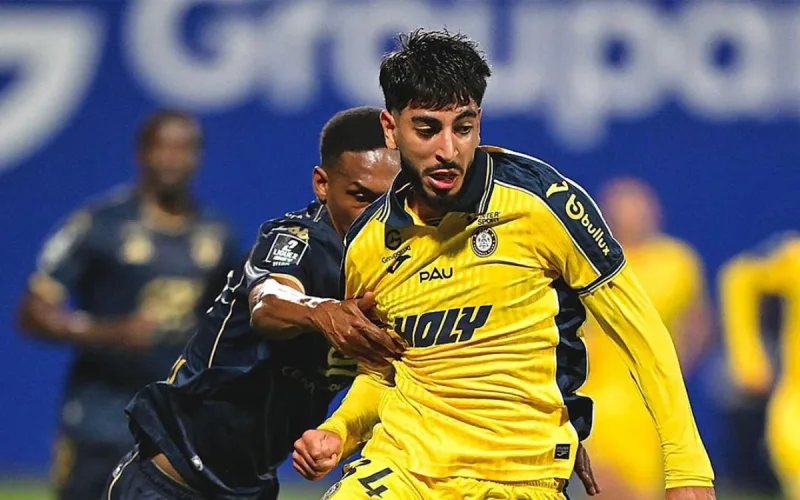
Yassine Jebbour: From Moroccan Football Star to Mental Health Therapist
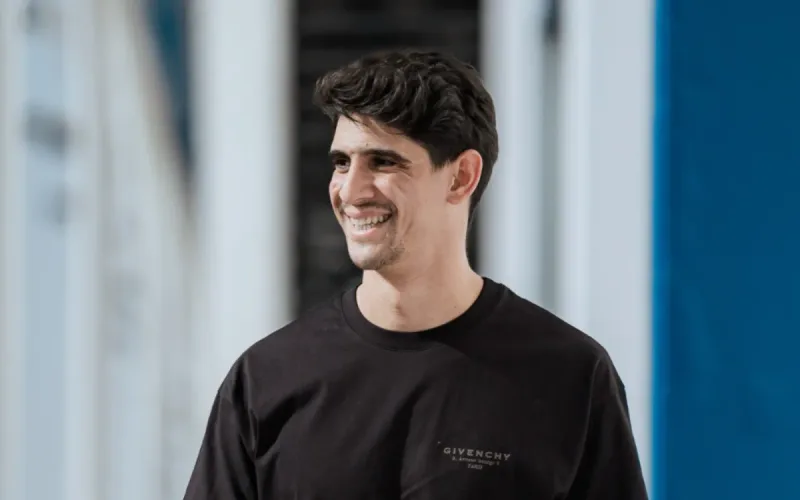
Former Moroccan international trained at PSG, Yassine Jebbour left professional football at 25 to become a Gestalt therapist. Today, he denounces the persistent taboo surrounding mental health in a world that prioritizes the image of the all-powerful athlete.
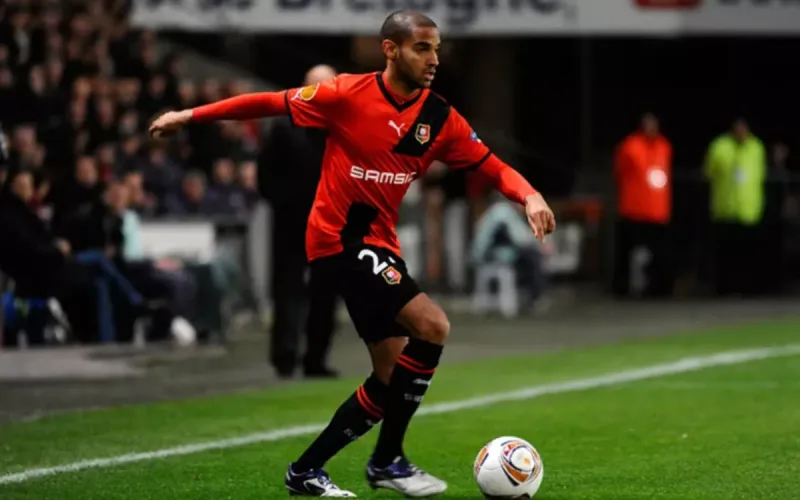
Trained at Paris Saint-Germain and having played for Rennes and Montpellier, the defender, who earned two caps for Morocco, abruptly ended his career in 2016. Then under contract with SC Bastia, he chose to step away out of personal conviction, saying he no longer felt “comfortable” with the values of professional football, Nice Matin reports.
On Bladi.net : Yassine Bounou, Al Hilal and the Bayern Munich Transfer That Never Happened
This radical shift toward Gestalt therapy, a method of exploring the past to encourage “movement,” required five years of training. For the former player, this choice reflected a deep desire to experience “something else” after concluding that his journey on the pitch had come to an end.
Now based in Nice, Jebbour combines his work as a therapist with a role as a mentor to footballers. He draws on his elite-level experience to help players manage doubts and the demands of excellence, saying that his “path lay elsewhere” than in pure competition.
Mental health and taboos in professional football
The former defender highlights the football world’s resistance to psychological issues, particularly among young players. He believes the subject is not taken seriously enough, noting that his own career would have been “far more turbulent” without the support of a mental coach from the age of 21.
Despite some players, such as Samuel Umtiti and Florian Thauvin, helping open up the conversation, Jebbour regrets that most professionals still suffer in silence. He refers to a “super-powered footballer policy” that is merely a facade concealing the real pressures linked to money, performance and those around them.
On Bladi.net : Achraf Hakimi Rape Case: Complainant’s Lawyer Responds
The therapist regrets the distance maintained by major French clubs regarding structured psychological support. Convinced that there is a “development avenue” for improving supervision, he calls for breaking the image of the fearless athlete in order to face the reality of hidden vulnerabilities in training centers and dressing rooms.