Morocco
Casablanca's Iconic Corniche Razed for 2030 World Cup Makeover
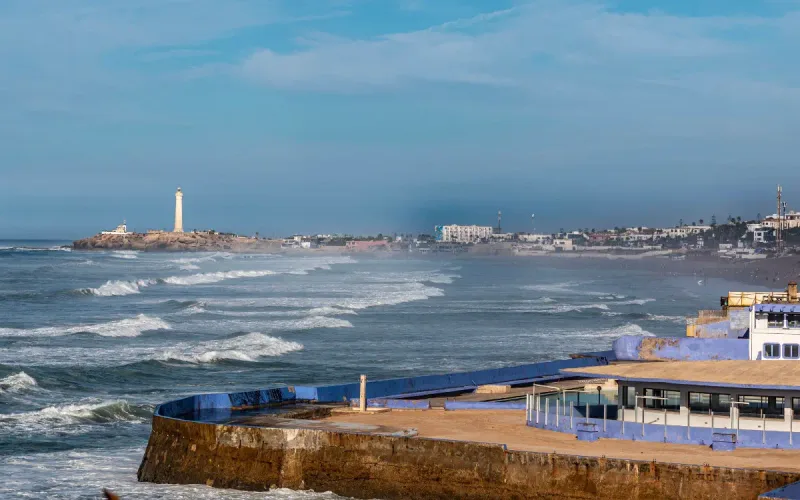
A large-scale demolition operation began this Friday on the Aïn Diab Corniche in Casablanca, marking a key step in the city’s preparation for the 2030 World Cup.

A large-scale demolition operation began this Friday on the Aïn Diab Corniche in Casablanca, marking a key step in the city’s preparation for the 2030 World Cup.
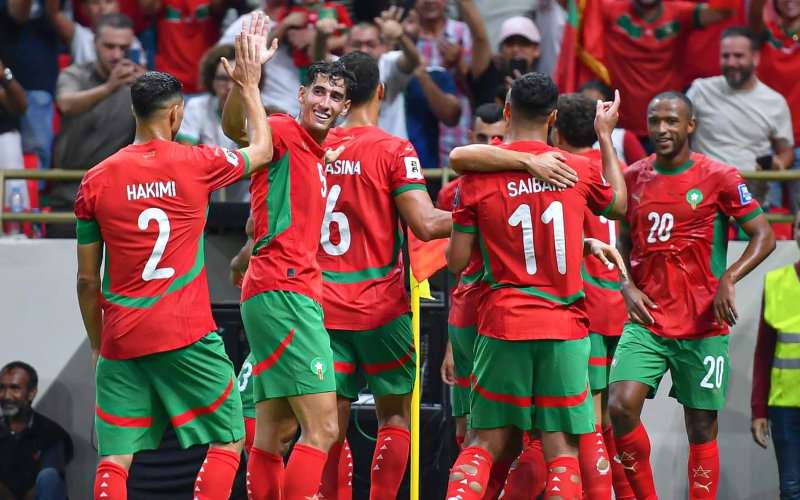
Gianni Infantino, the President of the Fédération Internationale de Football Association (FIFA), met in New York with his counterpart from the South American Football Confederation (CONMEBOL), Alejandro Domínguez, to discuss increasing the number of teams participating in the 2030 World Cup from 48 to 64.
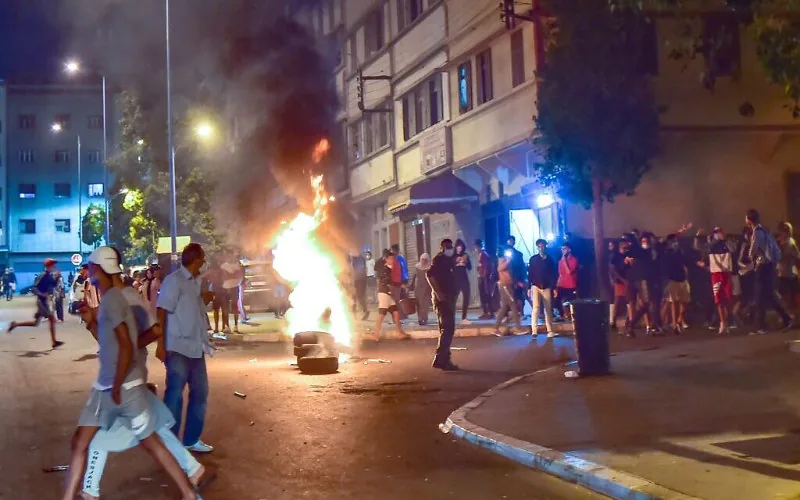
If there is a challenge that Morocco must meet before hosting the Africa Cup of Nations (CAN 2025) and the 2030 World Cup with Spain and Portugal, it is certainly the banishment of incivility, a daily scourge. A survey conducted in May reveals that the phenomenon has spread throughout the kingdom.
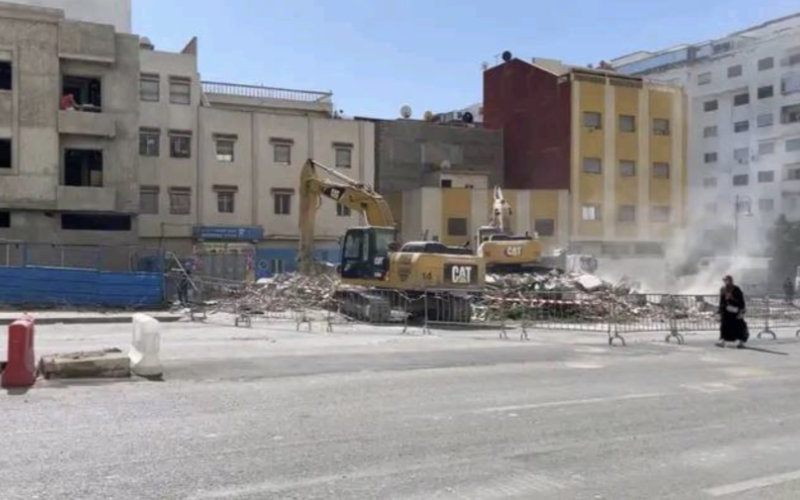
Major land works aimed at improving infrastructure, particularly in the vicinity of the Ibn Battouta stadium, have been undertaken as part of the preparations for Morocco’s hosting of the 2025 Africa Cup of Nations (CAN) and the 2030 World Cup. Several demolitions have been carried out by the authorities.
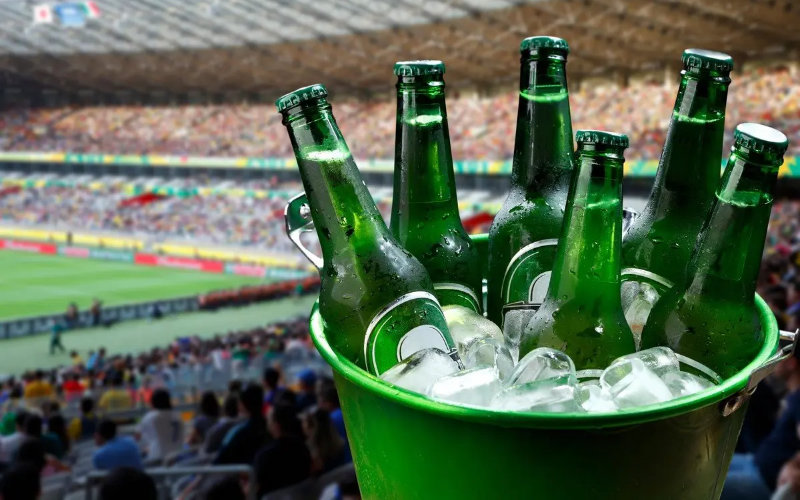
Le Maroc étudie la consommation d’alcool par les supporters étrangers lors du Mondial 2030. Des zones spécifiques pourraient être créées pour concilier la loi et l’accueil des fans.
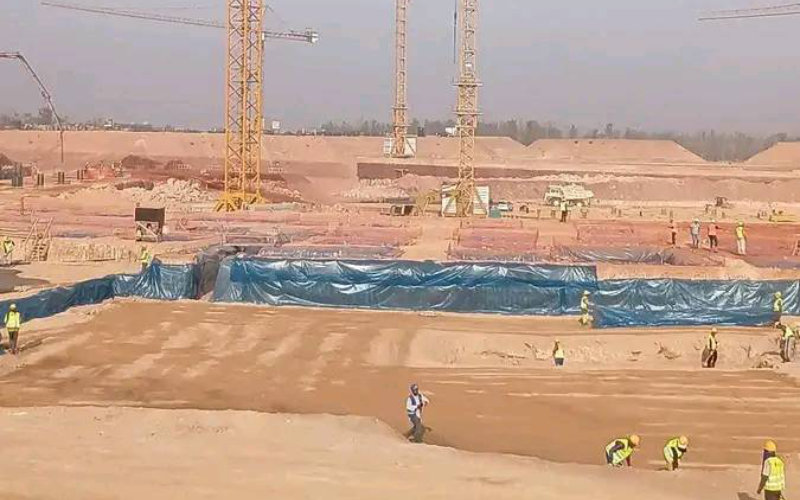
After the completion of the stadiums in Rabat and Tangier, a new sports infrastructure project is being highlighted in Morocco, the Hassan II stadium, planned in the city of Benslimane. According to the details of the project, this facility is intended to become the largest in the world in terms of capacity.
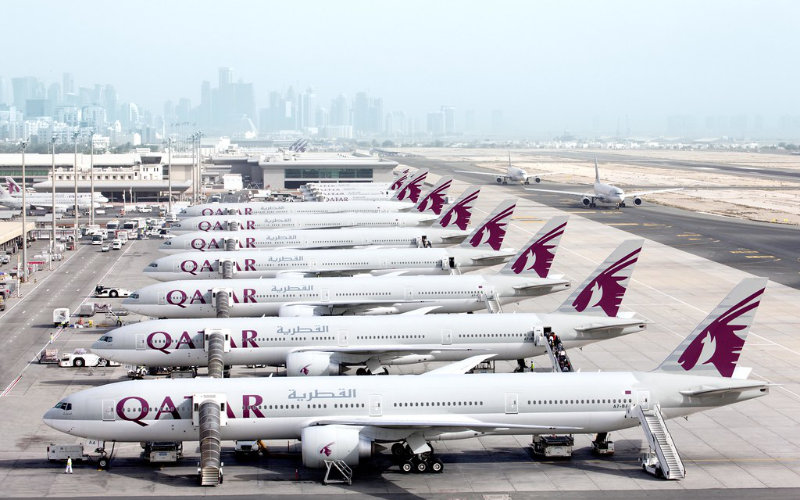
Royal Air Maroc (RAM) is pursuing its expansion program aimed at bringing the airline’s fleet to an unprecedented level before the 2025 Africa Cup of Nations (CAN Morocco 2025) and the 2030 FIFA World Cup. The company has just acquired new aircraft.
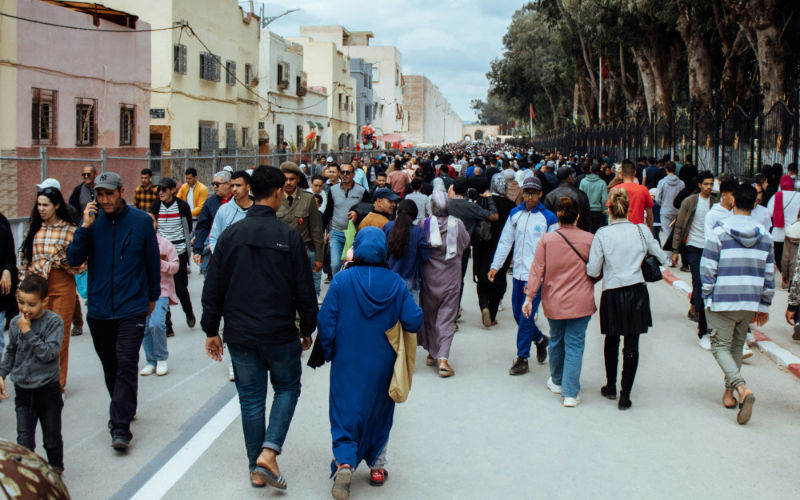
If there is a real challenge that Morocco must meet before hosting the 2030 World Cup together with Spain and Portugal, it is the incivility observed in public spaces.
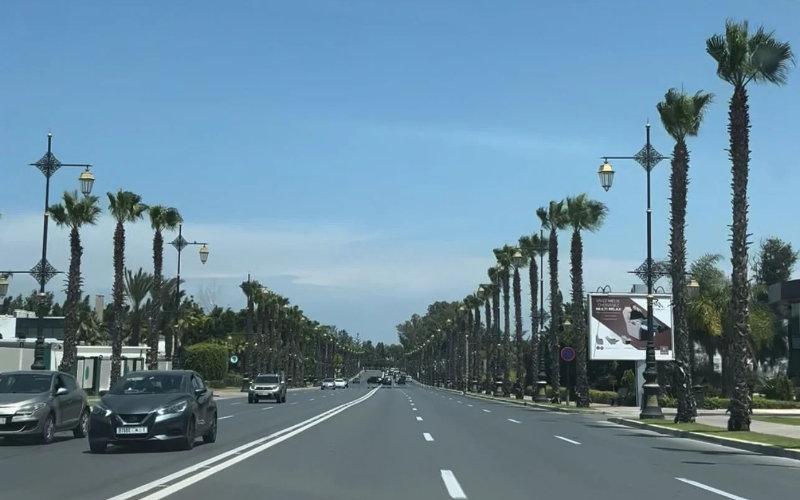
Omar El Hayani, municipal councilor of the Federation of the Left, sees the project to widen Mohammed VI Avenue, in the Souissi district of Rabat, in a bad light. This is one of the major construction sites opened by Morocco in the context of hosting major sporting events such as the Africa Cup of Nations (CAN) and the World Cup.
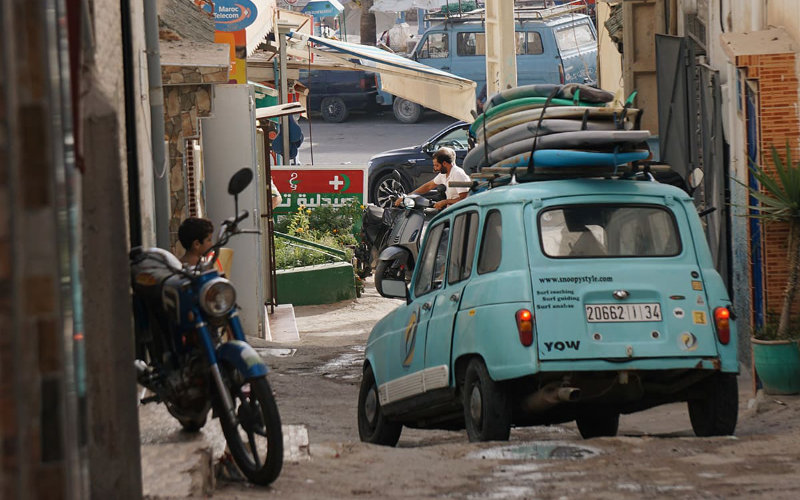
As it prepares to host continental and global football competitions such as the Africa Cup of Nations (CAN 2025) and the 2030 World Cup, Agadir is facing a major problem: monstrous traffic jams every summer. The cause is the delay in the completion of a vital section.
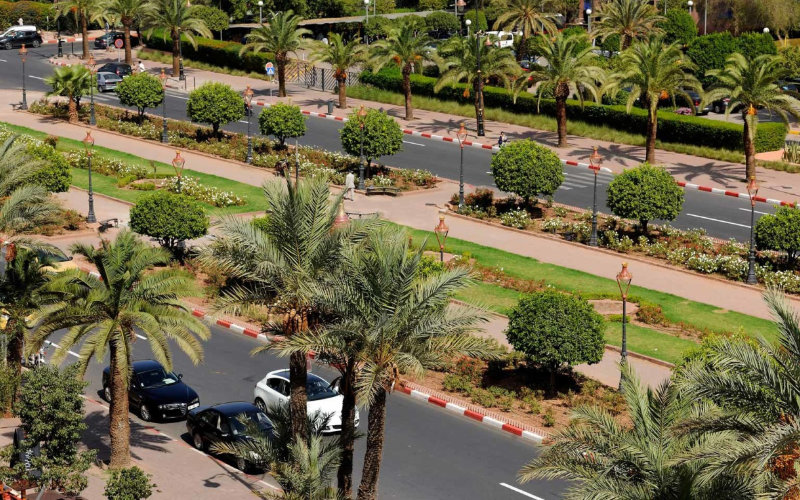
In Rabat, a major project among the major construction sites opened as part of the organization of the 2030 World Cup is taking over vast lands belonging to a former Minister of the Interior and other high-ranking Moroccan and foreign personalities.
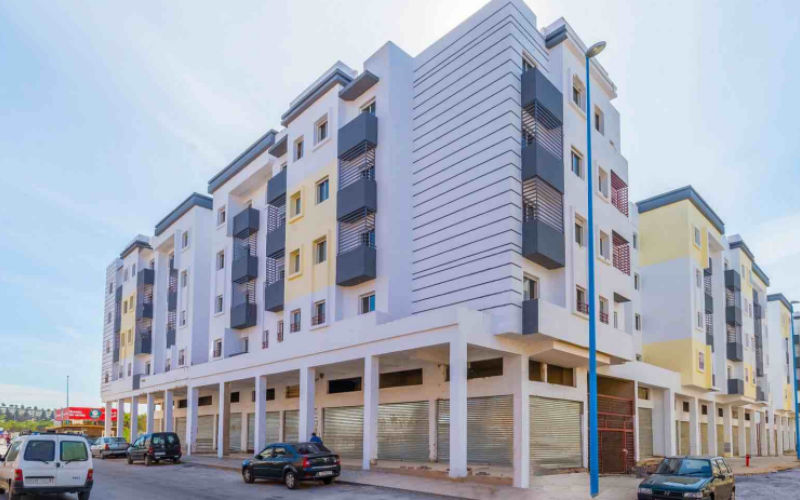
Adil El Maaroufi, a professor-researcher at the Multidisciplinary Faculty of Errachidia, sounds the alarm: the future of real estate investments related to the 2030 World Cup is linked to their ability to be transformed into components serving sustainable development.