
War in Iran, El Niño: Morocco Threatened by New Food Crisis
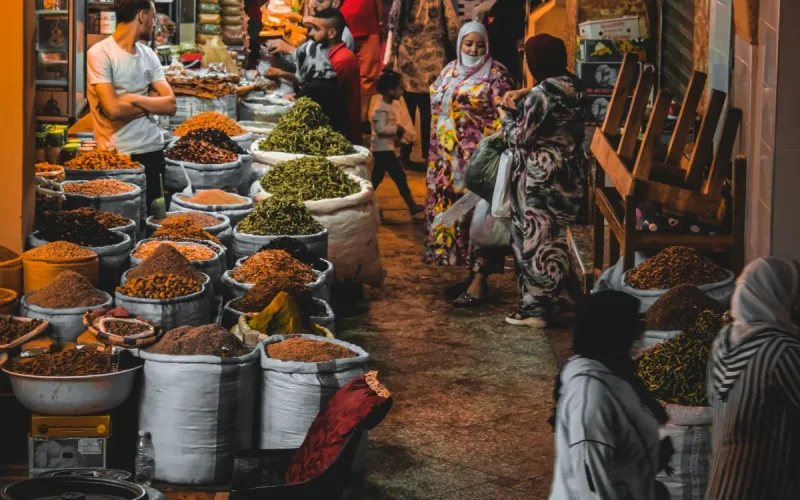
The consequences of the Iranian conflict, combined with the return of the El Niño climate phenomenon, threaten global food security. Dependent on imports, Morocco is among the countries most exposed to this surge in agricultural commodity prices.
The world is facing an unprecedented double upheaval that is weakening agricultural production. On one hand, the war in Iran is paralyzing gas and fertilizer exports from the Gulf, triggering a surge in prices for these inputs of 20 to 40 percent. On the other hand, the return of the El Niño weather phenomenon, synonymous with droughts and devastating floods, promises to severely disrupt future global harvests of wheat and corn.
On Bladi.net : Strait of Ormuz: The blockade that threatens to paralyze Moroccan phosphates
In this explosive global context, many countries find themselves on the front lines. According to a geopolitical analysis published by Lawfare, Morocco is among the nations most vulnerable to these food price shocks due to its heavy dependence on imports. The kingdom is identified as a genuine regional "bulwark of stability," a strategic position that risks being severely tested by this situation.
This emerging food insecurity is indeed reviving fears of large-scale political destabilization. Historically, sharp increases in commodity prices have proven to be a reliable recipe for triggering social unrest, as evidenced by poor harvests that partly triggered the Arab Spring. Importing states must confront these threats while budgets allocated by major powers to humanitarian aid are in sharp decline.
On Bladi.net : Soaring Oil Prices: Morocco Threatened by Inflation Wave
To overcome this crisis in the long term, policymakers are called upon to rethink their agricultural models. It becomes imperative to invest in climate-resilient systems, optimize fertilizer use, and move away from fragile fossil fuels. Climate action is now essential as an "indispensable ingredient for sustainable global security," in order to protect populations against future shocks.
Related Articles
-
220 dirhams on construction sites, up to 400 in the fields: Morocco lacks workers
25 August 2026
-
This Israeli company equips defense giants and also has clients in Morocco
24 August 2026
-
After three days in Algeria, a sanctioned Russian ship passes near Morocco
24 August 2026
-

In Brussels, a Moroccan name and being over 50: the profile most disadvantaged in hiring
24 August 2026
-

Morocco Has a New Billionaire Forbes Has Yet to Spot
24 August 2026