Tunnel Between Morocco and Spain: The Geological "Nightmare" Threatening the Project
Connecting Europe to Africa, the mega-submarine tunnel project between Spain and Morocco is taking shape. Estimated at up to 10 billion euros, this extraordinary rail infrastructure will need to overcome major geological obstacles to become a reality after 2035.
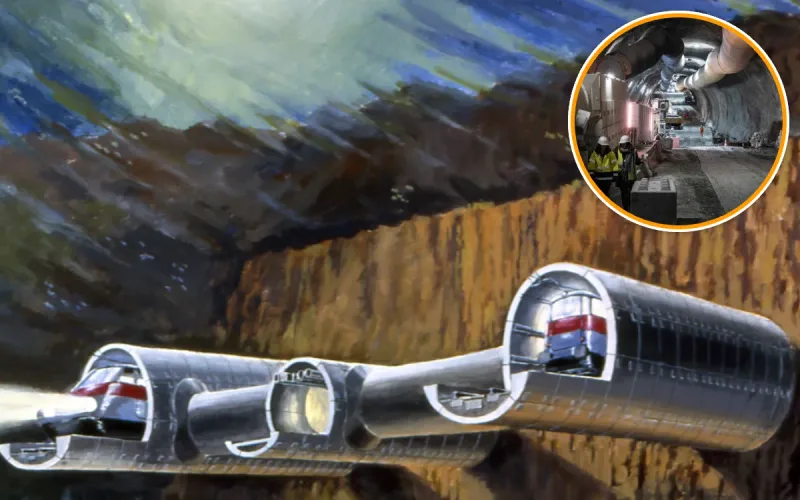
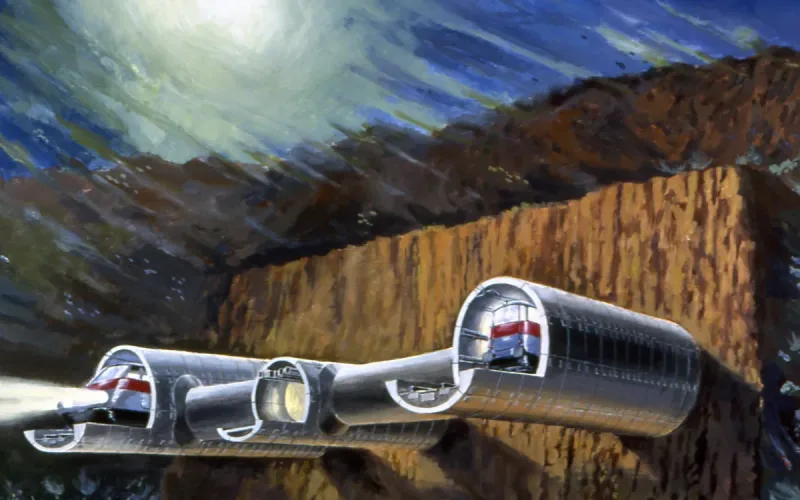
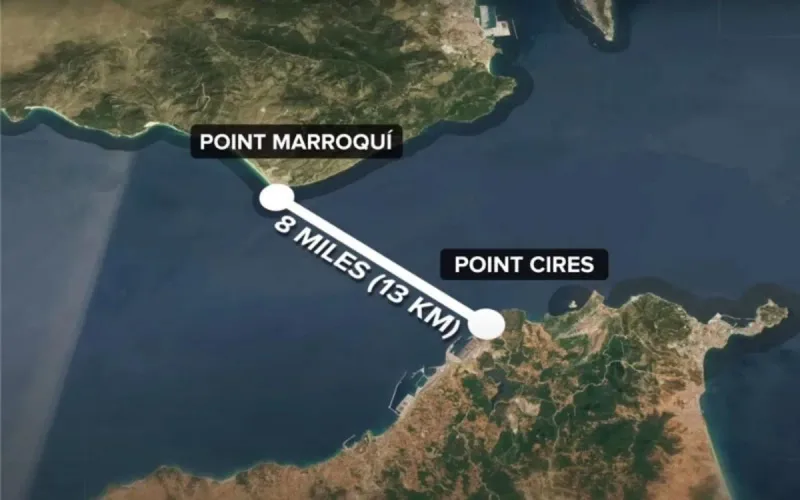
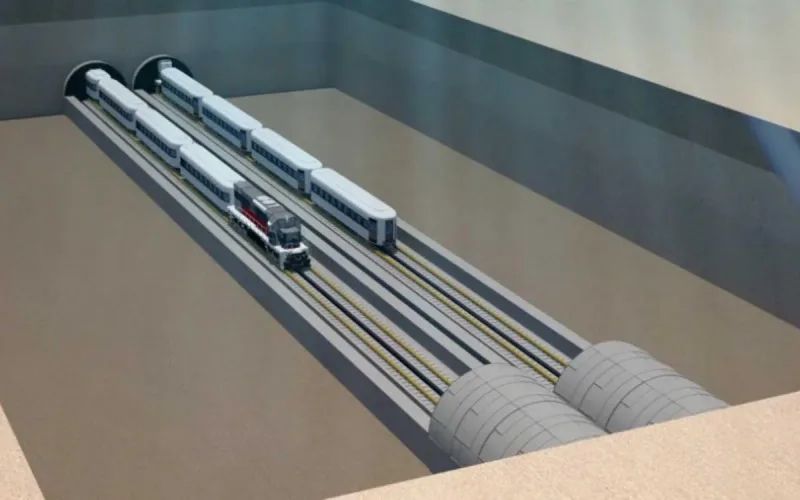
This ambitious project plans to connect Punta Paloma, near Tarifa, to Punta Malabata, in the vicinity of Tangier. The route would extend over a 42-kilometer corridor, of which 27.7 kilometers would be beneath the ocean floor, reaching a maximum depth of 475 meters. According to data reported by Okdiario, the overall cost would range between 7.5 and 10 billion euros. The passage of private vehicles was ruled out from the start. The structure will house three parallel galleries: two dedicated to passenger and freight rail traffic, and a third central gallery reserved for services and emergencies.
On Bladi.net : Morocco-Spain Tunnel Reaches Decisive Milestone, But Not for 2030
The technical design meets stringent safety requirements. The Spanish Society for Studies on Fixed Communication of the Strait of Gibraltar (SECEGSA) specifies that the rail tunnels will have an interior diameter of 7.90 meters. Transverse galleries will connect the entire system every 340 meters. To prevent any serious incident, "the construction of a Secure Parking Area (ZAS) is planned at the lowest point of the tunnel," including intervention spaces and a complete smoke extraction system.
Engineering, however, faces a highly complex natural barrier: the Camarinal Sill. This veritable underwater mountain, located at 280 meters depth, separates the Mediterranean from the Atlantic Ocean. The geology of this zone proves particularly capricious. Scientific research describes a highly irregular and deformed rock structure. Moreover, the dynamics of Atlantic ocean currents generate constant cyclonic whirlpools, considerably complicating future drilling operations within this sedimentary subsoil.
On Bladi.net : Spain-Morocco in 30 minutes: The 65 km submarine tunnel reaches a historic milestone in 2026!
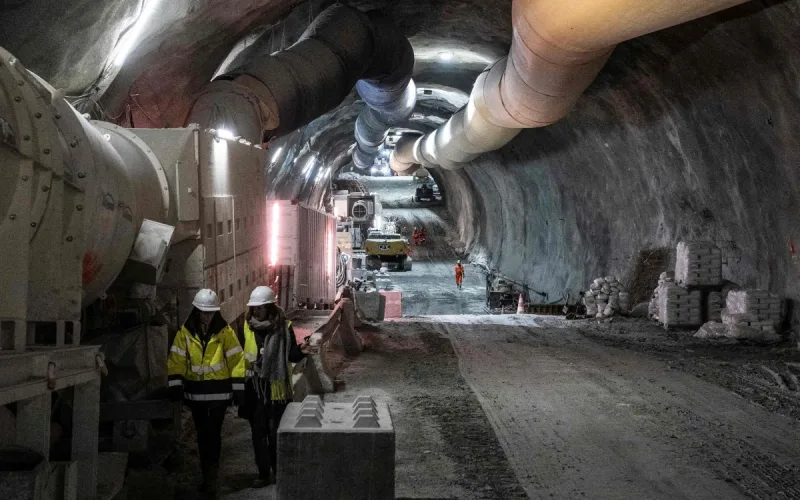
Despite these difficulties, studies are advancing cautiously. The year 2024 marked a small milestone with an order placed with German company Herrenknecht, a world leader in large-scale tunnel boring machines. The construction timeline promises to be particularly lengthy. The development of a first exploratory gallery alone will require between six and nine years of continuous work. This technical constraint logically pushes any commercial operation of the line beyond 2035.