Tomatoes become a luxury in Morocco, the 14 dirham mark crossed
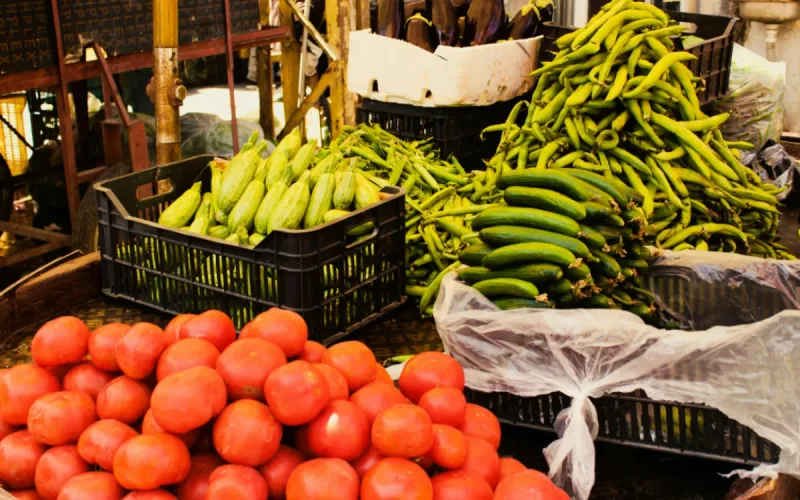
At 14 dirhams per kilo, the tomato becomes inaccessible for many Moroccan households. Faced with this unprecedented surge, professionals denounce a massive export to Europe and Africa that empties the domestic market and asphyxiates purchasing power.
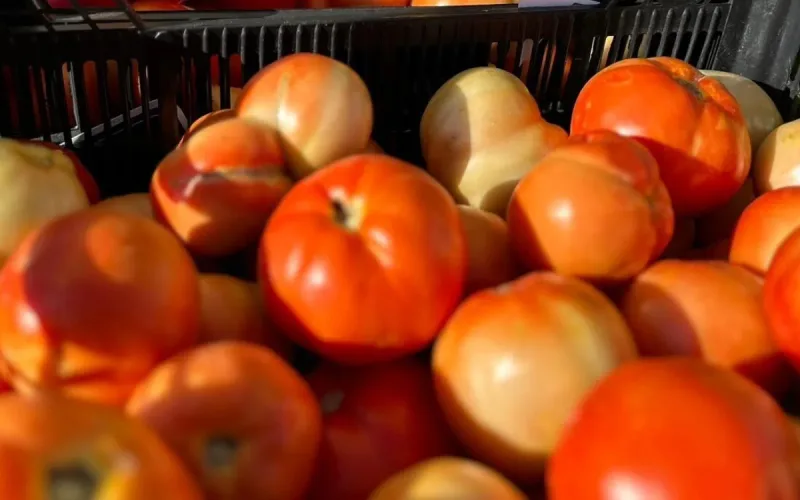
The kilogram of tomato is now approaching the 14 dirham mark in the markets of the Kingdom, causing strong discontent among consumers. This brutal increase in an essential basic product is explained, according to the players in the sector, by a systematic priority given to sales abroad. Despite an improvement in water resources this year, the national stalls are emptying in favor of international markets, creating an artificial shortage and an inflationary spiral that citizens can no longer bear.
On Bladi.net: Spanish onion at 8 DH arrives in Morocco: Why our farmers are no longer a match!
Abderrazak Chabi, president of the Casablanca Wholesale Market Traders Association, directly points to a "wild export" that drains the local supply. According to a statement given to Hespress, the diversification of destinations is aggravating the situation: tomatoes rejected by Europe for strict quality standards are no longer redirected to the Moroccan consumer, but now go to the African market. This new commercial dynamic leaves the national market in distress, deprived of a balance between production and consumption.
On Bladi.net: Inaccessible in Morocco, queen in Europe: The scandal of the Zagora watermelon reserved for the rich?
To stabilize prices, professionals are calling for an immediate and strict cap on volumes shipped abroad. Abderrazak Chabi assures that only a suspension or regulation of flows would allow a rapid drop in prices. Market players urge the authorities to intervene to correct what they consider a management failure. The stakes are high: to restore access to this essential commodity in order to avoid the pressure on household budgets becoming unsustainable.