Threats from Trump on Spain: Morocco in ambush to recover US logistics infrastructure
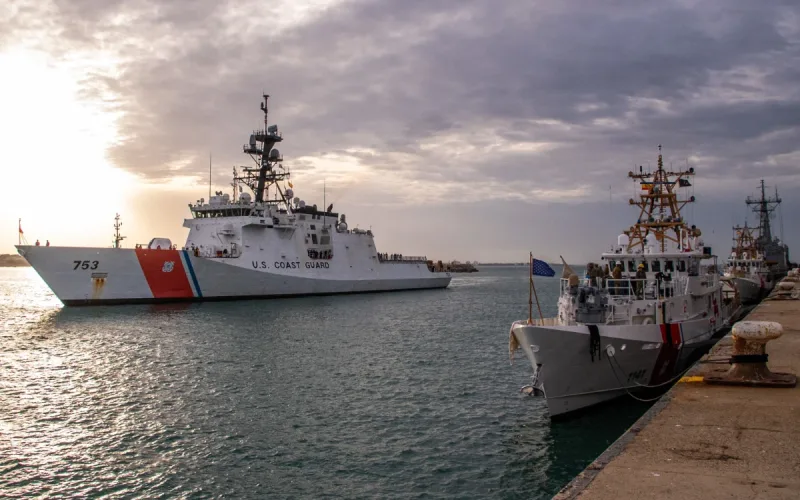
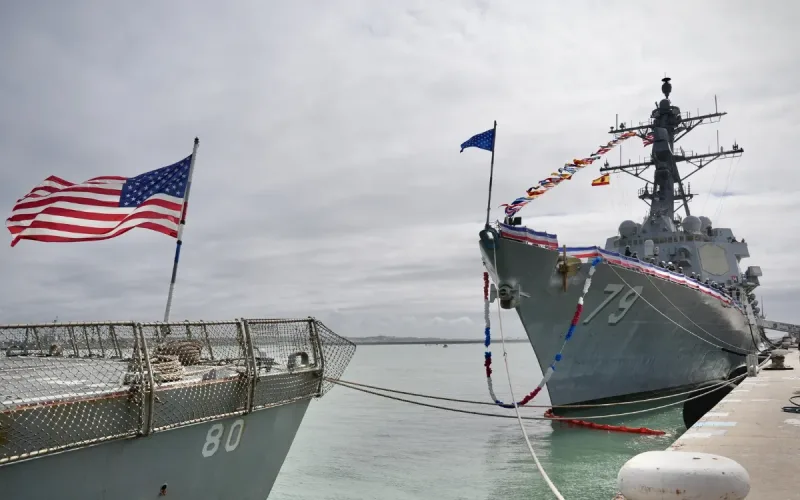
Spain’s refusal to authorize the use of its bases for strikes against Iran is causing a major crisis with Washington. In this power struggle, Morocco is emerging as a credible alternative to host American military infrastructure in the Mediterranean.
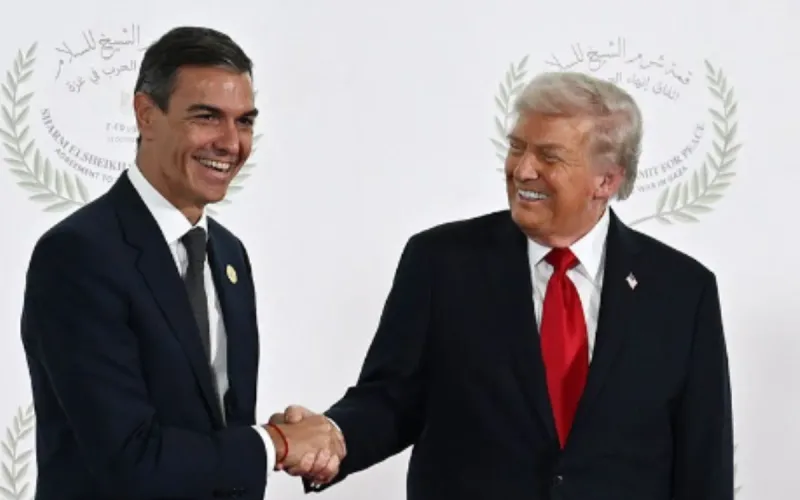
Donald Trump has strongly criticized Madrid’s decision to deny access to the Rota and Morón bases for operations against Tehran. In an exchange with Chancellor Friedrich Merz, the US president described the Spanish attitude as "terrible" and threatened trade sanctions, while claiming he could use these facilities without prior authorization.
The government of Pedro Sánchez maintains its position in the name of international law and multilateralism. Madrid refuses to be an accomplice to operations deemed contrary to its interests and values. This positioning marks a profound rupture with Washington’s strategy, which now advocates strict alignment of its NATO allies.
In this context of crisis, Morocco is positioning itself as the ideal replacement partner. Morocco is sending multiple signals of loyalty to the Trump administration, joining the "Peace Council" and offering troops for the stabilization of Gaza. Rabat also continues to facilitate the transit of arms to Israel, offering a logistical alternative to Spanish ports. Morocco, the new military pivot of the United States in the western Mediterranean.
Analysts cited by El Independiente suggest that the White House could transfer its logistics bases to the other side of the Strait of Gibraltar. Researcher Michael Walsh believes that Morocco is ready to make the necessary concessions to become the preferred ally in North Africa, thus reinforcing an already altered strategic balance in the region.
This diplomatic shift directly threatens Spain’s territorial integrity. Washington could indeed be tempted to recognize Moroccan sovereignty over Ceuta and Melilla, just as it did for Western Sahara. Such American support for Rabat’s claims would constitute an unprecedented lever of political pressure against the Sánchez government.
However, this strategy of intensive rapprochement with Washington is causing strong internal tensions in the Kingdom. Only 13% of Moroccans support normalization with Israel, according to the Arab Barometer. Paradoxically, a large part of the Moroccan population would identify more with the firmness of Madrid’s discourse than with Morocco’s current diplomacy, the same source affirms.