Tangier: Beach Vacations Ruined by Pollution?
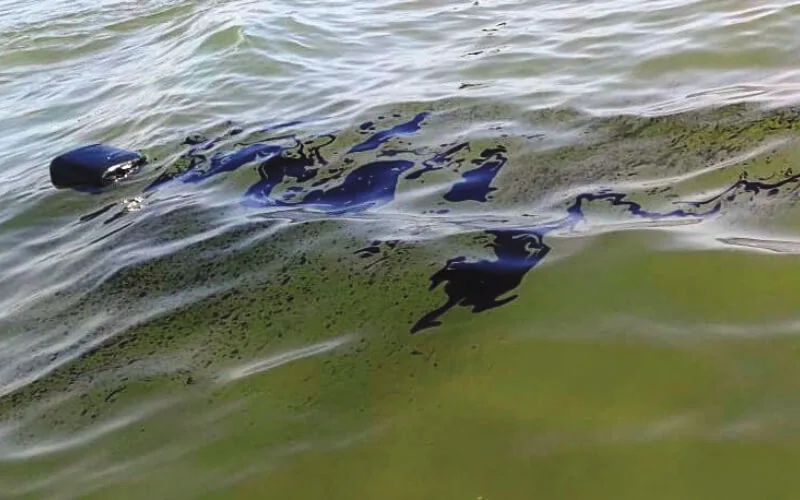
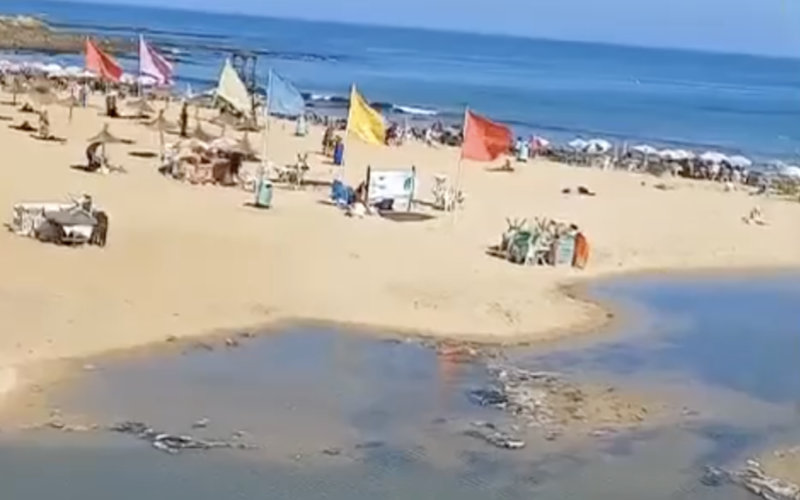
Despite a national compliance rate exceeding 95% in 2025, several beaches in the Tangier-Tétouan-Al Hoceïma region remain severely polluted. Wastewater discharge and plastic proliferation threaten local public health and safety.
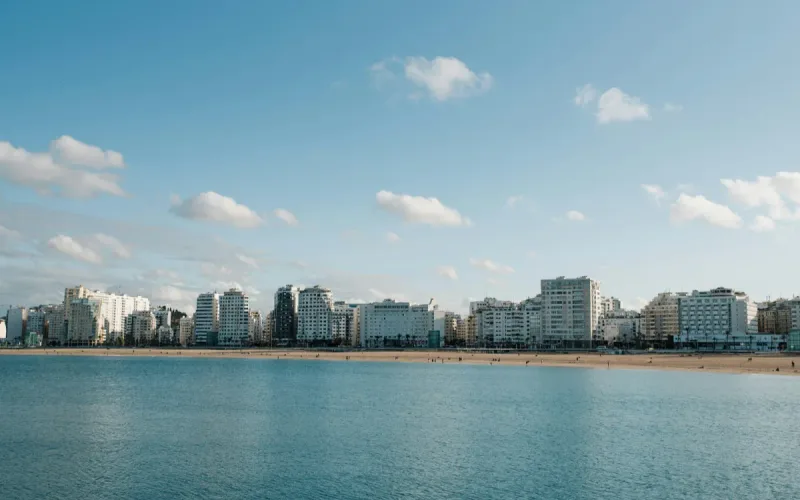
Last year, official statistics displayed extremely positive results for Moroccan bathing waters. Yet a striking contrast persists in the north of the country. Many coastal areas bordering Tangier, M’diq, Fnideq and Tétouan still fail to meet health standards. Data reveals that more than 80% of this pollution originates from land. Specifically, plastic waste accounts for 86% of this volume, aggravated by the continuous discharge of wastewater linked to the region’s intense demographic and industrial pressure.
On Bladi.net : Toxic Tide: Industrial Sewage River Swamps Popular Beaches, Authorities Silent
Facing this situation that repeats itself every summer, the president of the Observatory for the Protection of the Environment and Historical Monuments of Tangier is sounding the alarm. According to statements given to Hespress, he denounces the slowness of sanitation projects and the ineffectiveness of controls. He demands strict sanctions against illegal dumping and warns that without radical measures, "we will go in circles, repeating the same remarks every year without real change." The expert insists on the urgency of abandoning simple summer crisis management in favor of sustainable strategies involving civil society.
The causes of this coastal degradation are also structural. An expert points to the rapid expansion of precarious residential neighborhoods lacking connections to sanitation networks. This dirty water flows directly into wadis before ending up in the sea. He also highlights the technical limitations of current infrastructure. The Bouknadel station, the largest in the area, provides only primary treatment for 160,000 cubic meters of wastewater per day. This water is then pumped into the ocean, but marine currents relentlessly bring it back toward the Tangier coastline.
On Bladi.net : Sewage Pollution Threatens Popular Tangier Beach, Sparks Health and Environmental Concerns
To remedy these dysfunctions, alternatives exist, notably through the Boukhalef station which has another treatment system. However, its reuse potential remains underexploited and some treated water still ends up in the sea. The specialist recommends imposing the use of these recycled waters on construction sites or in water-intensive industries, such as chemicals or automobiles. He finally advocates for a revision of the legal framework to facilitate their agricultural use, or even for the adoption of quaternary-level treatment guaranteeing complete safety.