
Study Exposes Algerian Media Propaganda Against Morocco
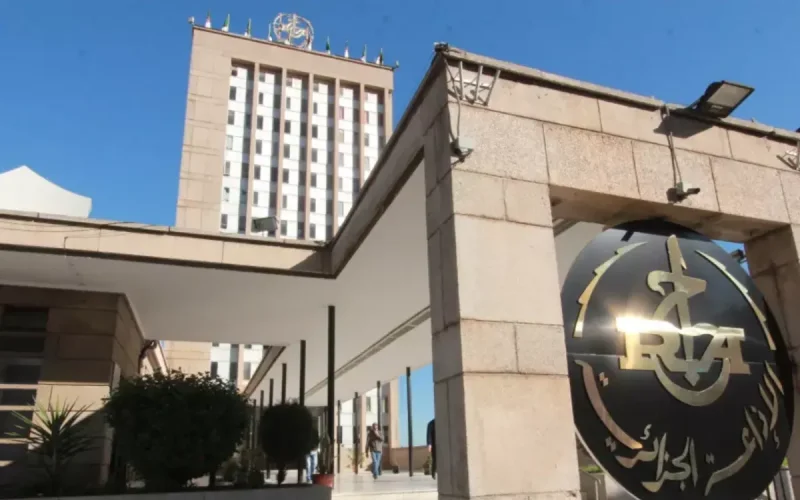
A university study accuses the APS and Algerian Radio of transforming international news into ideological narratives. Regarding Morocco, researchers note vocabulary of "repression" and "betrayal," contested accusations presented as facts, and inconsistent treatment.
The coverage of Morocco by Algerian public media would deviate from journalistic requirements of accuracy, balance and fidelity to sources. This is the conclusion of a study published in the International Journal of Linguistics, Literature and Translation by researchers at Hassan II University in Casablanca.
On Bladi.net : Support for Morocco-Israel Ties Plummets, Survey Finds
The work focuses on three representative articles: two dispatches from the official agency Algeria Press Service devoted to the conflict between Israel, Iran and the United States, as well as an article from Algerian Radio on relations between Morocco and Israel.
For the Moroccan section, researchers dissect an article titled "Morocco: unlimited normalization with the Zionist entity and crackdown". According to their analysis, the text does not merely criticize Rabat’s foreign policy. It constructs Morocco as the actor in a series of moral wrongs: "betrayal," "repression," abandonment of the Palestinian cause and complicity with Israel.
The chosen verbs systematically place the Moroccan state in the position of the accused. The "Moroccan regime" is presented as ignoring crimes, defying popular will, turning its back on a just cause or "fiercely" repressing pro-Palestinian activists. For the authors, this accumulation transforms diplomatic and political decisions into a moral narrative opposing the guilty to the victims.
The study also notes a significant omission. Algerian Radio presents the rapprochement with Israel as proof of abandoning Palestine, but does not recall that the tripartite declaration signed in December 2020 officially reaffirmed King Mohammed VI’s "constant and unchanged" position on the Palestinian question.
Another example: the docking of ships in Moroccan ports is used as evidence of military collaboration with Israel. Yet Maersk formally rejected accusations claiming its vessels transported weapons or ammunition to Israel. The Danish group denounced suppositions presented as facts and misleading use of public data. This contestation does not appear in the narrative studied.
Researchers finally point out a double standard. When Algerian authorities limit certain expressions in the name of law, public order or national cohesion, these measures are presented as legitimate and protective. When comparable practices are attributed to Morocco, Algerian Radio directly qualifies them as "repression."
The analysis of APS articles reaches a similar conclusion about source manipulation. The authors notably claim to have identified the addition of an ideologically charged expression to a statement by UN Secretary-General António Guterres, when these words did not appear in the original text.
The study concludes there is strong proximity between Algerian government discourse and that of public media. It estimates that international information is regularly reorganized around narratives of conspiracy, aggression, loyalty or betrayal, risking the disappearance of the boundary between information and propaganda.
On Bladi.net : Houthi Leader Slams Morocco’s Ties with Israel, Praises Anti-Normalization Protests
Researchers acknowledge, however, the main limitation of their work: the detailed analysis is based on only three articles. It provides specific and verified examples, but does not constitute a quantitative study of all content published by Algerian media.
Related Articles
-

Six stations for 480 million dirhams: the LGV project transforms the Kénitra–Casablanca corridor
17 September 2026
-

“ We do not agree 100% with Israel”: Bourita explains why Morocco maintains its relations
17 September 2026
-

This Rabat neighborhood becomes the second coolest in the world, ahead of Los Angeles and Tokyo
17 September 2026
-
Russia, Iran, Belarus: Hapag-Lloyd imposes a new clause on all its cargo passing through Morocco
17 September 2026
-
Five days to deliver to Morocco a military cable capable of withstanding nearly 1,100 °C
17 September 2026