New Strait of Hormuz": The Nigeria-Morocco Gas Pipeline, the Secret Weapon Against the Energy Crisis
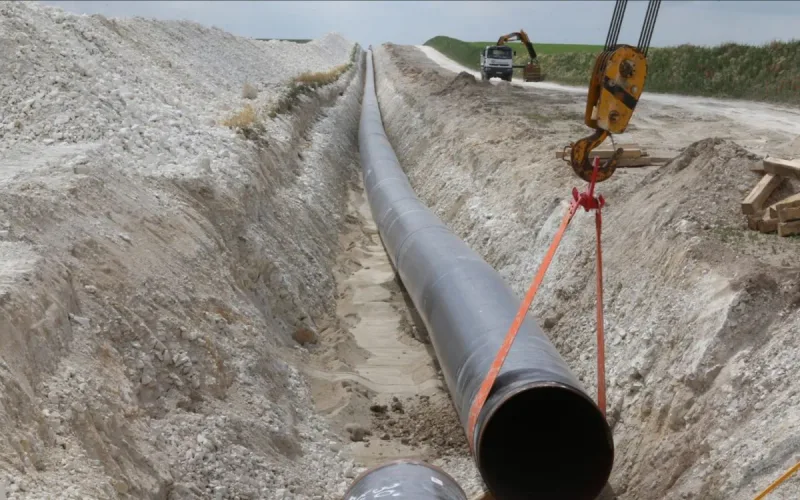
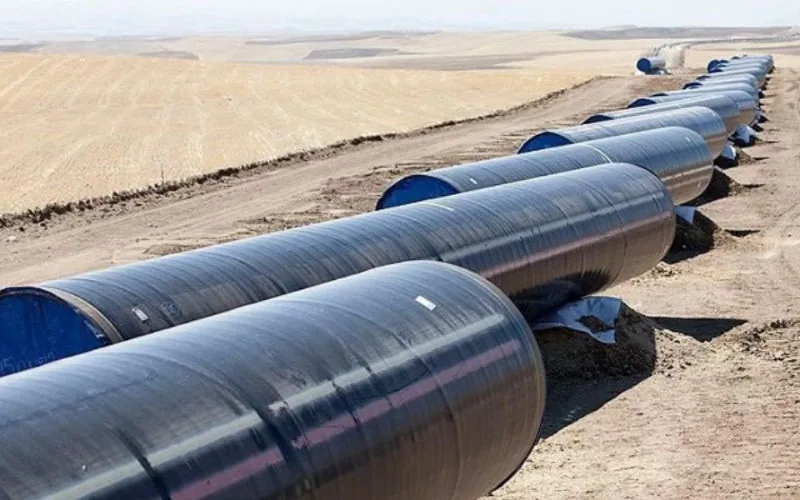
A monumental gas pipeline project linking Nigeria to Morocco promises to revolutionize the energy market. Stretching across thirteen countries, this major infrastructure aims to secure and diversify Europe’s gas supply by 2031.
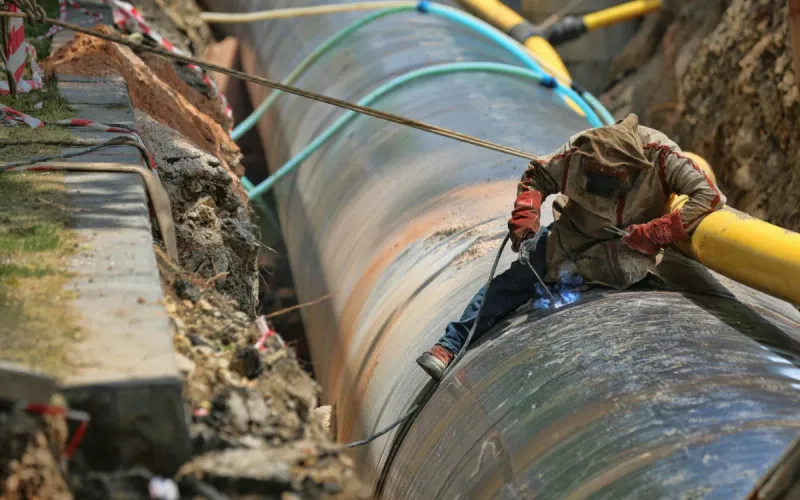
Extending nearly 6,400 kilometers, this future energy corridor will run along the entire West African coast. Starting from Nigeria, the network will cross twelve other nations, including Côte d’Ivoire, Senegal, and Mauritania, until reaching its Moroccan terminus. According to British media Express, this colossal project requires a 26 billion pound sterling investment to transport 30 billion cubic meters of gas annually.
On Bladi.net : New developments for the Morocco-Nigeria gas pipeline
The ambition of this project is to create a new strategic route, comparable to the Strait of Hormuz through which 20% of the world’s oil typically transits. Facing the current blockade of this strategic passage by Iran, Europe is urgently seeking to secure its hydrocarbon supplies. This new gas pipeline will thus allow half of its total volume to be exported to the Old Continent, effectively reducing its dependence on unstable flows.
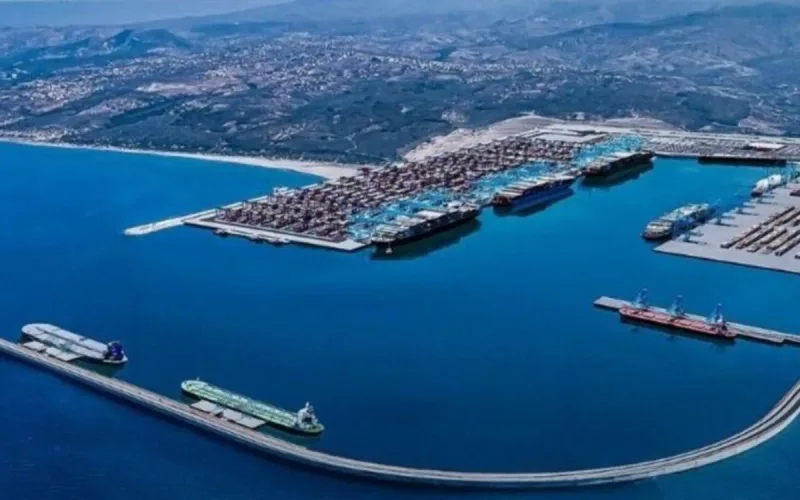
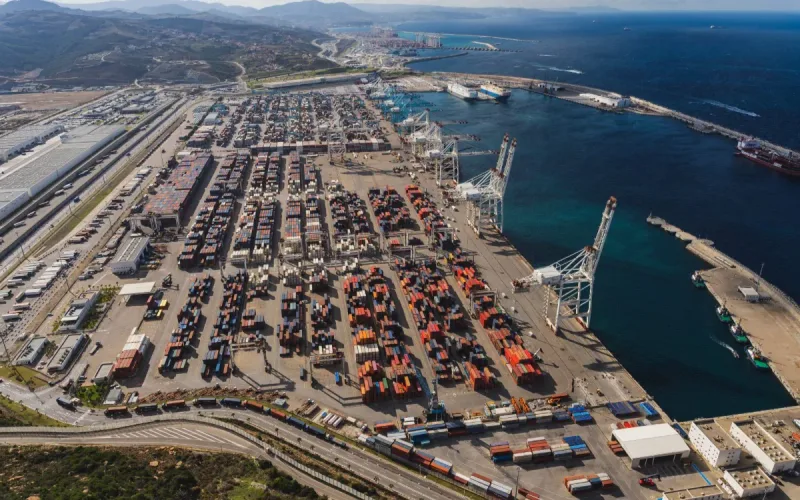
In this configuration, the Strait of Gibraltar zone will become an unavoidable global crossroads. Morocco is preparing to assume its role as an energy bridge by investing 1.1 billion pounds in the new Nador West Med port and over 5.2 million in various infrastructure projects. Spain is also emerging as a key player, with its facilities representing 30% of Europe’s regasification capacity alone.
On Bladi.net : Morocco-Nigeria Gas Pipeline Advances with Chinese Steel Deal, Feasibility Studies Complete
For Africa, this project represents an enormous lever for economic growth, capable of providing energy to millions of inhabitants. Nigeria, holder of the world’s ninth-largest gas reserves, will be able to stop the loss of its resources due to lack of local infrastructure. Its exports, currently restricted to the capacity of the Bonny LNG plant and the West African gas pipeline, will be massively multiplied upon first deliveries expected in 2031.