Morocco Fuel Shortage: Empty Stations and Government Reassurance
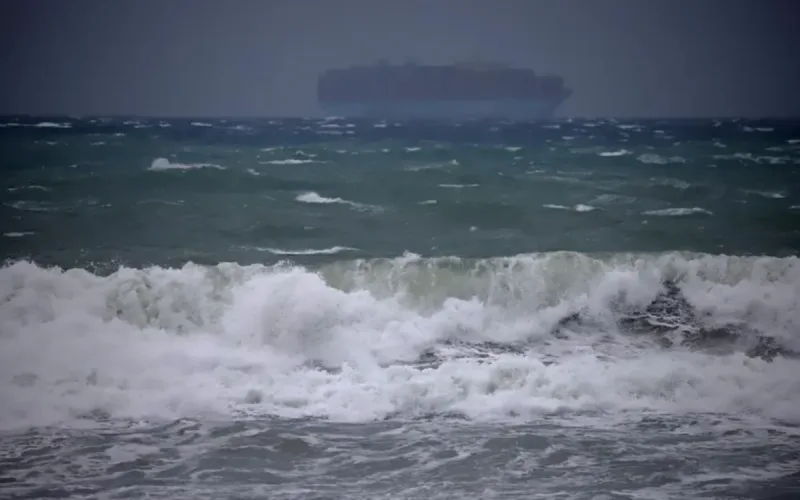
As fuel supply disruptions are reported in several Moroccan cities, the government sought on Thursday to dispel fears of a shortage. The Ministry of Energy Transition attributed the disruptions to poor weather conditions preventing ships from being unloaded, while assuring that sufficient stocks are available.
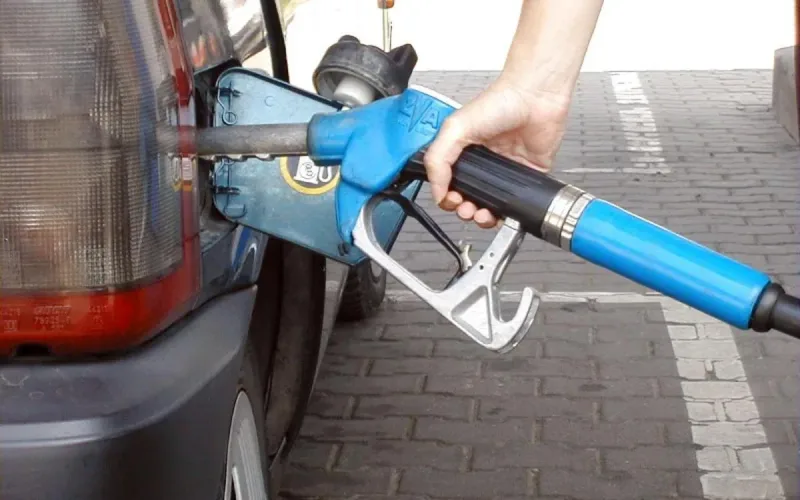
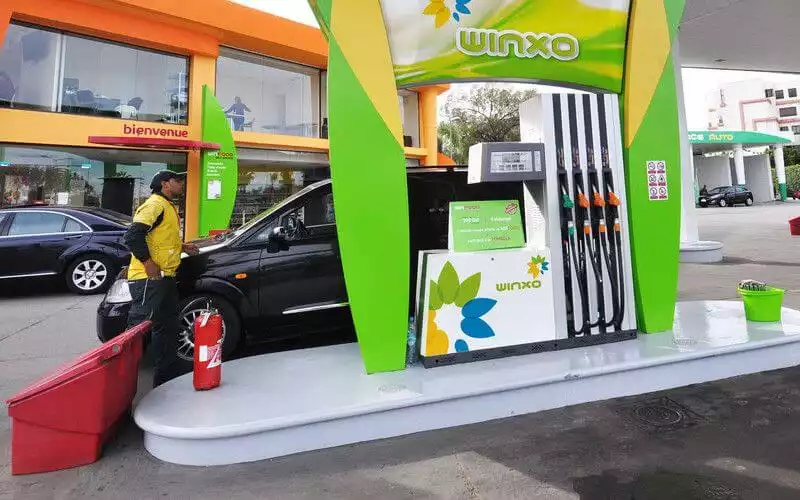
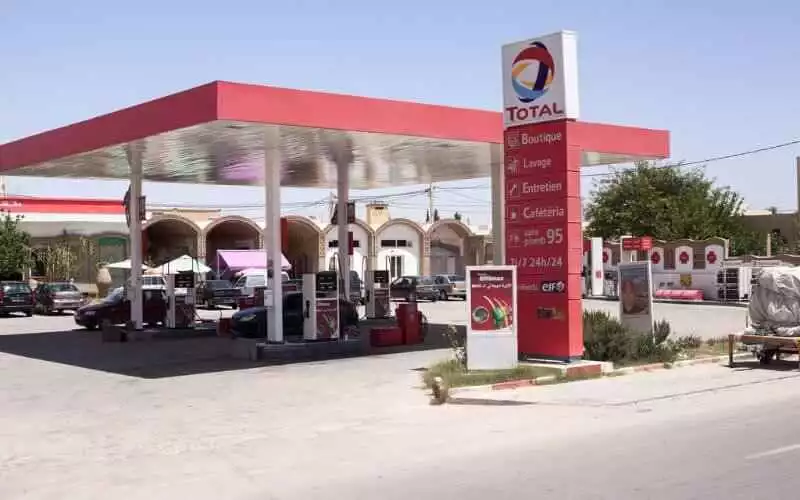
Moroccan motorists are facing dry pumps. For several days, supply difficulties have been observed at several service stations across the country, fueling concern on social media. The National Federation of Owners, Merchants and Managers of Service Stations confirmed that these interruptions exist, without specifying their exact scale.
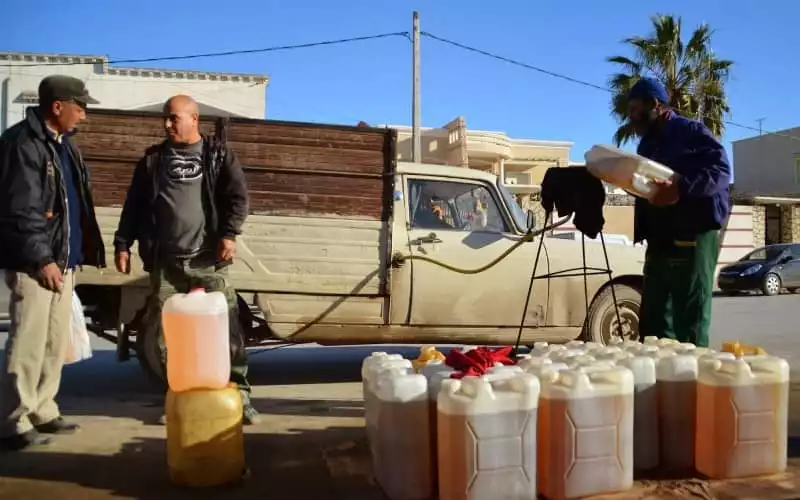
Read also: Morocco: illegal fuel sales raise concerns
In response to the situation, the Ministry of Energy Transition and Sustainable Development issued a statement intended to reassure the public. The authorities explained that heavy swells and strong winds affecting the coastline had forced the main ports of entry (Mohammedia, Tanger Med, Jorf Lasfar) to reduce or suspend operations, delaying the unloading of oil tankers.
Read also: Fuel in Morocco: the threat of a nationwide strike becomes clearer
According to official figures, the national stock of petroleum products on land currently stands at more than 617,000 tonnes. The ministry also stated that an additional volume of one million tonnes is aboard ships waiting for improved weather conditions before docking. A monitoring unit has been activated to track the situation, and some stations located in flooded areas have been closed as a precaution for safety reasons.
These explanations have not completely convinced the sector’s unions. El Houssine El Yamani, secretary-general of the National Oil and Gas Union, highlighted the issue of strategic reserves. “If distributors import shipments every two weeks, where are the 60 days of stocks promised by the Ministry?” he asks, stressing the system’s vulnerability to weather-related disruptions despite the regulations in force.