Spanish Journalist Says Madrid Underestimated Morocco
Photographed at protests and monitored as she travelled, Spanish journalist Sonia Moreno describes the difficulties she faced during her ten years as a correspondent in Morocco. In an interview published this Sunday, October 11, she describes daily life in which, she says, the authorities keep foreign reporters under watch.
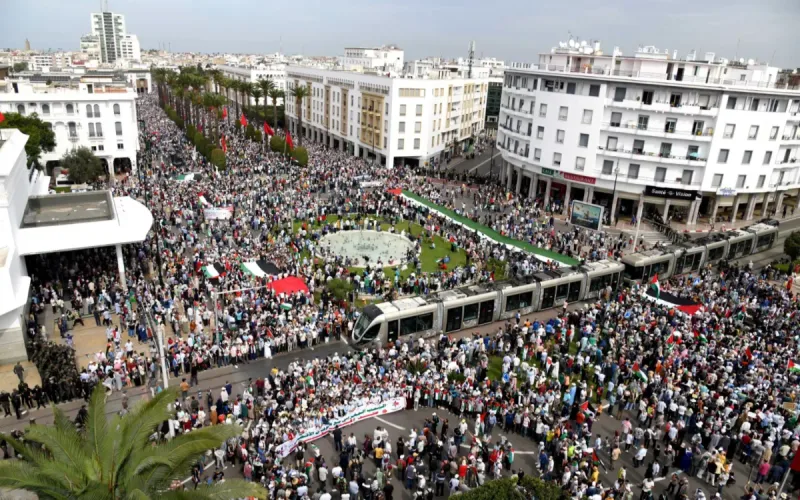
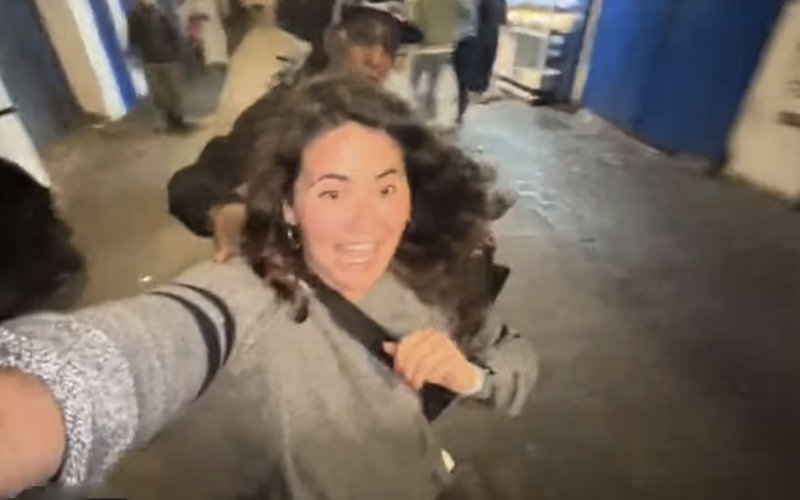
“They let you work, but you go to a protest and there’s someone behind you taking your picture.” Sonia Moreno has not forgotten her years as a correspondent in Morocco. Interviewed by The Objective, the Spanish journalist says she was under surveillance from the moment she arrived in the kingdom.
“They have a file on you from the very first moment. They know who you’re with and how you get around. You’re under total control,” she says. According to her account, all foreign journalists are subject to this surveillance, particularly when covering protests.
She settled in Morocco in 2010. After arriving on September 30, she obtained her residence permit on October 14, helped in particular by her Moroccan contacts, who assisted with the process. Getting a press card was another challenge. She began applying for one amid particularly high tensions over the Sahara.
She first worked for the daily newspaper Público, then joined radio station Cadena SER after the newspaper’s print edition was discontinued.
Three particularly sensitive subjects in Morocco
The correspondent identifies three “red lines”: “The Sahara, the king and Islam.” She believes that subjects concerning the monarchy and religion have become less sensitive over the years. The Sahara, however, remains an especially delicate issue to cover, both journalistically and politically.
The experience nevertheless taught her how to work more effectively in this environment. Over time, she explains, learning local languages and building a network of sources make reporting and making contacts easier.
Sonia Moreno devoted a book to this experience, titled “Marruecos, el vecino incómodo” (Morocco, the Uncomfortable Neighbor). Among other things, she examines relations between Rabat and Madrid. In the interview, she also looks back on her discovery of a country whose contrasts she highlights: developing major cities and disadvantaged rural areas.
The journalist believes above all that Spain underestimated its Moroccan neighbor, particularly its ability to plan economic and diplomatic decisions several years in advance.