How Spain Helped Open the Door to a 2030 World Cup Final in Morocco
Spain thought it had the 2030 World Cup final almost in the bag. But a Reuters investigation reveals that its own football federation agreed to add Casablanca to the list of candidate cities at the request of the Spanish government and FIFA. The decision now pits Madrid and Barcelona against a particularly ambitious Moroccan contender.
The revelation comes from three sources within the Royal Spanish Football Federation (RFEF), interviewed by the Reuters news agency. According to their accounts, Pedro Sánchez’s government was heavily involved in preparing the joint bid. The federation ultimately agreed to the Spanish government and FIFA’s request to add Casablanca as an option for the final.
On Bladi.net : Spanish presenter questions why Spain fears Morocco over 2030 World Cup final
At first, Spanish officials imagined a very different scenario. Portugal showed no interest in hosting the final, and Morocco, which joined the bid in March 2023, seemed unlikely to them to seek the tournament’s final match.
A senior Portuguese official involved in the bid process confirmed to Reuters that Spain was caught off guard. The Spanish believed their involvement from the outset of the project guaranteed them the final. Their partners should have anticipated Morocco’s ambitions, he said.
Pedro Sánchez’s involvement goes back as far as 2018. According to an RFEF source, the prime minister had then prevented the federation from announcing the invitation extended to Morocco itself, wishing to deliver the message personally during a bilateral visit to Rabat. Asked by Reuters about these revelations, his office declined to comment.
Madrid and Barcelona divided over Casablanca
Today, Spain’s two largest cities are vying for the final. In September, FC Barcelona president Joan Laporta publicly backed Camp Nou, pointing out that Santiago-Bernabéu had already hosted the 1982 World Cup final. His intervention irritated several federation officials, who see it as weakening Spain’s bid against Morocco.
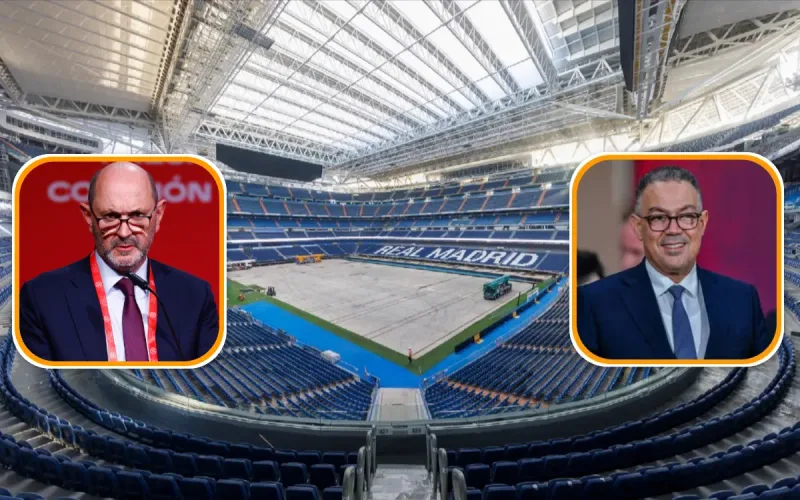
RFEF secretary general Álvaro de Miguel, however, disputes the idea that there are divisions. In his view, putting forward two candidate stadiums against Morocco’s one increases Spain’s chances. These tensions come as Spanish football leaders step up their calls for the final to be held in their country.
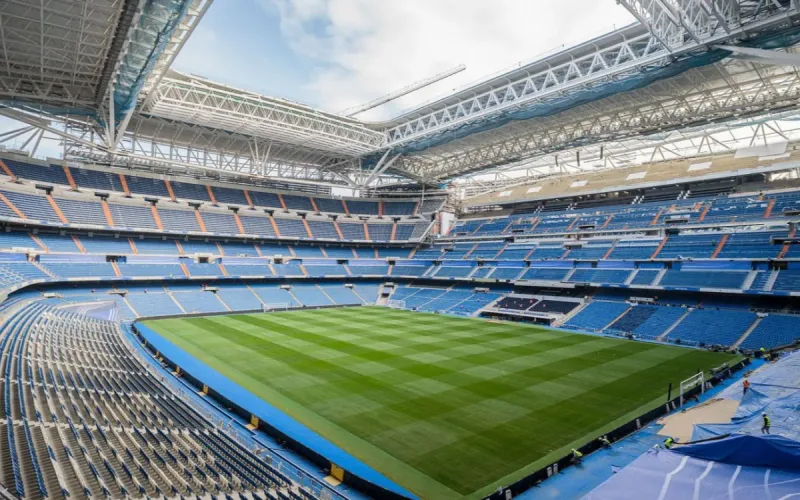
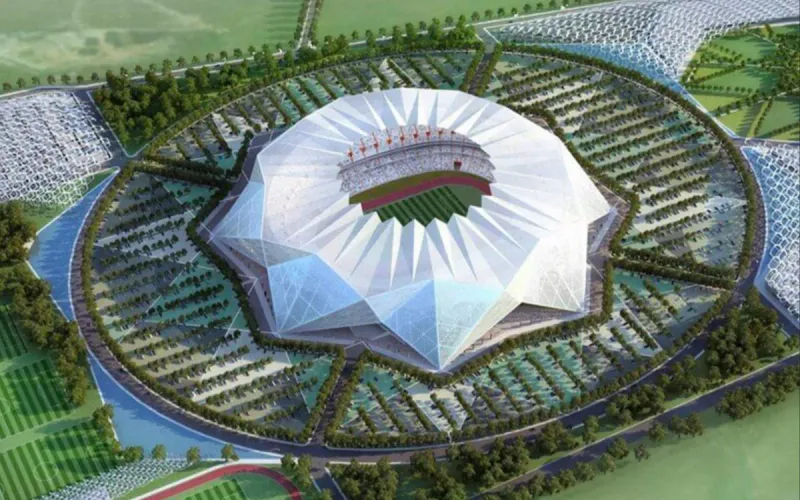
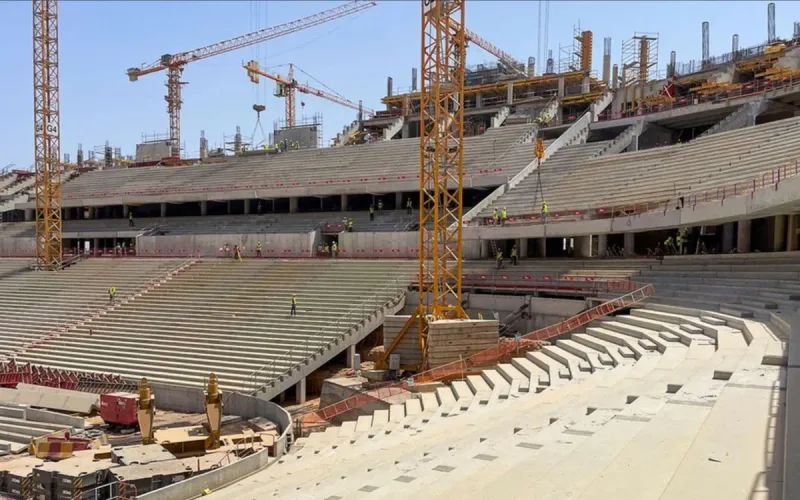
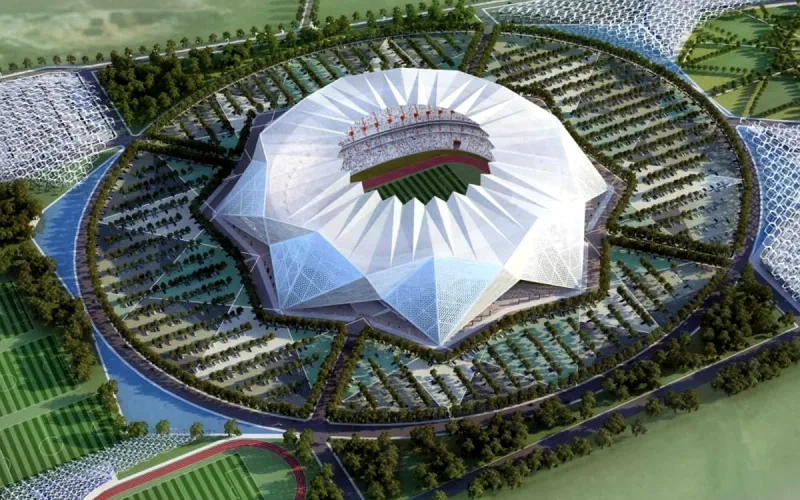
Morocco is pressing ahead with a bid centered on the Grand Stade Hassan II, under construction near Casablanca. Its planned capacity of 115,000 would exceed that of the renovated Camp Nou, estimated at 105,000 spectators, and the Bernabéu, which can accommodate around 84,000.
Ricardo Trade, former general manager of the organizing committee for the 2014 World Cup in Brazil, believes Spain is now paying for its overconfidence. It should have chosen its candidate city for the final when the joint bid was put together. Amid the rivalry between Madrid and Barcelona, he points to Morocco’s unity behind its project.
On Bladi.net : Fouzi Lekjaa announces the 2030 World Cup final in Casablanca, FIFA immediately denies it
The Moroccan bid nevertheless has weaknesses. In its technical evaluation, FIFA gave Casablanca a score of 3.1 out of 5 for public accommodation, compared with 5 out of 5 for the Spanish cities. Morocco’s investments also cover transport, hotel infrastructure and access to the future stadium.
FIFA began inspecting the candidate cities in November and is due to continue in December. It told Reuters that no standard procedure governs the choice of the final stadium, which will be subject to consultations with the cities, countries and governments concerned. No date has been announced for the decision.