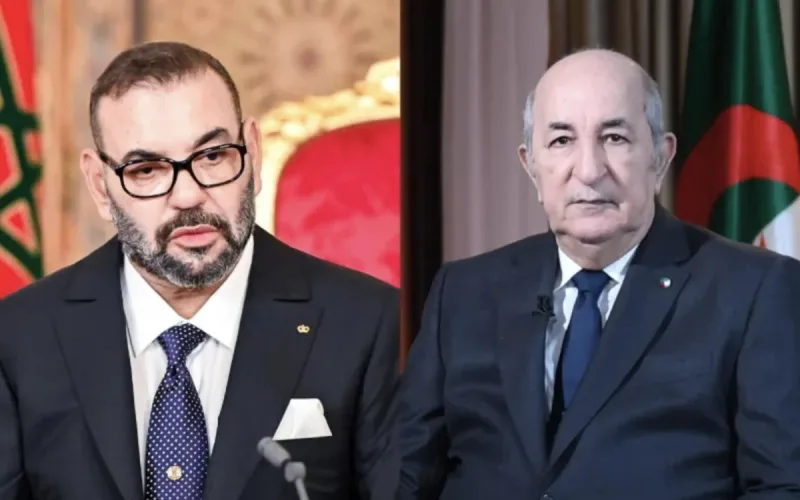
A researcher sees a "historic window" for reconciliation between Morocco and Algeria
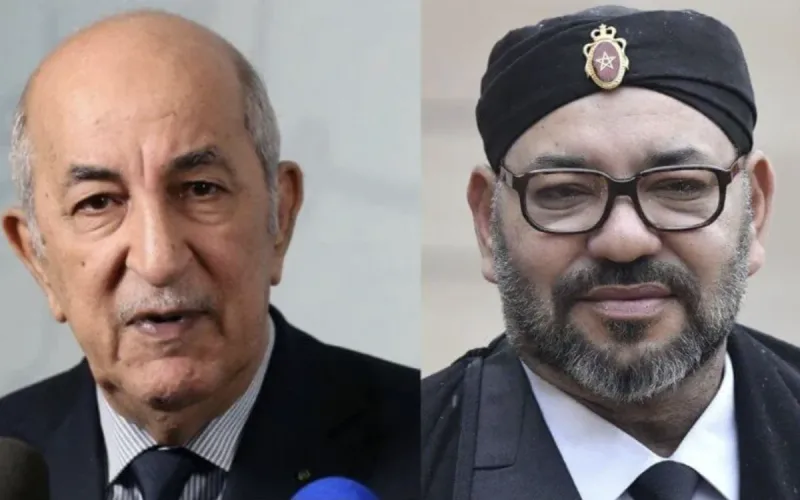
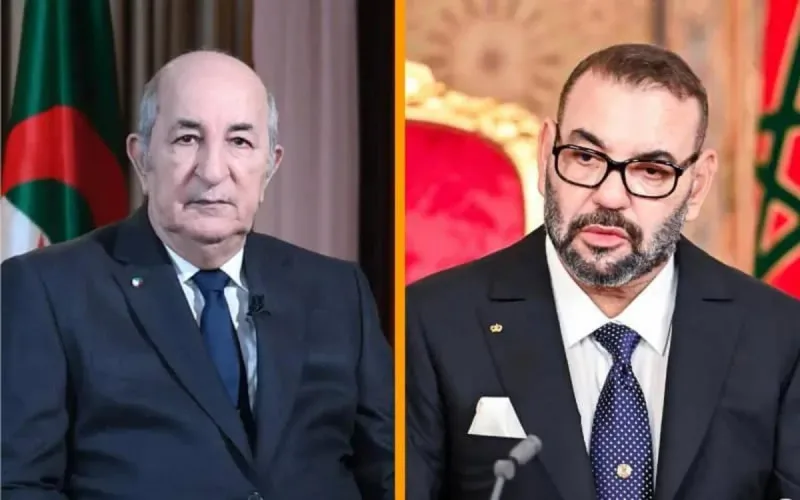
A researcher from the Middle East Institute advocates for reconciliation between Morocco and Algeria - a project already undertaken by the United States - and makes recommendations in this direction.
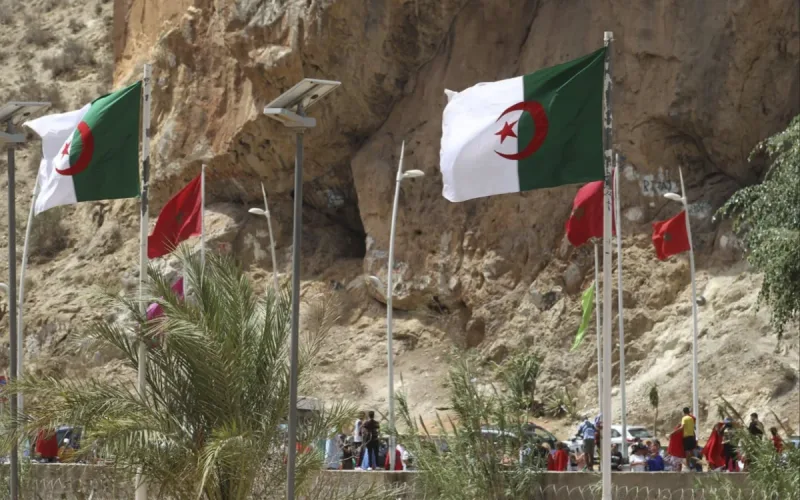
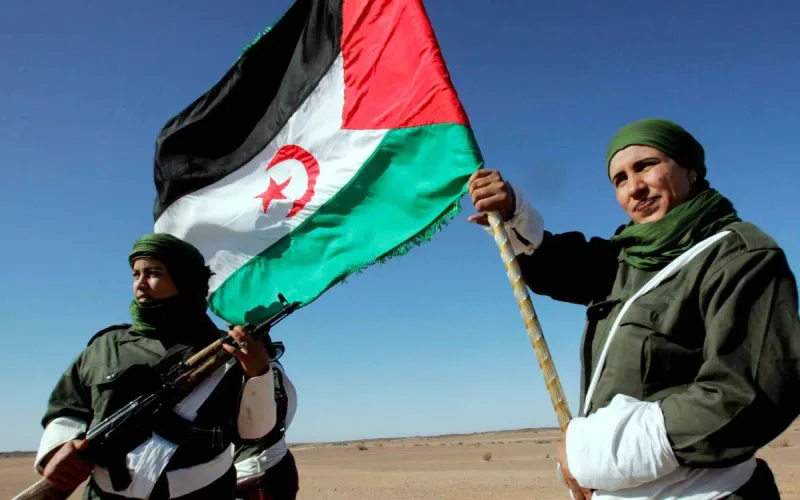
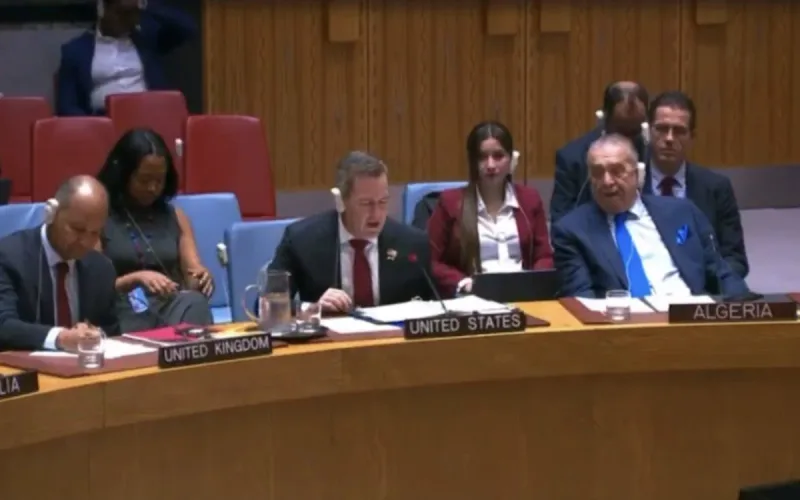
In the eyes of the senior researcher at the Middle East Institute, Intissar Fakir, the adoption by the United Nations Security Council on October 31 of a resolution that places Morocco’s autonomy plan at the heart of the settlement of the Western Sahara conflict is the most significant of Rabat’s recent diplomatic victories on this issue. This resolution follows a statement made on October 19 by the U.S. Special Envoy, Steve Witkoff, during the "60 Minutes" television program. He announced that his team was working to find a peace agreement between Morocco and Algeria, which he hoped would be concluded within 60 days.
For the researcher, the UN vote and Witkoff’s timeline suggest that President Donald Trump wants to achieve another resounding success in foreign policy and "pacification." "But the stakes for the Trump administration go far beyond just resolving the Western Sahara conflict. It could unlock an opportunity for reconciliation between Morocco and Algeria that integrates the broader Maghreb economy, strengthens security coordination in the Sahel, and expands energy cooperation," she analyzes, in an op-ed published by the Middle East Education Network.
She argues that such a development would not only stabilize North Africa, but "would also advance U.S. interests by sharing the burden with Europe, counter Russian and Chinese influence, and facilitate foreign investment in a region linking Europe and sub-Saharan Africa." She insists: "Resolving the Sahara issue alone will not end the rivalry." "But a comprehensive settlement that links political reconciliation to regional cooperation could finally transform competition into coexistence." The researcher then makes recommendations outlined in a two-phase plan.
The first phase focuses on immediate Polisario engagement in de-escalation and the establishment of a roadmap for negotiations on the autonomy of Western Sahara and a direct Morocco-Algeria dialogue mechanism (mutual trust between the two countries). "The United States should insist on a process that takes into account the detailed requirements of the autonomy plan and ensure that Morocco and the Polisario anchor it in clear deadlines and milestones to keep the process on track," suggests Fakir. The second focuses on regional integration. This includes joint mechanisms for combating terrorism, coordinated migration management, and energy partnerships benefiting both nations.
The researcher also calls for the establishment of a multilateral coordination mechanism for the Sahel involving the United States, the EU, Morocco, and Algeria. This should allow "Algeria to play the leadership role it seeks, while giving Morocco a more prominent position in regional counterterrorism efforts," she is convinced. Fakir finally proposes a collective framework for migration management that would improve information sharing, prevent fragmentation, and ease political tensions over "migrant outflows," fostering a more balanced EU-Maghreb partnership.