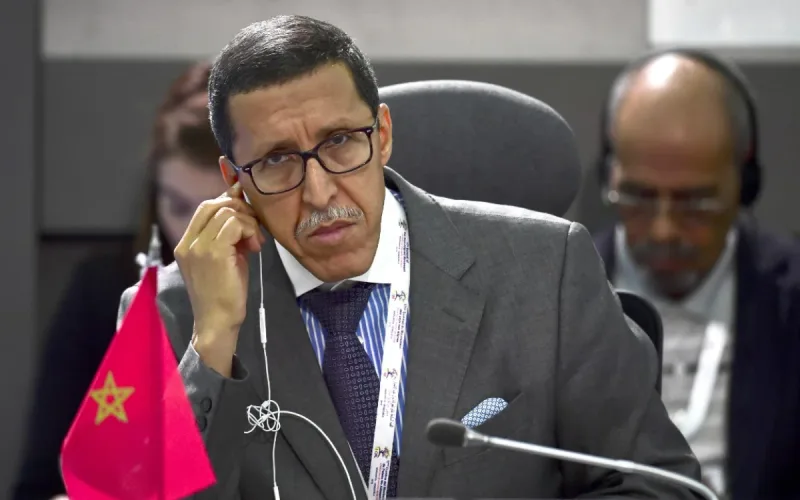
Morocco-Algeria: the behind-the-scenes of the American plan for reconciliation
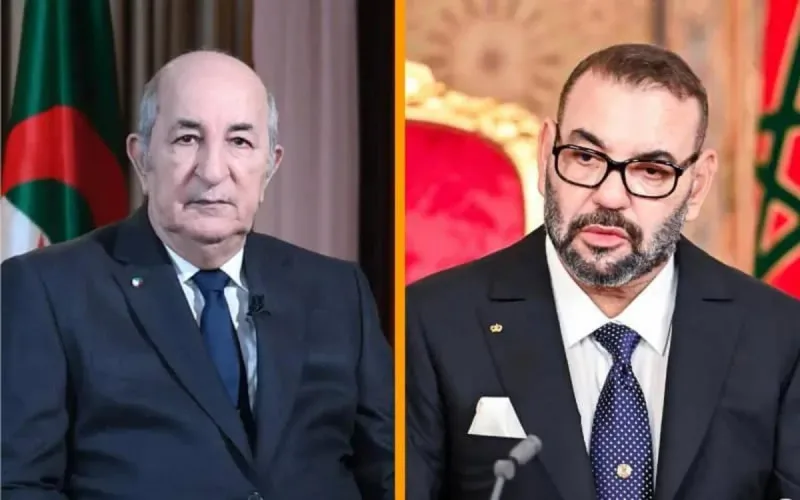
The recent resolution of the UN Security Council, which enshrines the Moroccan autonomy plan as the basis for the settlement of the Western Sahara conflict, is perceived as a major diplomatic victory for Rabat. It is also part of a broader American initiative aimed at reconciliation between Morocco and Algeria.
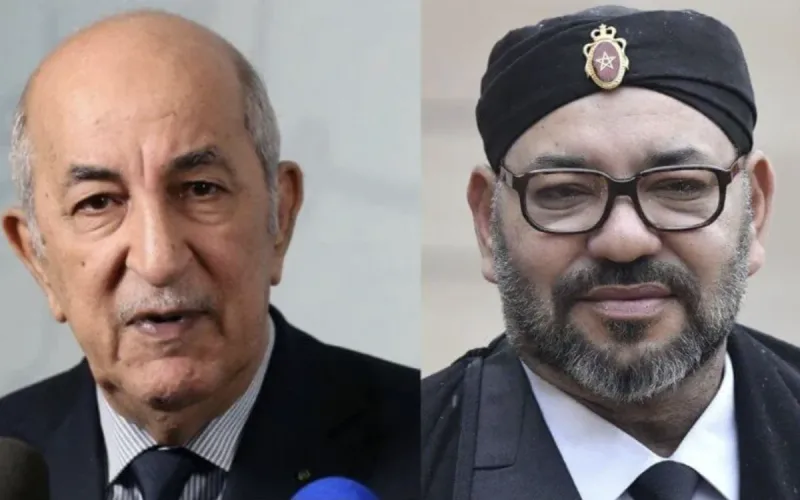
This dynamic comes after a US special envoy, Steve Witkoff, mentioned a possible agreement between the two Maghreb neighbors within 60 days. The October 31 resolution, supported by the United States, appears to be a lever for the Trump administration to achieve a foreign policy success. The objective would be to stabilize the region, economically integrate the Maghreb, strengthen counter-terrorism cooperation in the Sahel, and counter Russian and Chinese influence, analyzes the Middle East Institute.
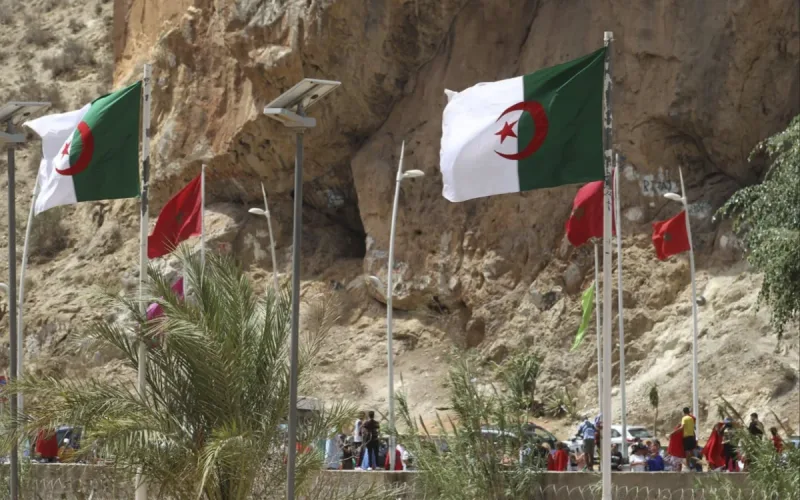
However, this attempt at rapprochement is confronted with a deep historical rivalry. Since the Sand War in 1963, the two countries have developed opposing models, with Morocco being pro-Western and Algeria revolutionary. Today, this rivalry translates into two competing visions: Morocco positions itself as an economic bridge to Africa, while Algeria claims a regional leadership based on security.
Complex negotiating positions between Morocco and Algeria
Morocco approaches this new cycle in a position of strength. The UN resolution crowns a series of diplomatic successes, including the 2020 American recognition and the support of Spain, France and the United Kingdom for its autonomy plan. These supports have been accompanied by foreign investments and a technological advantage, particularly thanks to its alliance with Israel.
Algeria, the main supporter of the Polisario Front, is facing increasing pressure. Although it broke off relations in 2021, a relaxation is perceptible since the visit of US adviser Massad Boulos to Algiers in July 2025. Algiers would be concerned to avoid possible US sanctions related to its purchases of Russian weapons, while seeing itself diplomatically isolated in the Sahel, where Morocco is strengthening its ties.
The two countries face internal constraints. In Morocco, the Sahara is at the heart of monarchical legitimacy, making the autonomy plan non-negotiable as such. In Algeria, the military power uses the posture of the "rampart" against the "Moroccan threat" to maintain internal cohesion. An agreement will therefore have to allow the two parties to claim a political victory, while managing a marked military escalation with defense budgets of $13 billion for Rabat and $25 billion for Algiers.
The analysis suggests a two-phase solution. A first phase would see a ceasefire guaranteed by MINURSO, a roadmap for autonomy including the Polisario, a disarmament program and a direct Morocco-Algeria dialogue channel facilitated by the United States. A second phase would involve regional initiatives led by the EU on energy, counter-terrorism in the Sahel and migration management, transforming the conflict into a lever for stabilization.