Ramadan in Morocco: 30% More Food Waste Despite Fasting
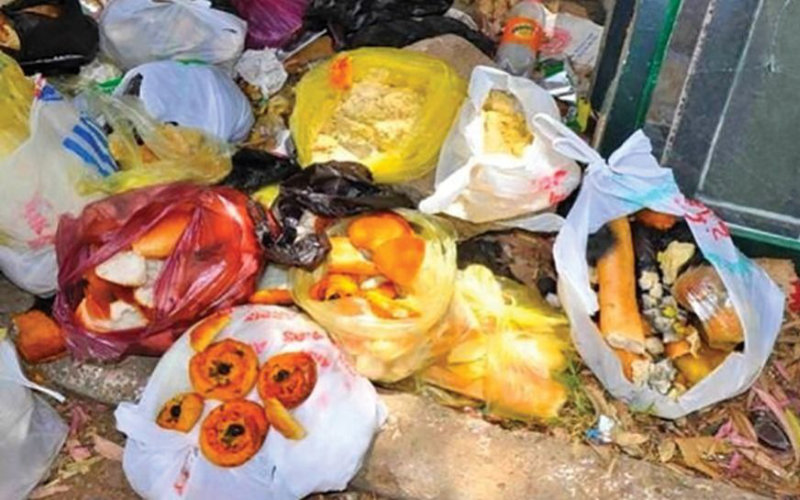
The month of Ramadan is marked by a 30 % increase in organic waste in Morocco. Despite the fast, food waste is worsening, driven by irrational overconsumption and increasingly problematic management of leftovers.

Experts in economics and sociology highlight a consumption paradox: nearly a quarter of the food prepared for iftar ends up in the trash. According to Hassan Aït Ali, president of the Consumer Protection Observatory, this phenomenon is intensified by behavioral anxiety and social pressure that push families to overstock food for fear of shortages, thereby fueling a sharply rising food bill.
On Bladi.net : Ramadan, a month of... waste
In Agadir, the situation on the ground is particularly alarming. Sanitation workers describe garbage containers overflowing with barely touched cooked dishes, such as tajines, harira, and traditional pancakes (msemmen and baghrir). Garbage collectors deplore a major contradiction among local residents who, while massively throwing away their food leftovers, often criticize the inefficiency of collection services without questioning their own consumption habits.
On Bladi.net : Ramadan in Morocco: Tramdena, Fasting and Rising Violence
Figures from the International Centre for Advanced Mediterranean Agronomic Studies (CIHEAM) and the FAO confirm the scale of the waste. Around 45,1 % of Moroccan families throw away the equivalent of 60 to 500 dirhams’ worth of food during this holy month. Nationwide, each Moroccan throws away an average of 91 kilograms of food per year, highlighting a major environmental and economic challenge for the country.