Race for naturalization: players born in Morocco or Brazil to qualify the United Arab Emirates
The expansion of the World Cup from 32 to 48 teams has radically changed the situation for Asian qualifications. With eight direct places now available, compared to four previously, many nations are dreaming of participation and have intensified their naturalization programs for players born abroad.

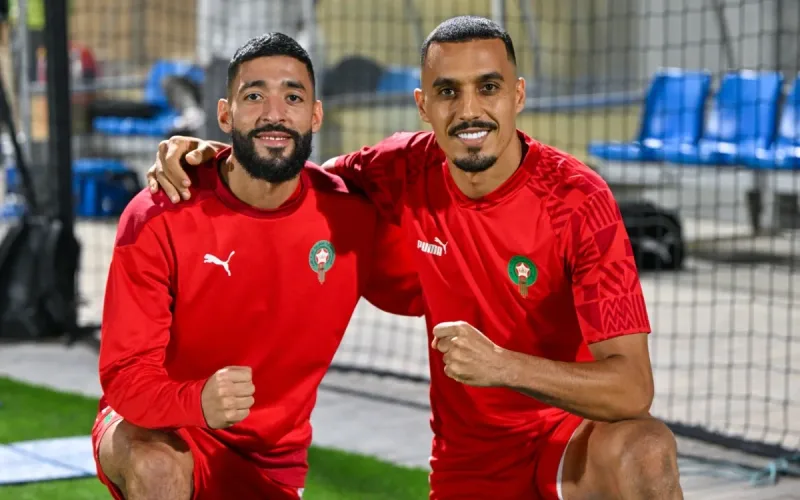
This trend is particularly visible in the United Arab Emirates, who could line up a majority of players born outside the country for their decisive match against Iraq. The Emirati squad now includes many naturalized players after five years of residence in the local championship, including Brazilians, Argentines, but also players from Morocco, such as Issam Faiz, or from Tunisia or Ivory Coast.
According to Shaji Prabhakaran, a member of the AFC Executive Committee, this "race for naturalization" is a direct consequence of the World Cup expansion. "More places mean more hope," he explains, as countries believe that such a program can "quickly improve their quality" and allow them to hope to qualify.
The Indonesian example and the Malaysian excesses
The use of foreign players is not new, but it is accelerating. Indonesia, for example, reached the final qualifying round thanks to a policy targeting players born in the Netherlands with Indonesian grandparents. It is not uncommon to see a majority of Europe-born players in their starting lineup, a transformation that led to the appointment of Patrick Kluivert as coach, reports The Guardian.
This trend is not without risk. In September, FIFA fined the Malaysian Football Association (FAM) $438,000 and suspended seven players. The FAM is accused of having "falsified the documents" of players from Europe and South America to prove false family ties.
Despite these controversies, the objective of qualification seems to take precedence over the origin of the players. In the United Arab Emirates, the decisive match against Iraq will be played in a sold-out stadium, a rare occurrence that shows that the supporters are mobilizing as soon as the dream of the World Cup becomes accessible.