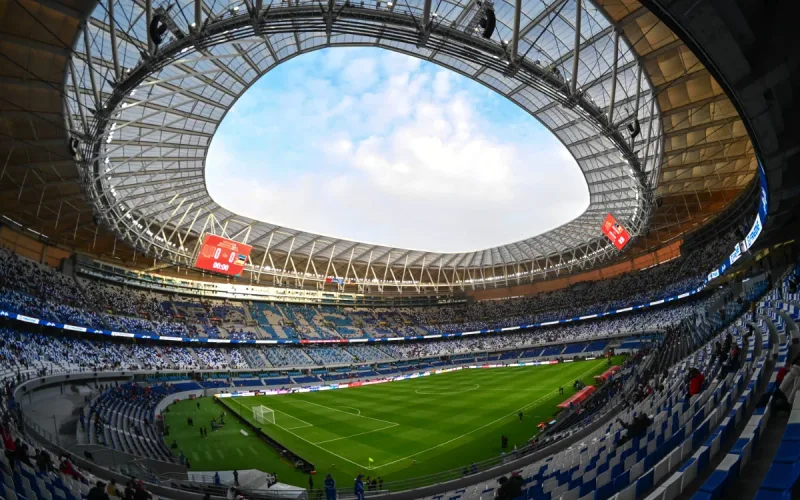
From "pariah" to global giant: how Morocco has reconquered African football in 10 years
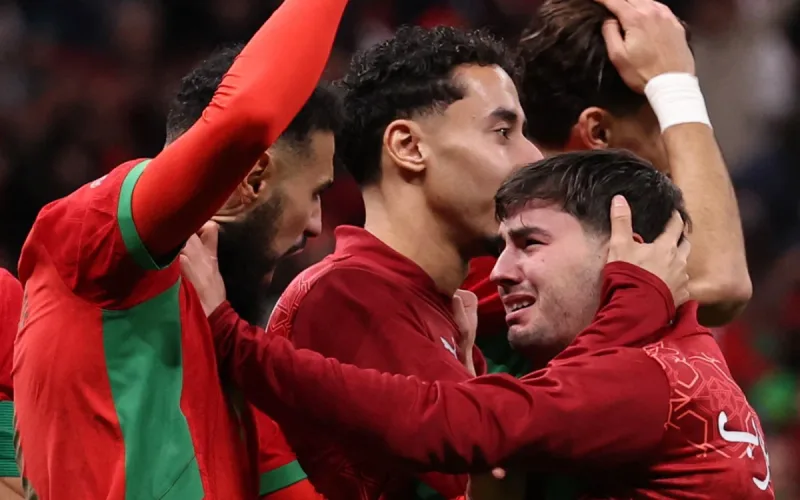
Who would have thought it 10 years ago? Considered a continental "pariah" following the 2015 AFCON affair, Morocco has now become the center of gravity of African and global football. Between royal vision, diplomatic soft power and accelerated modernization, the Kingdom has transformed a major crisis into a spectacular success.
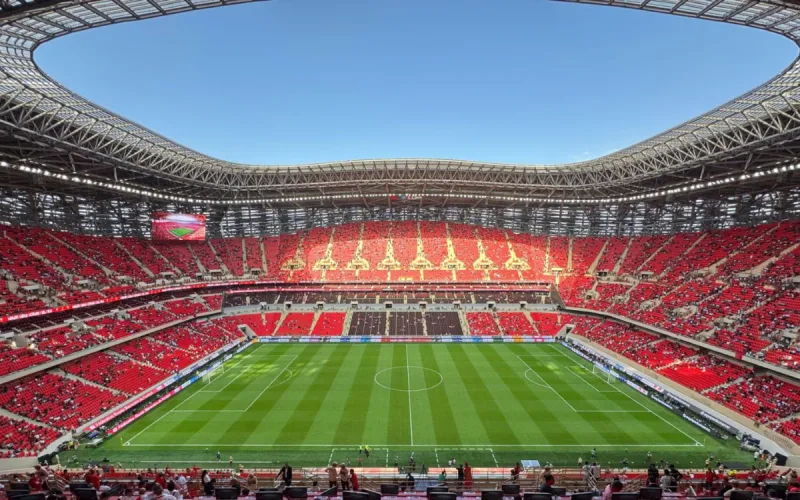
It is a turnaround worthy of the greatest sporting scenarios, explains The Guardian. It is hard to imagine today that Morocco, host of the current 2025 AFCON and future co-organizer of the 2030 World Cup, was ostracized from Africa a decade ago.
In 2015, the Kingdom suddenly renounced the organization of the Africa Cup of Nations for fear of the Ebola virus. The CAF’s sanction was immediate and brutal: relocation to Equatorial Guinea, exclusion from the following editions and punitive fines. "It’s a time I’d like to forget," says Hicham El Amrani, then CAF Secretary General, evoking an unbearable pressure.
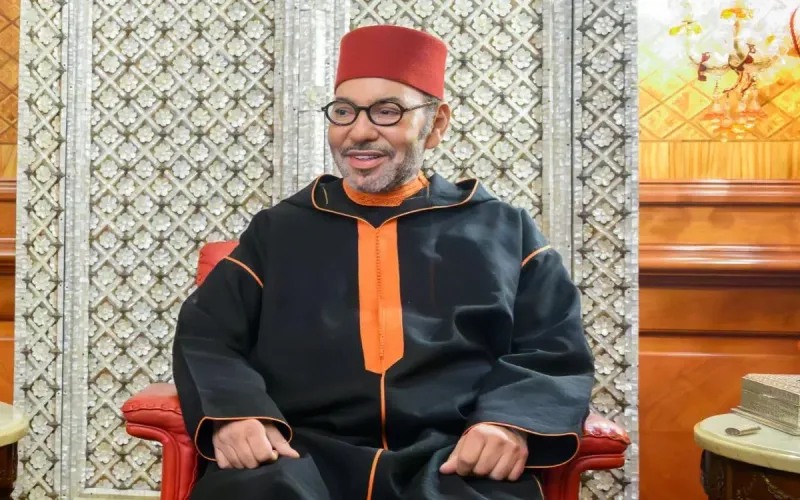
But this dark page is definitively turned. Since the political decision initiated in 2017 by King Mohammed VI to renew close ties with the continent, football has become a major diplomatic tool.
For Abderrahim Bourkia, a sports sociologist at the University of Hassan Iᵉʳ, these mega-events are not just about sport. They are instruments of "symbolic capital" that accelerate urban development, modernize transportation and create a collective national narrative. "This challenges the country to translate sporting prestige into lasting social gains," he analyzes, stressing the need for these benefits to reach all Moroccans.
A view shared by Sunday Oliseh, Nigerian football legend: "For me, it’s the most developed nation I’ve seen in Africa in the last 30 years... This should motivate other countries, like mine, to make real progress."
Beyond the infrastructure, it is the very identity of the country that is at stake through these tournaments. Amine El Amri, a sports journalist, believes that hosting the World Cup is a "common dream" that allows Moroccans to see themselves "through the eyes of others".
"Football becomes a stage of symbolic recognition, where Morocco affirms its Africanity and its global belonging," he explains, recalling the richness of the Amazigh, Saharan, Arab and Mediterranean cultural mix of the Kingdom.
While Morocco’s image as a "welcoming, affordable and safe" destination is a triumph in terms of public relations and tourism, the reality on the ground remains ruthless. Winning the AFCON, which has eluded the country since 1976, remains the "Holy Grail" for the people.
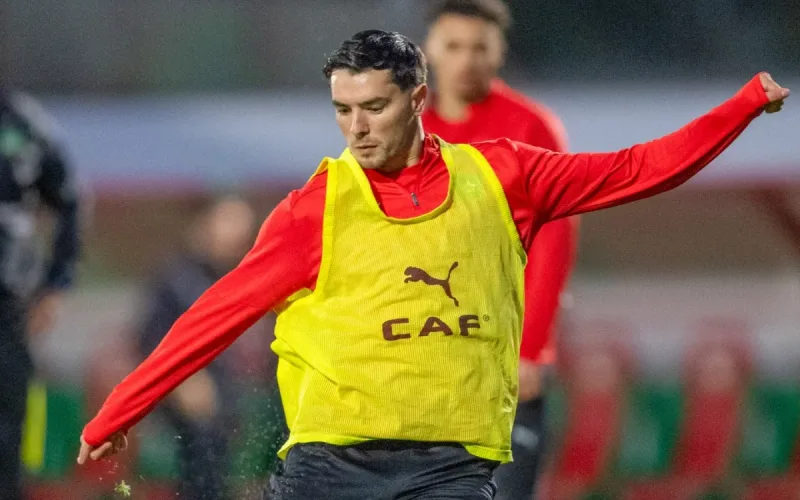
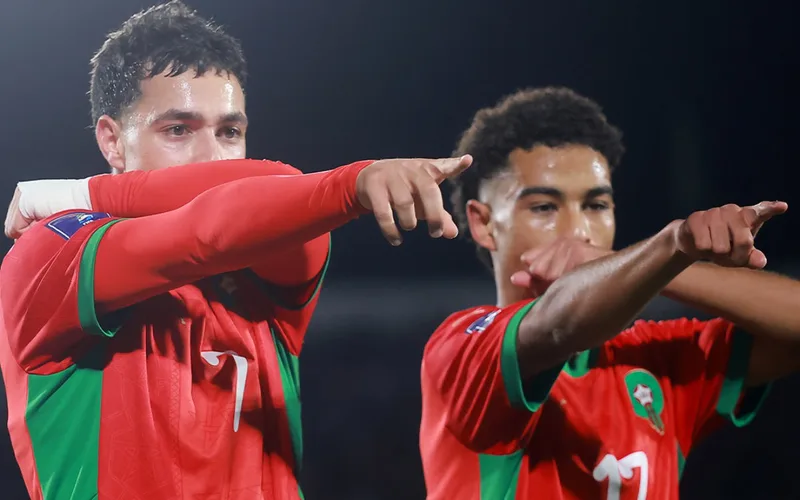
Walid Regragui knows this better than anyone: despite the historic epic in Qatar, only the present counts. A victory on January 18 would not only validate the Kingdom’s sports strategy, but would also guarantee its place to lead the Atlas Lions towards the 2026 World Cup.