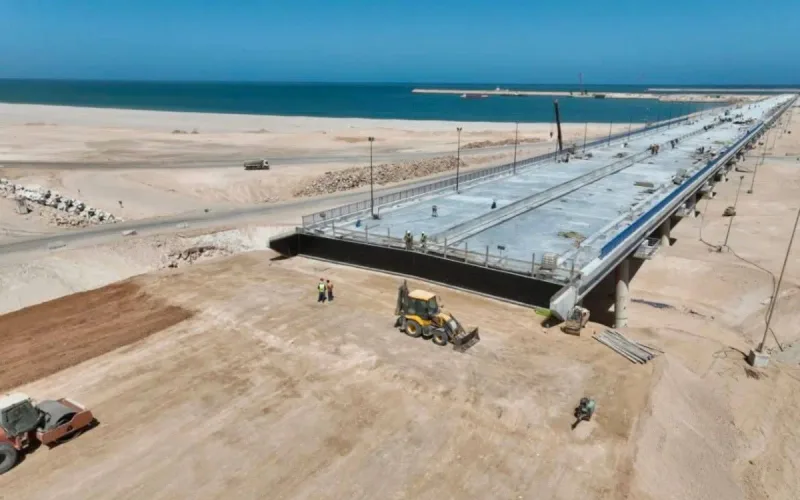
Nador West Med: the future giant of Morocco that is shaking Melilla and Madrid
The Nador West Med port complex, whose launch is confirmed for the end of 2026, is causing great concern in Melilla. The Spanish enclave, suffocated by the closure of its commercial customs since 2018, accuses the Madrid government of passivity in the face of the emergence of this new Moroccan logistics giant.
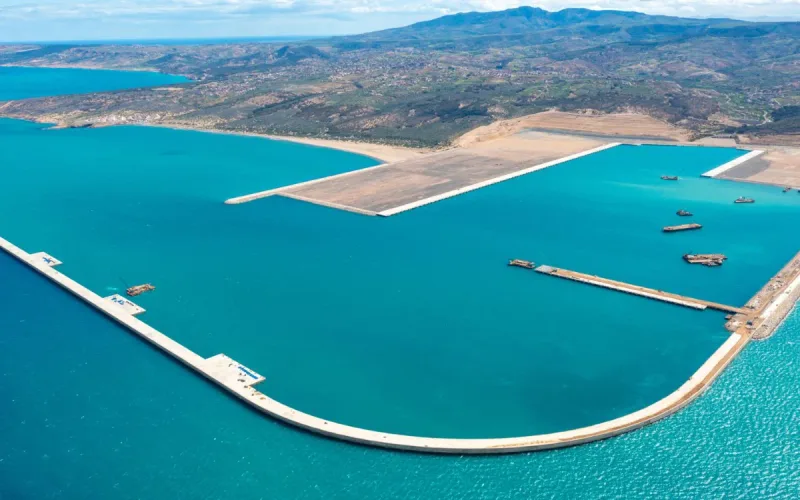
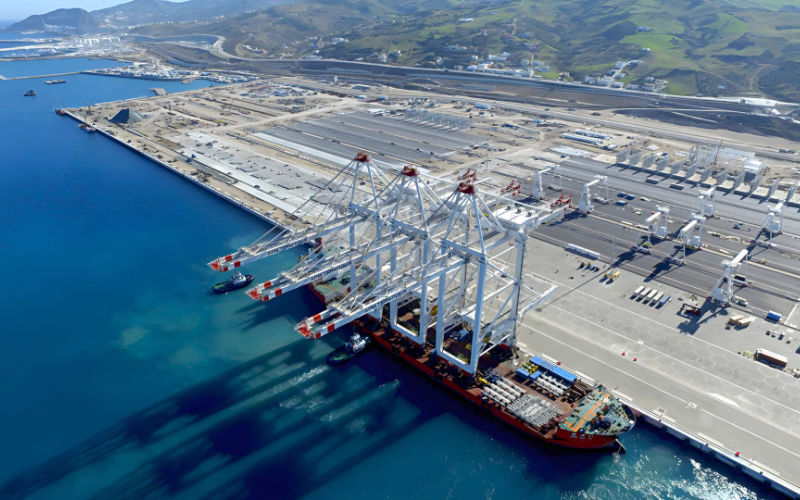
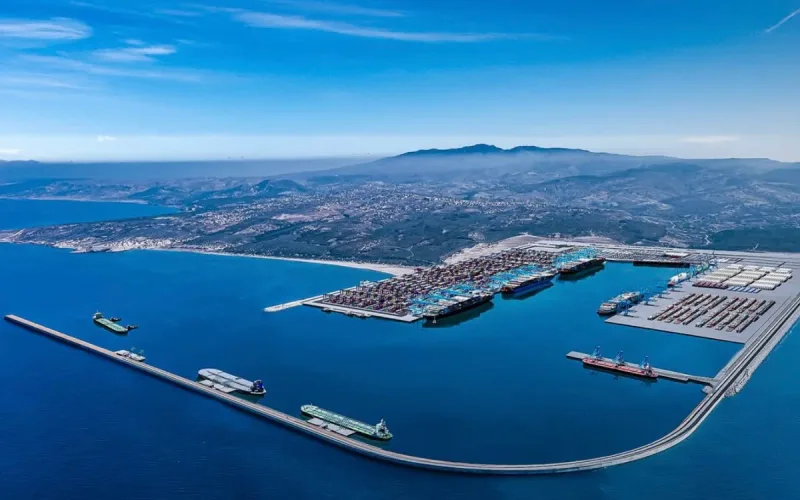
As Morocco finalizes the infrastructure of Nador West Med (NWM), concern is rising on the other side of the border. This pharaonic project of 4.7 billion euros, designed to replicate the success of Tanger Med, will be operational in the fourth quarter of 2026 with an initial capacity of 5 million containers. For the local government of Melilla, this hub is not only a technical feat, it is a tool of economic pressure that threatens to deliver the coup de grace to the autonomous city, reports El Independiente.
Fadela Mohatar, spokeswoman for the Melilla executive, has lambasted the "inexplicable silence" of the Spanish central government. According to her, while Morocco is strengthening its energy sovereignty with its first liquefied natural gas (LNG) terminal in Nador, Madrid has removed the 300 million euros planned in 2018 for the extension of the port of Melilla. This lack of investment condemns the enclave to an irreversible loss of competitiveness in the face of the dynamism of the Rif region.
A clash of border strategies:
• Logistics and Energy: While Nador is completing 5.4 km of dikes and its first LNG terminal capable of processing 5 billion m³ per year, Melilla remains dependent on a polluting thermal power plant and a commercial port with aborted expansion projects.
• Commercial asphyxiation: The commercial customs of Melilla remain inactive despite recent diplomatic agreements. The lack of legal security and a reopening schedule has led to the closure of many businesses and the collapse of historical sectors.
• Disparate investments: The contrast is striking between the 20 billion dirhams of private investments already attracted by the Nador industrial zone and the feeling of abandonment felt by the companies of the Spanish enclave.
Faced with what it describes as an "open attempt at asphyxiation" by Rabat, Melilla is trying to pivot towards a service economy, cruise tourism and new technologies. However, the local executive believes that without a firm defense of Spain with the European Union, the enclave will remain isolated. The city also denounces a deterioration of air links and the end of tax advantages, further weakening an already depleted entrepreneurial fabric.
As Nador West Med is about to redefine maritime routes in the western Mediterranean, Melilla is turning to Europe as a last resort. For the local authorities, the future of the city can no longer depend on an increasingly restrictive land border, but on a strengthened integration into the community market to compensate for the rise of the Moroccan neighbor.