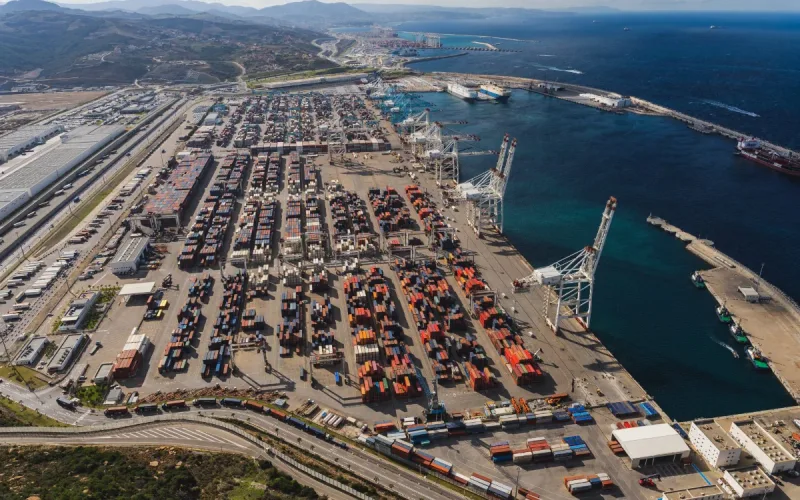
Morocco: Two New Giant Ports to Duplicate the Success of Tanger Med
Morocco is shifting into high gear. Confirming its ambitions as a global logistics hub, the Kingdom will commission two new major ports over the next three years. The objective is to duplicate the success of Tanger Med on the Mediterranean and Atlantic facades.
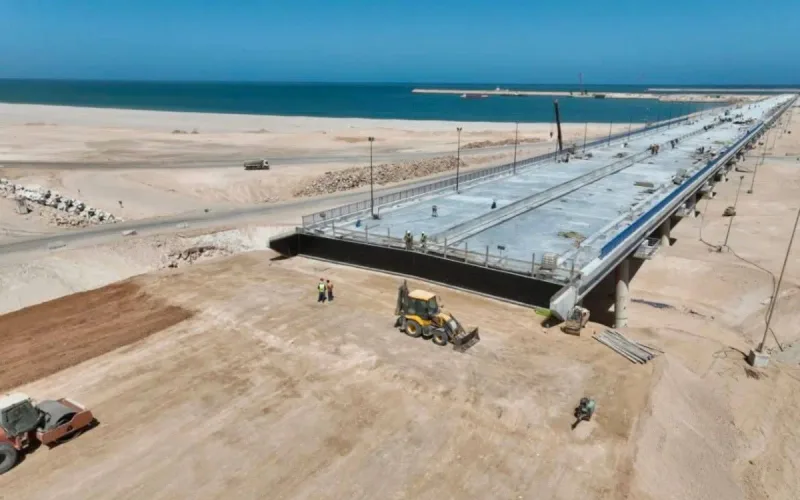
The schedule is set. In statements given to the Reuters news agency, the Minister of Equipment and Water, Nizar Baraka, confirmed the imminent commissioning of two strategic infrastructures. The Nador West Med port, currently under construction on the Mediterranean, will launch its operations as early as the second half of 2026. It will be followed, in 2028, by the Dakhla Atlantique port in the Sahara.
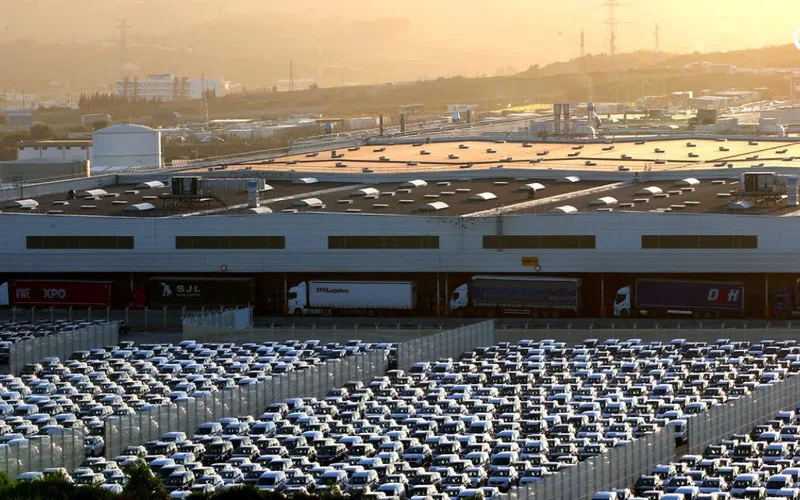
With these deliveries, Morocco will soon have four deep-water ports, with these two new additions joining Tanger Med and the industrial port of Jorf Lasfar. This expansion aims to replicate the economic model of Tanger Med, a true engine of development that now hosts 1,400 companies and employs 130,000 people in cutting-edge sectors such as automotive and aeronautics.
Nador West Med: An Energy and Logistics Hub
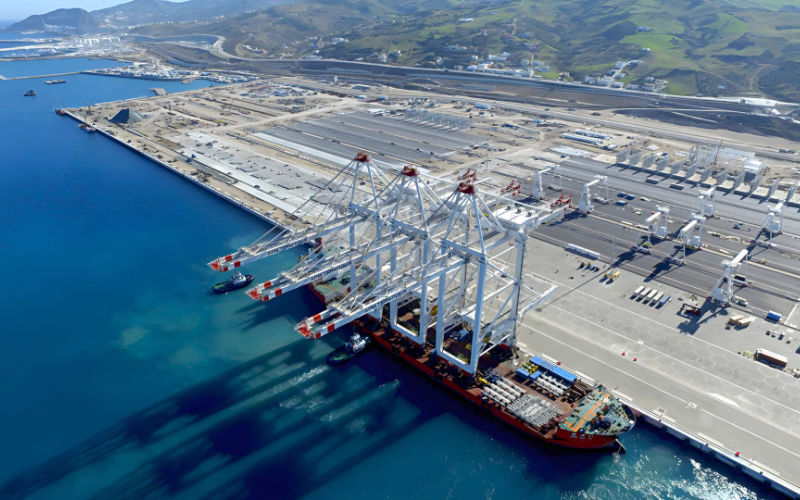
Considered the country’s third deep-water port, Nador West Med is shaping up to be a serious competitor in the Strait of Gibraltar. Its planned capacity oscillates between 3.5 and 5.5 million containers per year, volumes comparable to those of the port of Algeciras. Operational agreements have already been signed with maritime giants, including CMA CGM, guaranteeing an annual volume of 3 million containers.
Beyond containers, Nador will be a pillar of Moroccan energy sovereignty. The site will host the Kingdom’s first liquefied natural gas (LNG) terminal, in the form of a floating storage and regasification unit (FSRU). This infrastructure will be connected by pipeline to the industrial hubs of the northwest. The port will have an 800-hectare industrial zone, with expansion plans that could reach 5,000 hectares.
To ensure its connectivity, the project benefits from more than 300 million euros in European financing. This budget supports the improvement of land links, notably a new Guercif-Nador highway and the upgrading of the Mediterranean ring road (Route 16).
Dakhla Atlantique: The Gateway to the Sahel
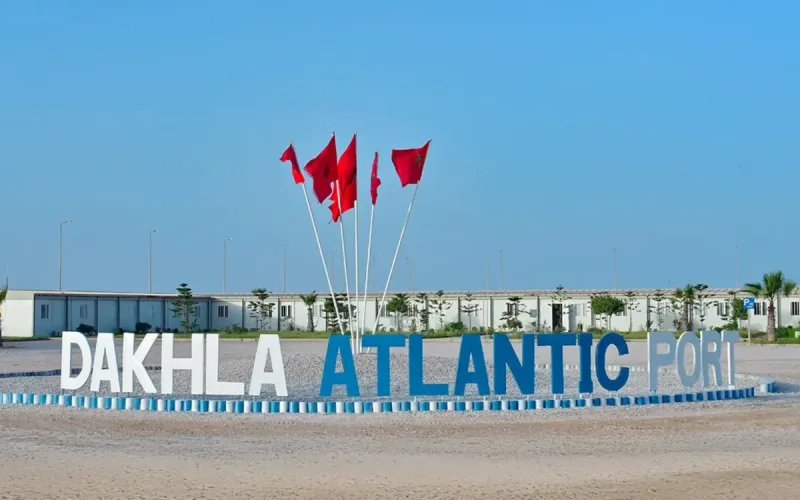
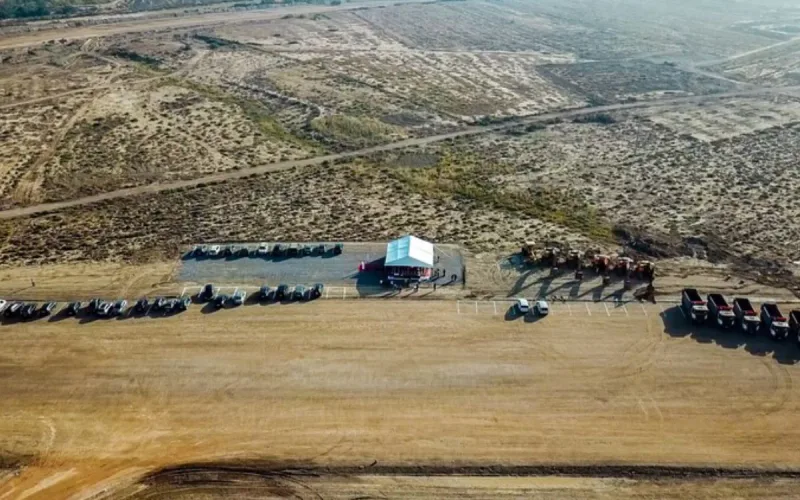
On the Atlantic facade, the future port of Dakhla stands out for its impressive technical characteristics. With a draft of 23 meters - the largest in the country - it is designed to accommodate heavy industries. This project, representing an investment of 12.4 billion dirhams, covers a total area of 1,650 hectares.
Dakhla Atlantique embodies the royal vision of the Atlantic Initiative, positioning itself as a gateway to global markets for the landlocked countries of the Sahel. The complex integrates a 1,600-hectare industrial zone and a 5,200-hectare agricultural perimeter irrigated by desalinated water. The project is already attracting the interest of American, French and Spanish investors, including from the Canary Islands.
These new platforms are not just managing current traffic; they are preparing for the energy future. Both in Nador and Dakhla, specific quays will be dedicated to the export of green hydrogen as soon as production reaches a commercial scale. In this same perspective, Minister Baraka revealed that studies are underway for the potential construction of another port in Tan-Tan, in partnership with hydrogen sector investors.