
Morocco’s 2030 World Cup stadiums: turning costly venues into profitable assets
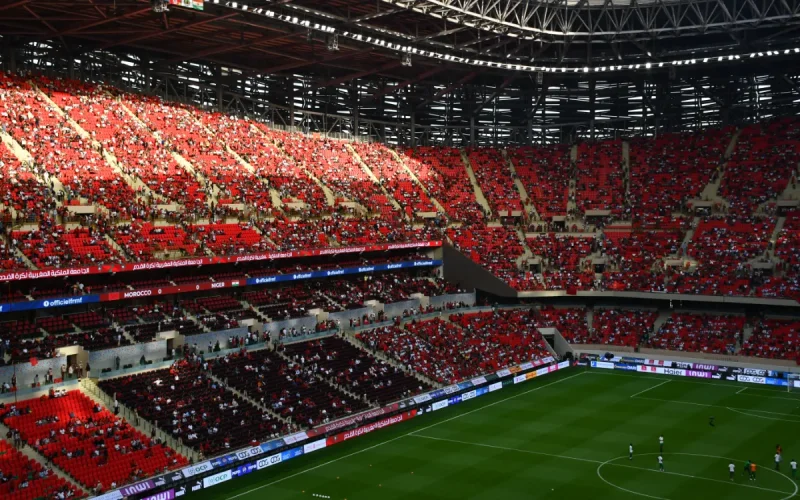
The Moroccan government has officially created five regional public limited companies to manage the 2030 World Cup infrastructure. With combined capital of 100 million dirhams, they will ensure the professional operation of sports complexes in five key cities.
The latest Official Gazette published the decrees, countersigned by the Head of Government and the Minister of Finance, formalizing the creation of entities dedicated to Tanger, Casablanca, Fès, Marrakech and Agadir. Each entity has an allocation of 20 million dirhams to modernize and enhance the value of the local sporting heritage. This organization in the form of public limited companies reflects a desire to professionalize the maintenance of stadiums and multipurpose halls ahead of the global deadline in 2030.
On Bladi.net : The jackpot for Morocco: €1.5 billion collected thanks to the AFCON
The financial structure is based on a broad public partnership. The State, through the Ministry of Finance, is injecting 10 million dirhams into each entity, representing half of the capital. The remainder is provided by the regional councils (4.5 million), the Royal Moroccan Football Federation (3.5 million) and the municipalities concerned (2 million). This participatory funding model aims to involve all territorial stakeholders in successfully upgrading facilities to international standards.
Beyond the technical aspect, these new companies will have to optimize the sites’ economic profitability. Their responsibilities include deploying digital ticketing, managing advertising spaces, and operating commercial and catering areas. By diversifying revenues through hosting cultural events or renting out spaces, the government hopes to ease the burden on the public budget while ensuring the sustainability of the major investments made for the competition.
On Bladi.net : Morocco has won
Finally, these decrees emphasize the social purpose of the infrastructure. Although managed according to commercial performance criteria, the stadiums and local sports grounds will remain open to local clubs, associations and young people. This hybrid approach seeks to reconcile the security and prestige requirements associated with the World Cup with the development of sports participation at the regional level, thereby ensuring a tangible legacy for local communities after the tournament.
Related Articles
-

From 4 to 7 out of 10: Achraf Hakimi divides the French press after Rennes-PSG
24 August 2026
-

Rejected at medical, this Moroccan finds a club nine days later
23 August 2026
-

At 18, Ayyoub Bouaddi is set to become the most expensive Moroccan player in history
23 August 2026
-

Just Back After 430 Days Out, Chadi Riad Is Carried Off on a Stretcher
23 August 2026
-

Achraf Hakimi gave him confidence: Ali Maamar, the Moroccan rising at Anderlecht
23 August 2026