The Moroccan model, Kenya's compass for its Africa Cup
The Kenyan organizing committee for the 2027 Africa Cup of Nations has set next November as the deadline for the completion of its sports infrastructure. Relying on the organizational success of Morocco in 2025, the Kenyan authorities are betting on a rigorous technical and logistical upgrade to meet the requirements of CAF.
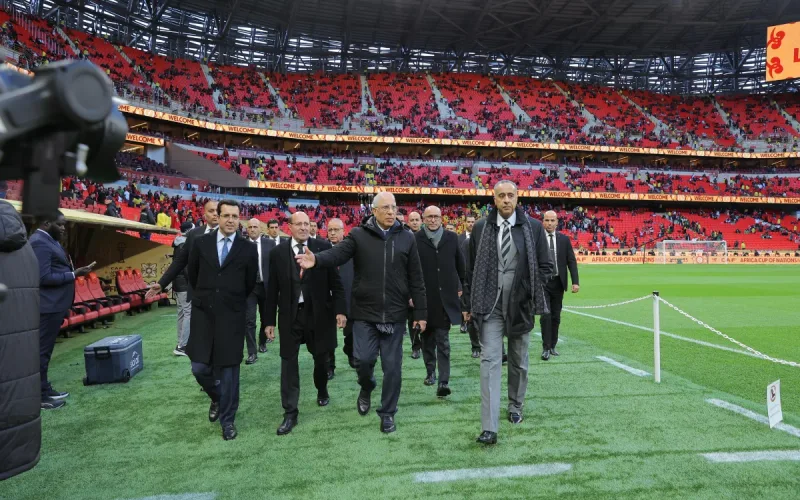
Kenya is shifting into high gear in its preparations for the 36th edition of the Africa Cup of Nations (AFCON), which it will co-host in mid-2027 with Uganda and Tanzania. Nicholas Musonye, president of the Local Organizing Committee (LOC), announced that all sites will have to be operational by November 2026, thus respecting the eight-month grace period imposed by the Confederation of African Football (CAF) before kickoff. This announcement comes as Kenya is embarking this February on an intensive preparation phase aimed at avoiding the delays observed in previous competitions.
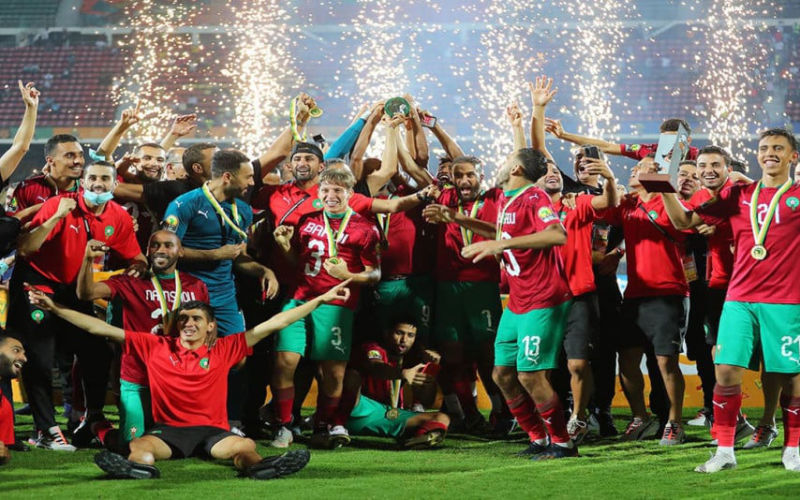
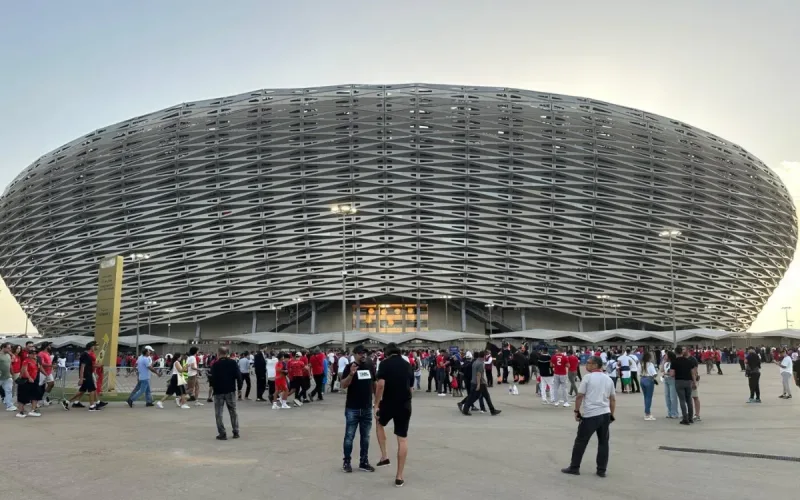
Drawing lessons from the successful organization of the 2025 AFCON by Morocco, the Kenyan committee has identified infrastructure, security, and hospitality as priority areas. During a benchmarking mission in the North African country, Kenyan officials were particularly impressed by the quality of the pitches and the maintenance of the training grounds. As a result, the LOC now recommends the creation of ten to twelve world-class training pitches in the Nairobi area alone, to ensure that each team has dedicated facilities, following the model of what was achieved in Rabat, reports Daily Nation.
On the logistical front, the project includes major transformations for the Talanta Sports City and Kasarani stadiums, as well as the integration of the Nyayo stadium for matches with lower stakes. The committee also recommends the development of rail lines connecting downtown Nairobi to the sports venues to facilitate the transportation of supporters and avoid road congestion. In parallel, a security component provides for the training of 1,000 police officers specialized in crowd management, in order to comply with CAF’s strict protocols and avoid sanctions related to the use of inappropriate tactics.
Financing remains a major challenge, as Kenya, Uganda, and Tanzania will each have to pay $30 million in hosting rights by April 2026. To ensure the success of this joint bid called "Pamoja," the three countries plan to set up a single steering committee this month. Its mission will be to unify the marketing strategy, coordinate tax exemptions, and finalize a joint visa system, aiming to offer supporters a tournament reflecting the authenticity and hospitality of East Africa.