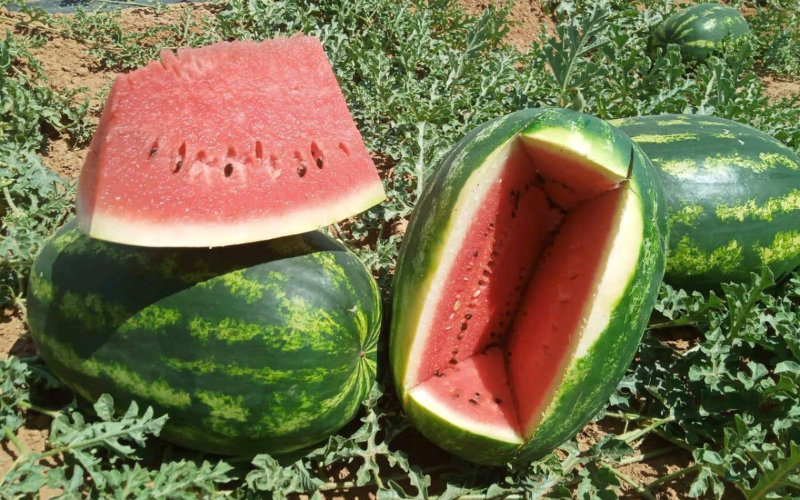
Morocco: watermelon fields destroyed
The intervention of the authorities in the province of Tata to destroy watermelon plantations marks a new stage in the implementation of the ban on crops deemed too water-intensive. This measure, motivated by a critical water situation, is accompanied by growing calls to support farmers in moving towards alternative production models.

The province of Tata is going through an unprecedented crisis marked by several consecutive years of drought. According to the president of the provincial office of the Moroccan Center for Human Rights in Tata, drinking water resources are now rationed to a few hours a day in several localities. This environmental degradation has led to a sharp decline in the local population, which has dropped from 124,000 to 111,000 inhabitants between the last two censuses, illustrating a phenomenon of forced migration due to the drying up of the oases.
In statements collected by Hespress, experts point out that the recent rainfall should not obscure the reality on the ground. The coordinator of the Moroccan Coalition for Climate and Sustainable Development specifies that the filling rate of the dams does not exceed 50% and that the desert areas, which represent 65% of the national territory, depend almost exclusively on groundwater tables whose renewal takes millennia. Since the agricultural sector consumes between 85% and 90% of the available resources, strict control of the exploitation of groundwater is considered essential.
The implementation of the prefectural decision to ban the cultivation of watermelon is considered by civil society actors as a necessity to ensure the sustainability of vital resources. However, they insist on the importance of financial and technical support for farmers to facilitate the transition to crops that respect the oasis ecosystem. The objective is to substitute for water-exporting products crops that are less demanding, in order to guarantee the social stability of rural families.