Morocco: the watermelon war is raging
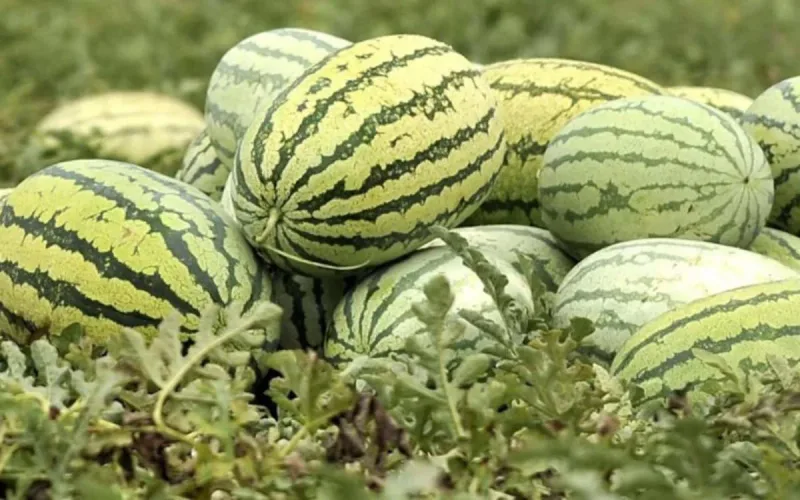
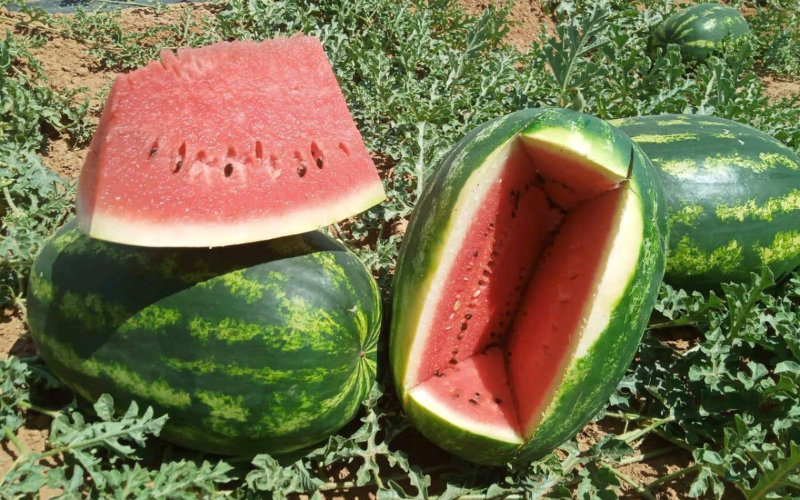
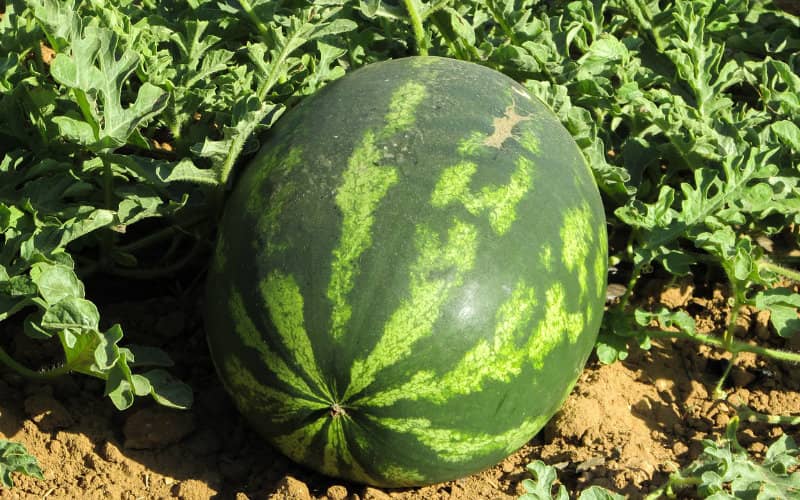
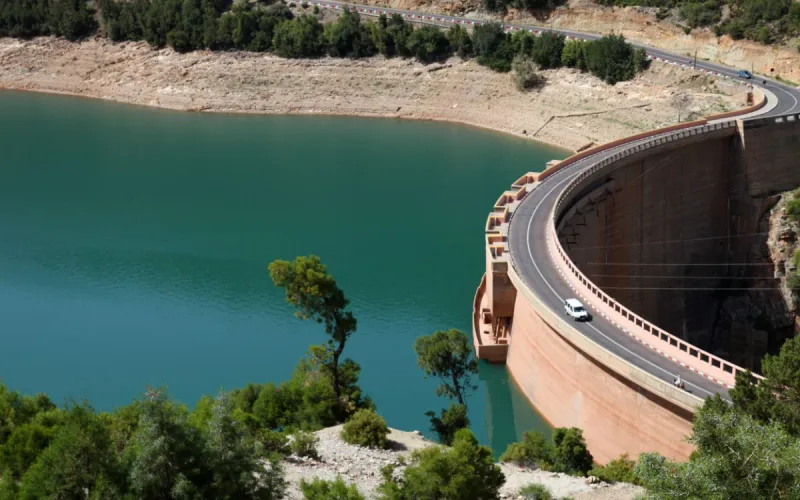
This is a power struggle that is playing out against a backdrop of critical water stress. In the province of Tata, the ban on growing watermelons is deeply divisive. On one side, farmers who cry out against economic persecution; on the other, civil society applauding a survival measure to save the groundwater.
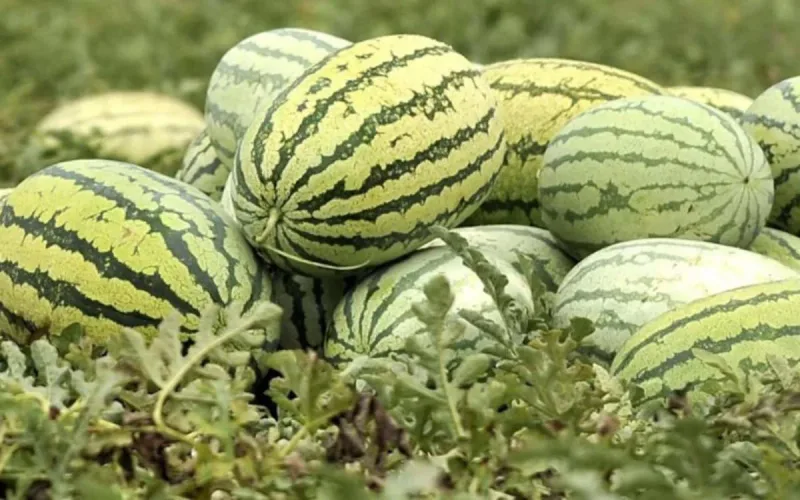
The "water war" has found its new front. While the authorities have tightened the screws by banning the cultivation of water-hungry fruits, anger is brewing among farmers. A collective from the Tata region has taken the lead, denouncing a "systematic harassment" by the regional authorities.
For these professionals, the argument of drought would only be a "fallacious pretext" not based on any reliable technical data. They point to a territorial injustice, surprised that their neighbors in Taroudant, Tiznit or Assa do not suffer the same fate, even though the climatic conditions there are comparable.
Faced with this outcry, defenders of the environment and human rights are rallying behind the prefectural decision. For them, the equation is simple: there is no longer enough water for everyone.
Recent studies by the Water Basin Agency confirm that reserves are barely sufficient to guarantee drinking water to the inhabitants and maintain subsistence agriculture. "The climatic and water situation does not allow for intensive agriculture such as watermelon cultivation," says the president of a local association. He assures that he is not "against the farmers", but is defending a "sustainable exploitation" to avoid disaster.
The assessment is shared by the Moroccan Center for Human Rights. The head of the regional office warns of the risk of total drying up. According to him, the intensive cultivation of watermelons threatens to make the oases disappear over a stretch of 450 kilometers.
"This would lead to the destruction of this system that allows populations to remain on their land," he warns. Between the immediate profitability of the red gold (watermelon) and the long-term survival of the oasis populations, the gap now seems impassable.