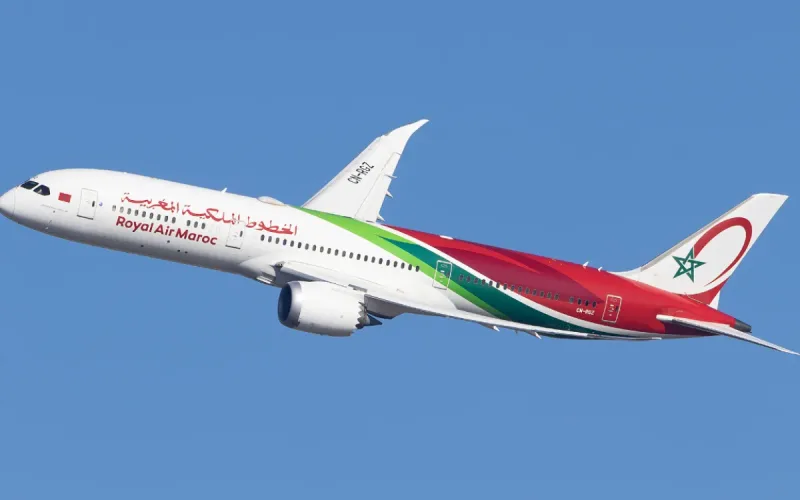
Morocco vs Turkey: Who Will Win the Global Medical Tourism War?
Medical tourism is establishing itself as a strategic global industry. While Turkey dominates this sector with formidable organization, Morocco is accelerating its transformation to become an essential destination, despite a healthcare system still operating on two speeds.
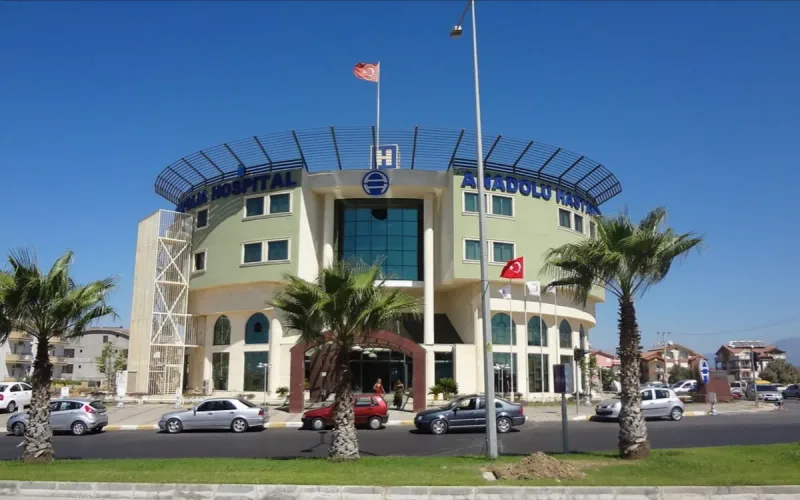
With 1.5 million foreign patients annually and billions of dollars in revenue, Turkey stands as the reference point. According to Challenge magazine, this success stems from a state strategy launched in 2003, combining democratization of local care and development of massive infrastructure. Large hospital complexes now guarantee international standards.
On Bladi.net : Morocco, the "Safe Haven" of tourism: Why travelers are fleeing Dubai for Marrakech
The strength of this Turkish model lies in its turnkey approach combining diagnosis, intervention, and budget-friendly tourist accommodation. The very large volume of patients allows for standardization of complex interventions. This is notably the case for deep brain stimulation against Parkinson’s disease, perfectly mastered in these integrated care pathways.
In contrast, Morocco appears as an emerging player with 500,000 foreign patients annually, primarily from sub-Saharan Africa. The Kingdom typically offers two-week stays, comprising four days in clinic and ten days in a hotel for post-operative follow-up. However, the country still lacks a truly comprehensive exportable offering including logistics to compete on a global scale.
To catch up, Rabat relies on framework law 06-22 which liberalizes the sector and encourages private actors, like the Akdital group. This rapid expansion contrasts sharply with a public sector in great difficulty, hampered by lack of personnel and infrastructure. This duality inevitably creates unequally distributed access to care.
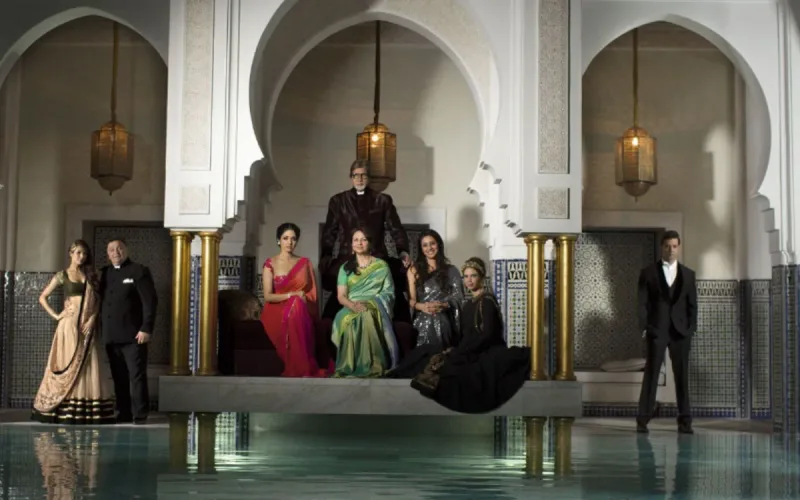
On Bladi.net : Morocco pulls out all the stops to seduce Bollywood stars
Neither country is exempt from challenges ahead. Turkey faces mounting pressure on its healthcare workers and questions the financial viability of its system. For its part, Morocco must preserve the balance of its public structures while betting on a future premium positioning, based on hospitality and personalized care.