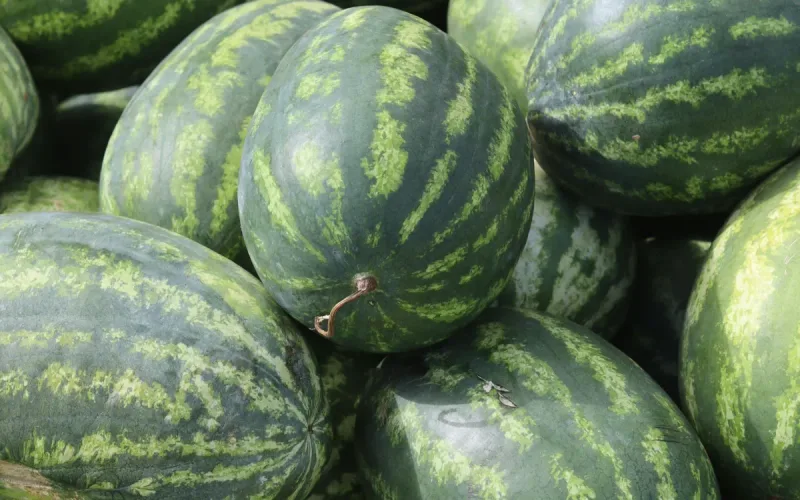
Morocco supplies 42% of the EU’s imported watermelons as Spanish growers warn of price pressure
Morocco remains the European Union’s leading external supplier of watermelons. Between January and June 2026, the 27 member states imported 148,950 tonnes from the kingdom, 14% more than in the first half of 2025.
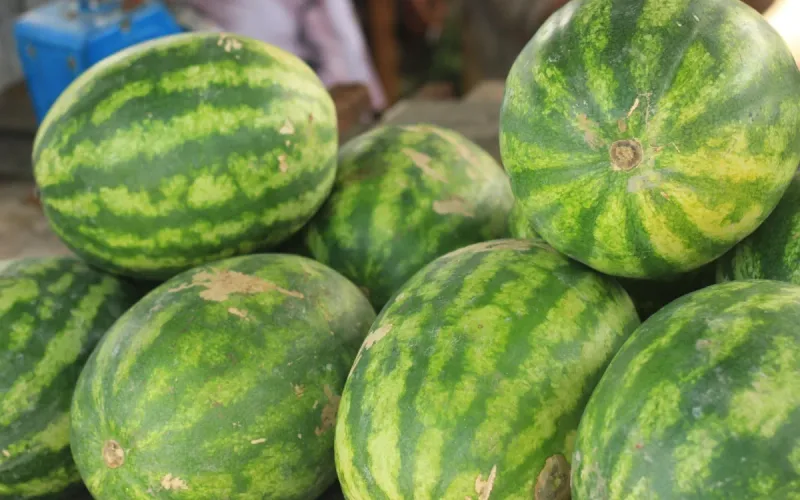
These volumes account for around 42.4% of European imports from non-EU countries. In total, these purchases reached 351,672 tonnes in the first six months of the year, according to Eurostat data cited by Spain’s Ministry of Agriculture and reported by EFE Agro.
On Bladi.net : Moroccan watermelon accused of driving prices down to 24 cents in Spain
By weight, Morocco thus supplies more than four-tenths of the watermelons the European Union buys from external suppliers. This ranking covers trade with non-EU countries, separate from sales between member states, which include produce from Spain, Italy and Greece.
This distinction explains why the kingdom can lead extra-EU supplies while being overtaken by a Spanish region over a different period. Between January and May 2026, Almería had sold more watermelons in the European Union than Morocco, according to data published by Hortoinfo.
Volumes rise, but prices come under pressure
The increase in Moroccan sales is accompanied by tensions in the Spanish market. Speaking to EFE Agro, Andrés Góngora, secretary-general of agricultural organization COAG, accuses imports of contributing to market saturation and lowering the prices paid to producers.
Figures from Spain’s Ministry of Agriculture illustrate the decline: between August 17 and 23, the average farm-gate price of watermelon was 24.1 euros per 100 kilos, or about 24 cents per kilo.
Moroccan exporters have also struggled to sell some shipments. In early July, some operators suspended their shipments, saying that prices in Europe no longer covered transport costs amid abundant Mediterranean harvests.
On Bladi.net : Morocco watermelon exports decline against Spanish competition 2026
Morocco was not the only external supplier to increase sales in the first half of the year. Watermelon volumes from Brazil rose 39.4% year on year, while those from Senegal increased 24.9%, according to figures cited by EFE Agro.
For Spanish producers, the timing of deliveries matters as much as their volume. José Cánovas, head of the melon and watermelon sector at Proexport, explains that imports can weigh on sales when they arrive during Spain’s growing season. A shipment arriving after local harvests have ended does not exert the same pressure.