Morocco (strongly) tightens the rules for two-wheelers
Faced with the explosion of accidents involving two-wheelers, the Moroccan government is deploying a 2025-2030 roadmap that is a complete break from traditional methods. On the program: full dematerialization of procedures as early as 2026, introduction of technical inspections for motorcycles, and tougher crackdown on risky behavior.
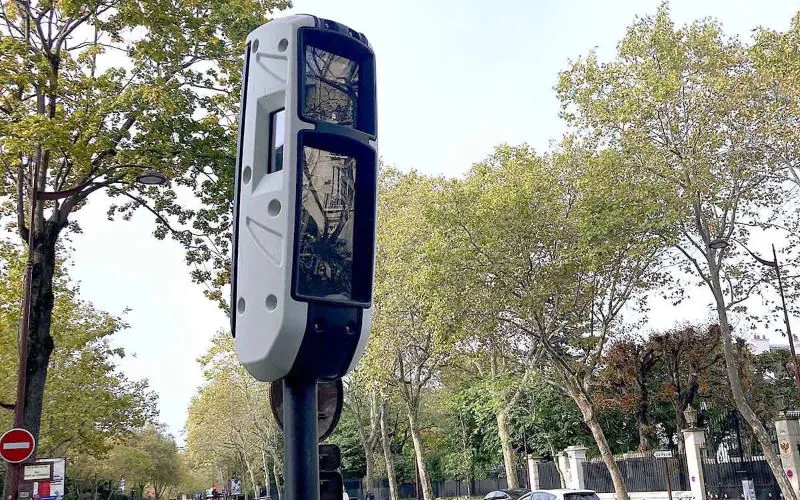
The purely preventive approach is giving way to regulation through data and targeted sanctions. The government is enacting the end of the paper era: reports, administrative exchanges, and payment of fines will shift to an integrated digital system. This digitalization aims to make statistics more reliable, cross-reference files in real time, and generalize electronic payment for more transparency, while blocking administrative procedures (vehicle sale, sticker) for offenders in arrears.
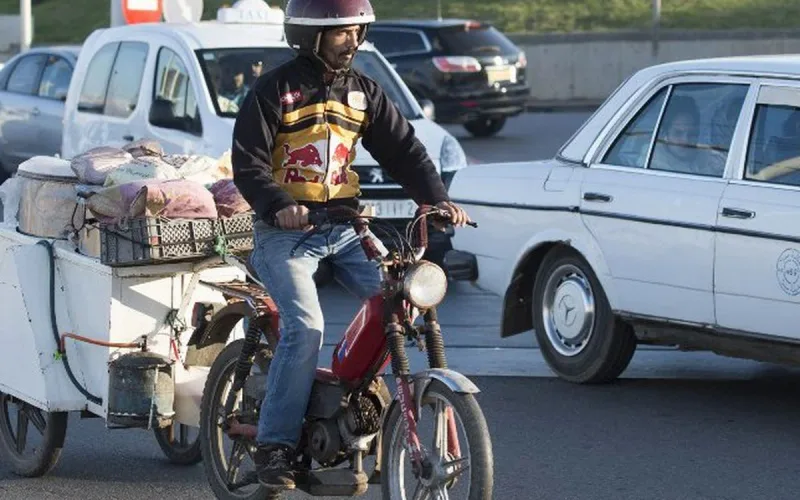
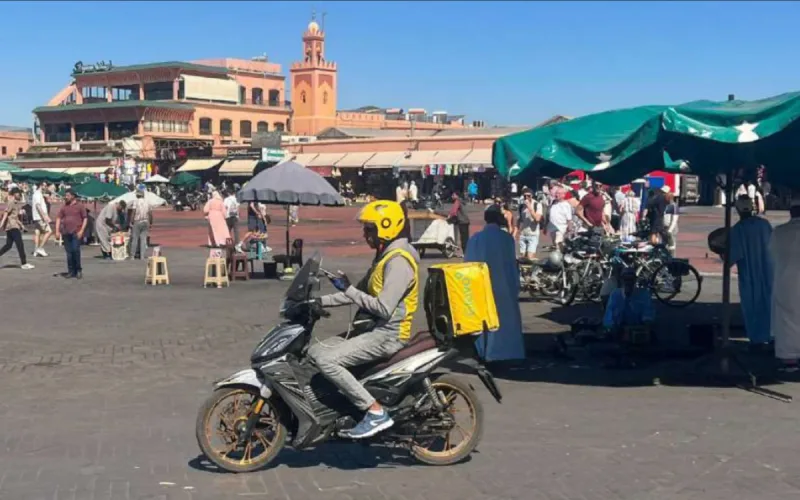
At the heart of this strategy, motorized two-wheelers are subject to an unprecedented tightening. Identified as the black spot of road safety with more than 552,000 offenses recorded in 2024, they will now be subject to mandatory periodic technical inspections. The authorities also announce zero tolerance and harsher penalties against illegal technical modifications of vehicles, a widespread practice that increases the dangerousness of a fleet in full expansion due to the delivery boom.
Beyond repression, the State is tackling infrastructure and emergency services. A program to address black spots is being launched, now including urban roads, like the 215 million dirhams invested in Marrakech-Safi. The "Secure Bus" plan aims to rejuvenate the public transport fleet to under ten years by 2026.
Finally, the health response is being strengthened to optimize the care of victims during the critical hour following the accident. This involves training 2,800 health professionals and modernizing the 141 emergency number. Aware that awareness-raising alone has shown its limits (estimated impact of 8%), the executive is betting on a cross-cutting governance involving around fifteen institutions to curb the road carnage.