Morocco’s Porous Roads Could Help Prevent Aquaplaning
In Marrakech and Agadir, a porous road surface is drawing attention for its ability to drain rainwater. Highlighted by the Spanish press, the solution could reduce puddles, improve vehicle traction and lower the risk of aquaplaning.
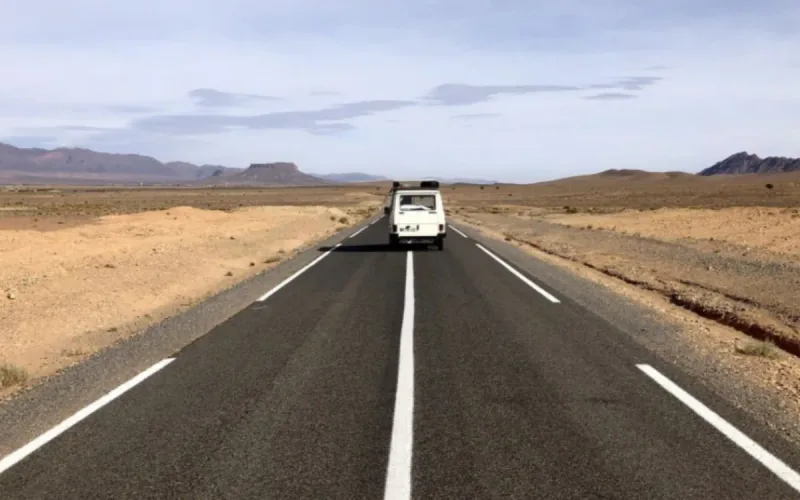
Less water on the road means less risk of losing control of a vehicle. Spanish daily La Razón highlights the benefits of a porous road surface introduced, according to the newspaper, in Marrakech and Agadir. Unlike conventional asphalt, its surface has tiny openings that allow rainwater to drain into the layers below.
On Bladi.net : Morocco Permeable Pavements Heat Wave Cities
The process reduces the thickness of the film of water that forms beneath tires. This buildup can cause aquaplaning, when wheels lose contact with the road. Porous surfaces also help drain water during heavy downpours and limit spray that obstructs drivers’ visibility.
A surface that also absorbs noise
Another advantage: some porous mixtures reduce the noise produced by tires coming into contact with the road. They also help limit puddles and runoff in urban areas, while helping to cool surfaces.
On Bladi.net : Morocco’s New Road Safety Plan Targets Motorcyclists
However, the technology presents a particular challenge in Morocco: sand and dust can gradually clog the pores in the road surface, reducing its drainage capacity. Appropriate cleaning is needed to maintain its effectiveness.